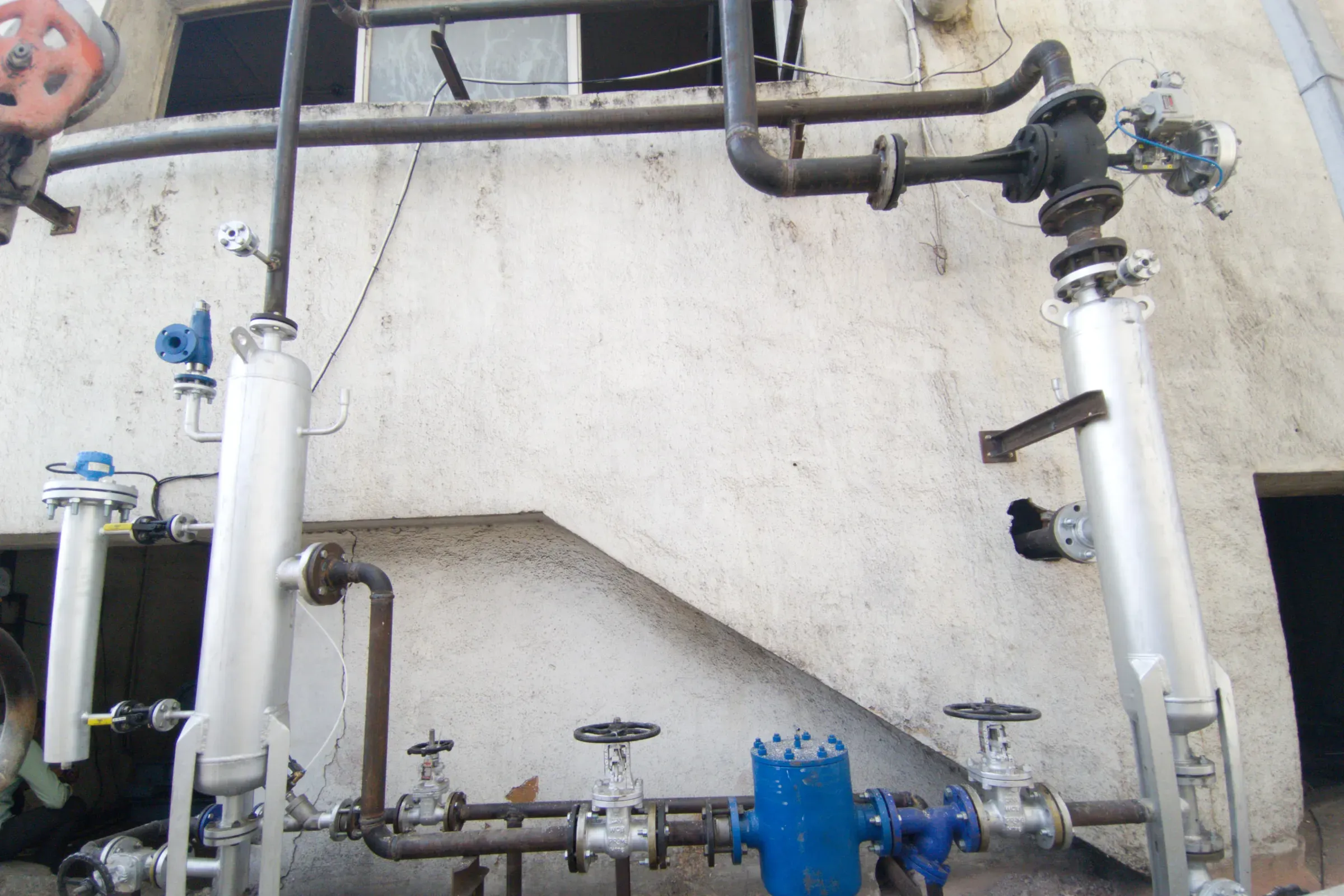
The Oversized Jet That Vented: Size a Steam Ejector on the Load You Measure
A food plant's steam ejector was two sizes too big, and its suction-side safety valve never closed. Why an oversized jet vents, and why a variable nozzle cannot rescue a wrong load.
On this page
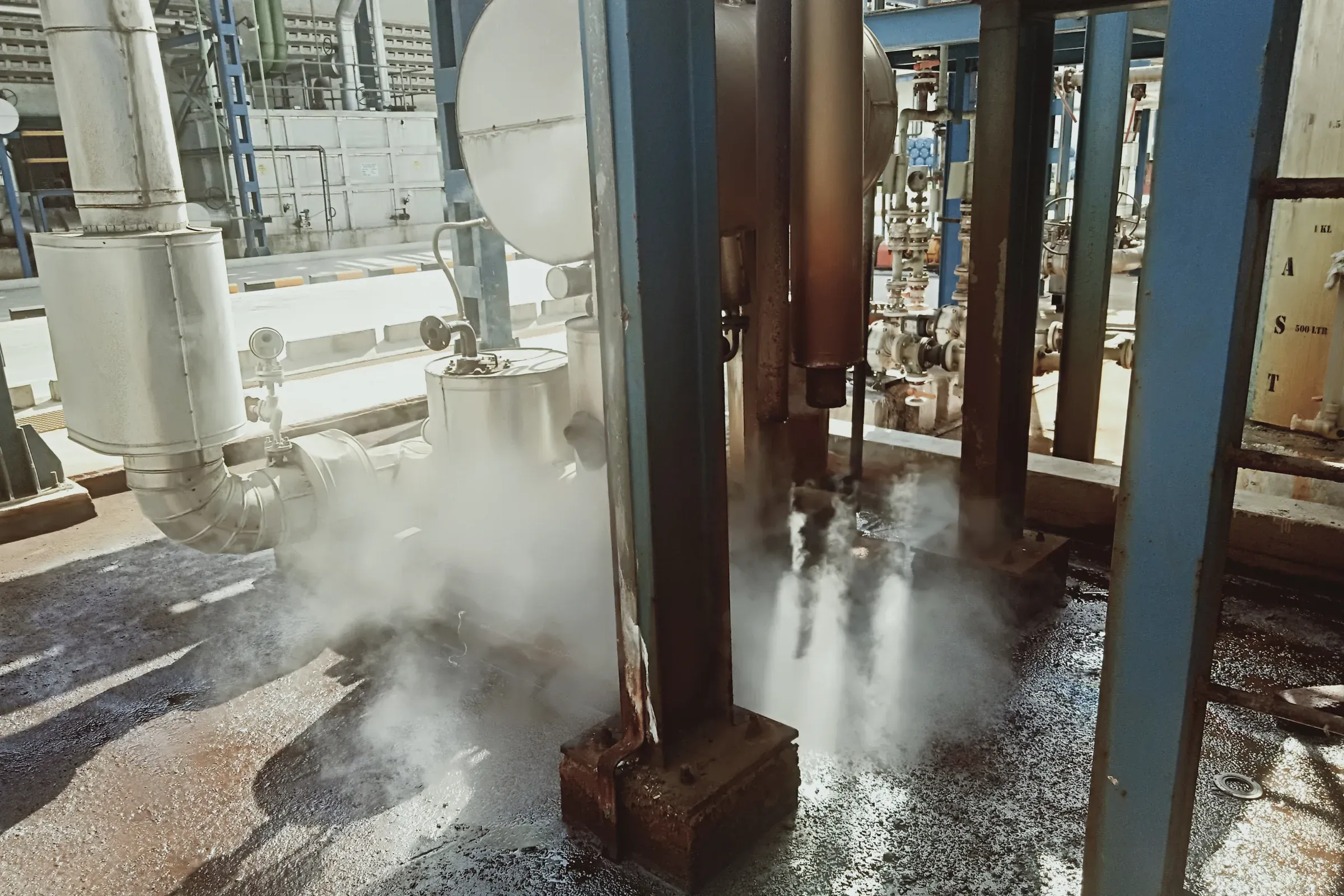
A food and beverage plant in Spain was losing a large share of its steam through a safety valve that never closed. The valve sat on the suction side of a steam ejector that was two sizes too big for the load it actually carried.
The case is a Baelz reference, and the figures below are the case’s own. The full case study is here. This post is about the lesson inside it: an ejector is sized on the load you measure, and a variable nozzle does not excuse getting that load wrong.
What the plant had
- A DN150, PN40 steam ejector (the case does not say who made it) whose suction-side safety valve stood constantly open, venting steam to atmosphere.
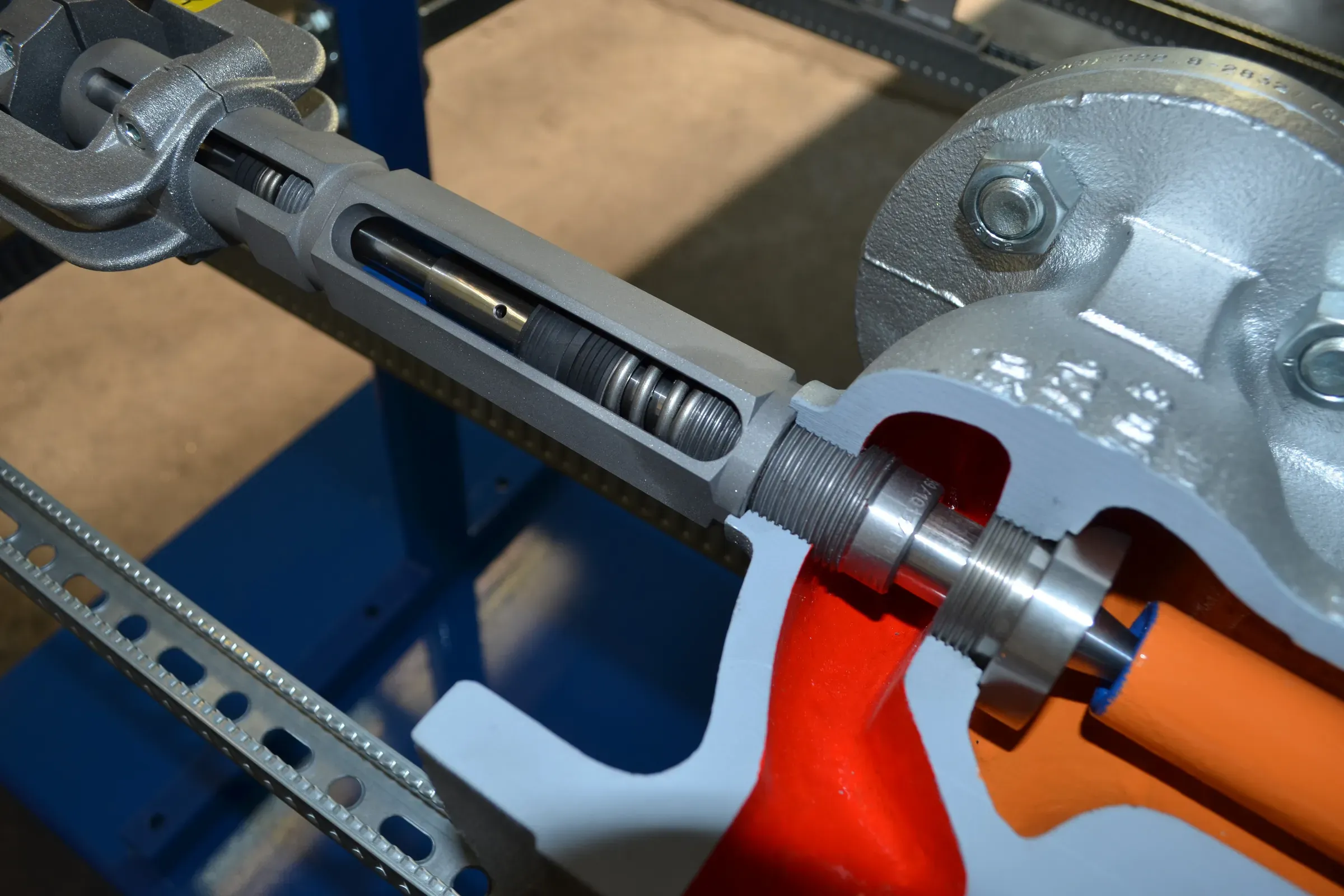
- An actuator mismatch: the installed stroke was 22 mm against the 44 mm the spindle needed, so the nozzle could only travel half its range.
- Baseline figures of 5,500 kg/h of motive steam at 16 bar a, 1,400 kg/h of suction at 1.1 bar a, and 6,900 kg/h delivered at 3.5 bar a.
What changed
A fresh survey measured the plant’s current parameters, and a full recalculation followed. Its verdict: the jet was oversized. The replacement was a Baelz 590 vapour ejector in compression, DN100, two sizes down, matched to the loads measured: about 3.2 t/h at 2.5 bar g, about 8 t/h at 11 bar g, and re-evaporation at about 0.8 bar g. The actuator stroke was corrected at the same time.
The chronic venting stopped. About 1,240 kg/h of steam is now recovered instead of dumped, 29.76 t a day, and the saving was calculated at Rs 15.6 lakh a month (Rs 1.87 crore a year).
Why a jet that is too big vents
An ejector is a nozzle, a mixing section and a diffuser, drawn together for one flow and one compression. The body, meaning the mixing section and the diffuser, sets how much steam the jet can push up to the discharge pressure.
Put too little steam through a body that is too big, and the jet cannot build the compression it was drawn for. It no longer pulls the suction side down. The pressure there rises, and the steam leaves by the easiest door, which on this plant was the suction-side safety valve. An actuator that could move the spindle only half its travel made the jet harder still to bring back on duty.
Nothing was broken in the usual sense. The jet simply did not match the plant.
A variable nozzle covers the swing, not a wrong load
A variable nozzle is the right answer to a load that moves. It trims the motive steam to the suction flow and holds the discharge pressure as the plant speeds up and slows down; the post on controllable versus fixed ejectors sets out why.
But the nozzle works inside its body. It cannot turn a DN150 body into a DN100 one. The Spanish plant was not fixed by a cleverer nozzle on the old jet; it was fixed by a smaller body drawn for the measured loads, with an actuator that could reach its full stroke. Right-size the body first, then let the nozzle handle the swing.
Where oversized loads come from
Most oversizing starts on paper, with a figure that was calculated or copied rather than measured. The same pattern turns up in condensate and flash equipment:
- In one audit, flash was calculated at 168 kg/h and measured at 60–100 kg/h. The separator was sized on the measured 60 kg/h, and the saving taken on it.
- One dryer’s condensate system was designed for 1,000 kg/h at 3–5 bar g. A later audit found it running at about 300 kg/h at 1 bar g, with negligible flash.
- One condensate system was sized for 600 kg/h against 150 kg/h measured.
None of these was an ejector, but each is a load written larger than the plant ran. Feed a number like that into an ejector sizing and you get the Spanish jet.
Size on what the plant does
- Measure the suction flow and pressure over a period that includes your lowest and highest running, not one good shift.
- Read the motive pressure at the jet inlet, across the day, not at the boiler.
- Fix the discharge pressure the user really needs.
- Size the body on the measured maximum and make sure the nozzle reaches the measured minimum.
If a jet is already installed, the warning signs are those the case lists: safety valves lifting, unstable pressures and steady venting. Check its sizing, its actuator stroke and its control logic before blaming the steam. The same habit of measuring before trusting a number runs through how to check a steam-saving proposal, and the lesson on fixed and variable nozzles covers the jet itself.
What we need from you
- Suction flow and pressure, measured at your lowest and highest load.
- Motive steam pressure at the jet inlet, with its daily range.
- The discharge pressure to hold, and what uses that steam.
- For an existing jet: its size, nozzle and actuator stroke.
- How often the safety valve or vent lifts today.
FAQ
How do I know if my ejector is oversized?
Look for a safety valve or vent on the suction side that lifts often, a discharge pressure that will not settle, and an actuator that sits near one end of its stroke. Then compare the jet's design duty with flows and pressures measured on the plant today.
Can a variable nozzle make up for an oversized ejector?
Only within the range its body was drawn for. The nozzle trims the motive steam to the load; it cannot shrink a body sized for a load the plant never runs. The plant in Spain fixed its jet by going two sizes smaller.
Should I size on the minimum or the maximum load?
On both, measured. The body has to pass the measured maximum, and the nozzle has to reach down to the measured minimum. A theoretical or nameplate figure is where oversizing starts.