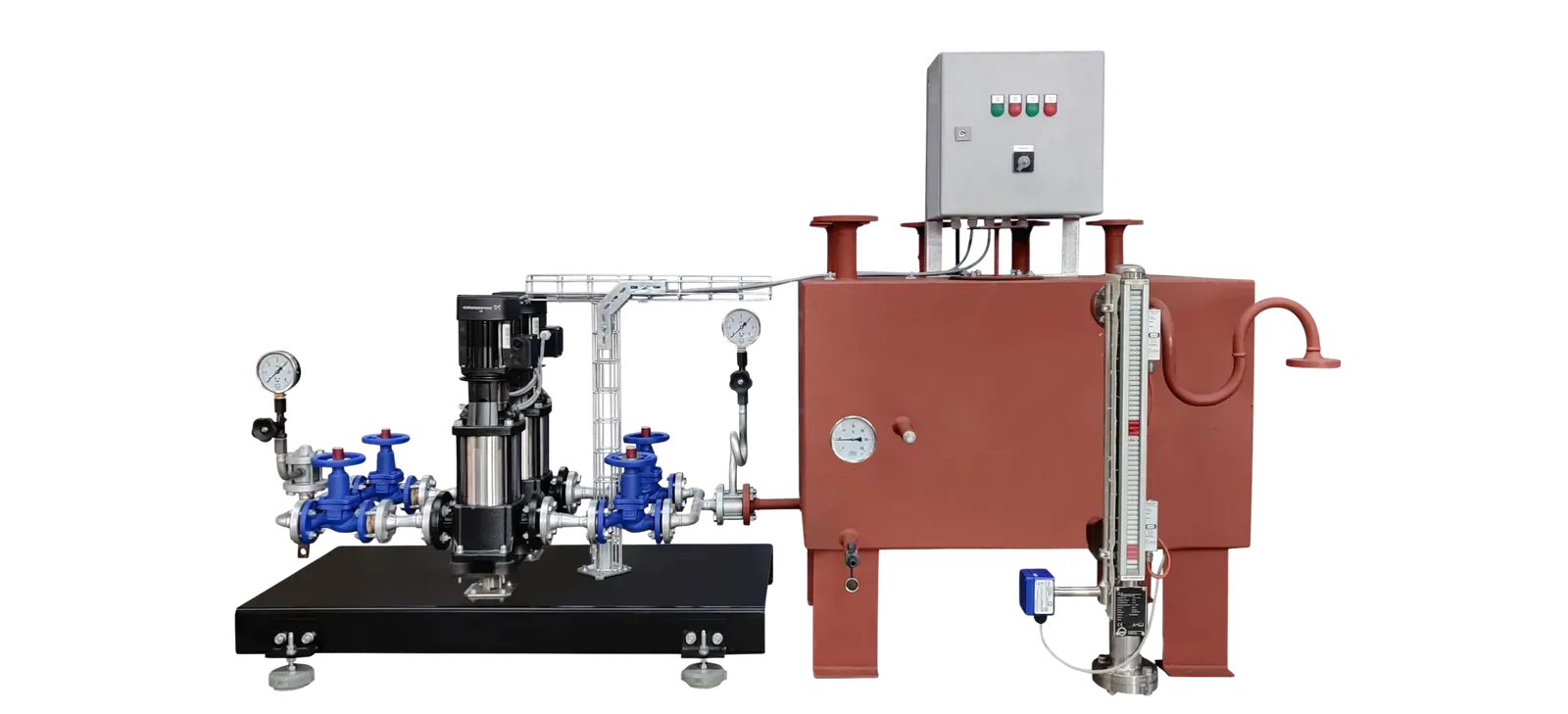
Condensate recovery system with Jetomat

A trio for energy savings: optimise, recompress, recover. Flash steam and hot condensate go back into your process and boiler instead of out of the vent.

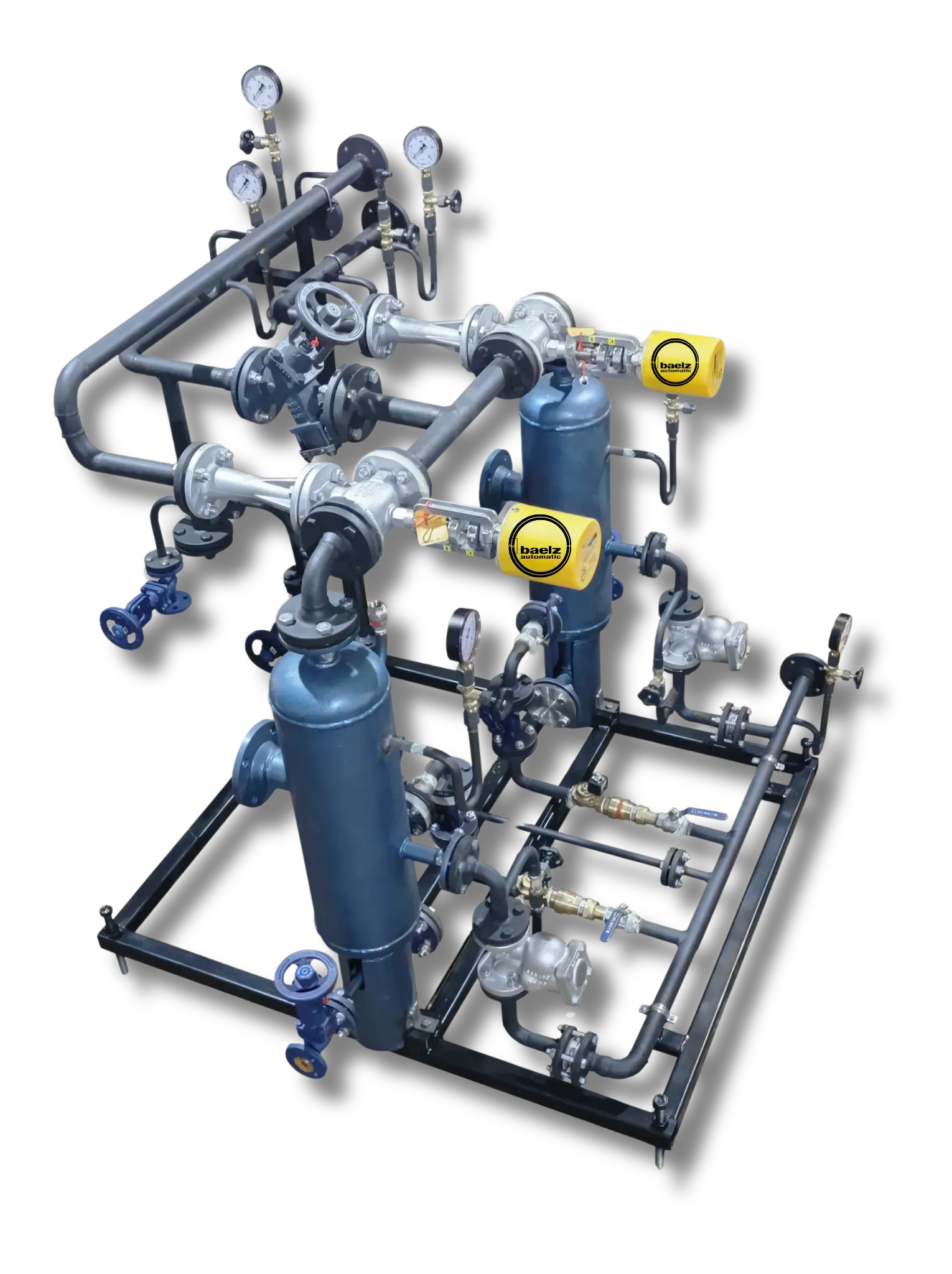
Skid-mounted condensate recovery pump unit with twin vessels, valves and piping
Pictured: Baelz, Germany
  • 30%Lower energy use (up to)
  • 110–145 °CCondensate returned to feedwater
  • 422 kg/hFlash steam recovered at a chemical plant

Exploded view

The flash separator, taken apart

Flash steam is as good as live steam. The flash steam separator generates dry, high-quality flash steam from hot condensate.

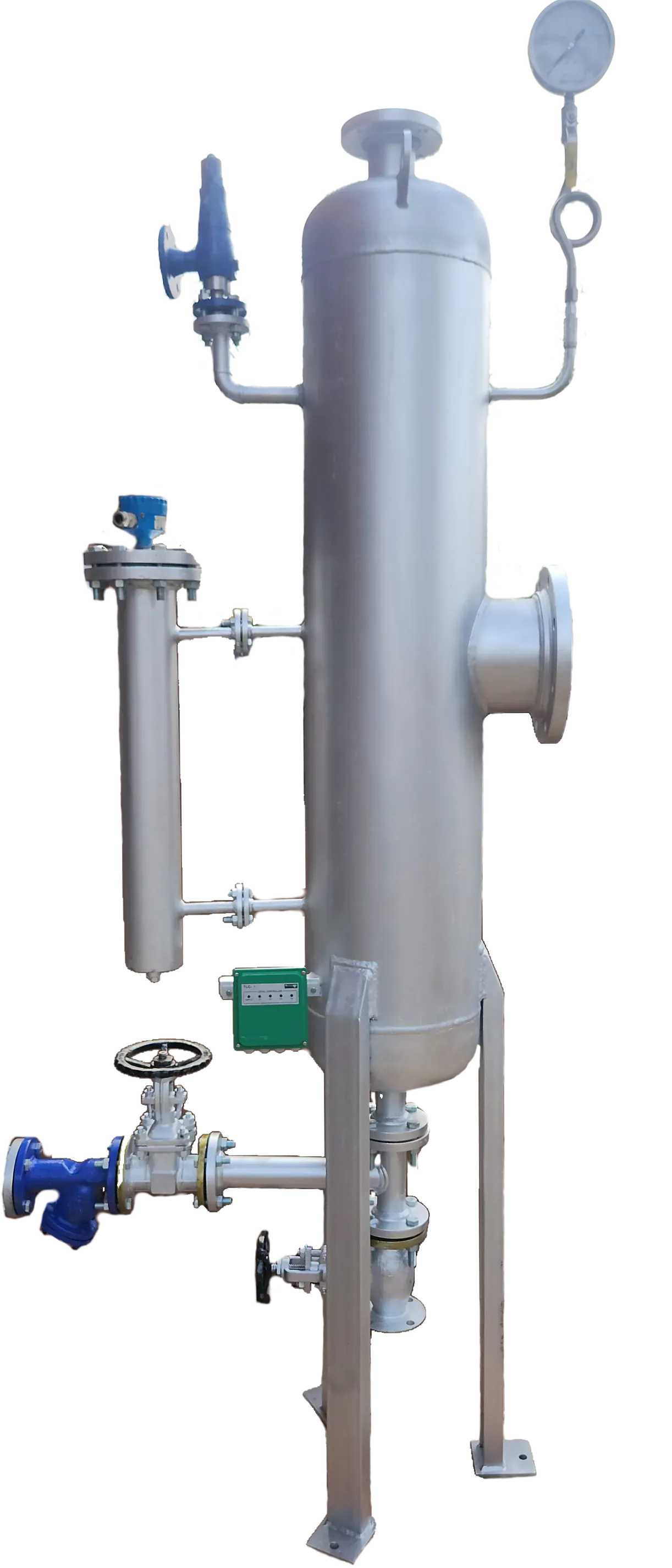
Flash steam separator vessel with pressure gauge, safety valve and bottom drain
  • Condensate
  • Flash steam
Illustration, traced from the photograph.
  1. Flash steam outlet The lighter flash steam rises to the top of the separator, providing dry, high-quality steam.
  2. Safety valve Protects the vessel against overpressure.
  3. Pressure gauge Shows the pressure inside the vessel.
  4. Flash vessel The steam–condensate mixture slows down in the wide vessel, letting dry flash steam rise above.
  5. Condensate inlet Flash steam is separated from two-phase high-pressure condensate when its pressure is reduced.
  6. Level column Carries the level transmitter that reads the condensate level.
  7. Level controller Holds the condensate level by working the drain.
  8. Condensate drain Settled condensate is drained from the bottom of the separator through a control valve or steam trap.
Skip to the zero-loss steam network

Zero-loss steam network

What is integrated condensate management?

Integrating a variable-nozzle thermocompressor (Jetomat), a flash steam separator and a closed-loop high-pressure condensate recovery system gives you a zero-loss steam network.

The flash steam separator generates dry, high-quality flash steam from hot condensate. The Jetomat recompresses it with high-pressure motive steam, boosting it for reuse and reducing the need for live steam generation.

The SteamCon system then recovers hot condensate at 110–145 °C (custom designs for higher temperatures) and returns it to the boiler feedwater tank — eliminating vent steam losses for maximum fuel and cost savings.

Illustration, traced from our loop schematic. PRS: pressure reducing station.

How it works

Three components, one closed loop

The flash separator, Jetomat and SteamCon condensate recovery pump together form an efficient closed-loop solution for steam recovery and condensate management.

  1. Flash separator

    Separates dry, high-quality flash steam from hot two-phase condensate when its pressure is reduced.

  2. Jetomat

    Recompresses the flash steam with high-pressure motive steam, boosting it for reuse instead of generating live steam.

  3. SteamCon

    Pumps the remaining hot condensate back to the boiler feedwater tank at 110–145 °C, eliminating vent steam losses.

Component 1

Flash separator

Flash steam is as good as live steam.

Skip to the Jetomat
  1. Separates flash steam from condensate

    Flash steam separates from the condensate when its pressure drops.

  2. Larger diameter for drier steam

    In the wide vessel the mixture slows, and dry flash steam rises above.

  3. Condensate settling

    The slower flow lets the heavier condensate settle at the bottom.

  4. Condensate drainage

    Settled condensate drains out through a control valve or steam trap.

  5. Flash steam rises

    The lighter flash steam rises to the top: dry, high-quality steam.

  6. Ideal for low-pressure use

    It feeds a thermocompressor, or low-pressure duties such as feedwater preheating.

Illustration, traced from the photograph.

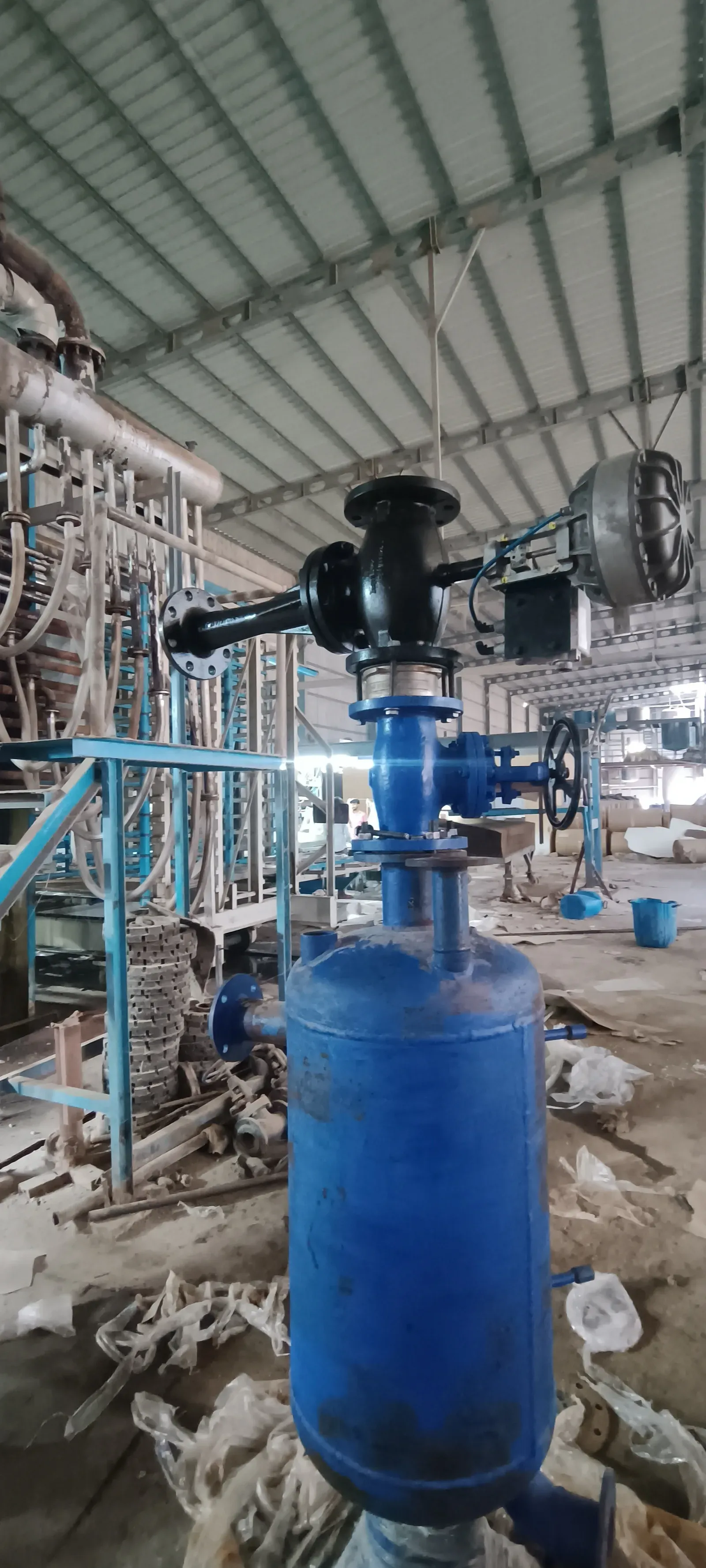
Jetomat thermocompressor with actuator installed on a flash vessel

Component 2

Jetomat thermocompressor

The Jetomat boosts recovered flash steam with high-pressure motive steam so it can be reused in the process.

  1. Suction

    Low-pressure steam is drawn into the Jetomat by the high-velocity jet of motive steam.

  2. Mixing

    The low-pressure steam mixes with the high-pressure steam in the diffuser, where kinetic energy is transferred.

  3. Compression

    The mixed steam is compressed to a higher pressure and temperature, suitable for reuse.

  4. Variable nozzle

    The nozzle adjusts steam flow rate and pressure dynamically, keeping performance and efficiency up as process conditions vary.

More about the Jetomat thermocompressor
SteamCon condensate recovery pump unit with receiver vessel, pumps and control panel

Component 3

SteamCon condensate recovery pump

SteamCon uses steam, compressed air or an electric pump as its motive force to pump condensate. The motive force is selected based on site conditions and operating cost.

  1. Fill

    The pump fills with condensate by gravity until a level switch senses it is full.

  2. Pressurise

    The controller introduces motive steam to pressurise the full vessel.

  3. Discharge

    The pressurised vessel pumps the condensate out, and the motive steam is released back to the flash vessel for reuse in the process.

  4. Repeat

    The cycle repeats continuously with minimal steam or electricity consumption.

Here is the physics, if you want it.

The engineering behind this: Condensate recovery and Flash & condensate recovery schemes in our free i-Kcal Thermal Academy.

Advantages

Why choose integrated condensate recovery?

ItemBenefitDescription
01Maximum energy recoveryRecovers flash steam and recompresses it for reuse, minimising fresh steam generation and reducing energy consumption by up to 30%.
02Flash steam and condensate reusedReuses both flash steam and high-pressure condensate.
03Fail-safe operationAll critical components are redundant — one working, one standby — with smart auto-switch controllers.
04Measured returnsCustom designed for each application, with monitoring of operating and savings parameters.

Case studies

Related case studies

  1. Chemical · UPL, Bharuch, India

    Award winner, CII Energy Awards 2019

    UPL Ltd.’s project won CII’s ‘Most Innovative Project Implemented’ award (General Category) at the CII Energy Awards 2019, the 20th National Award for Excellence in Energy Management, Hyderabad. i-Kcal supplied and commissioned the variable-nozzle Jetomat thermocompressor that recovers waste flash steam to generate 3.5 bar steam.

    422 kg/hsteam saved45 lakh/yrsavingunder 8 monthspayback on UPL’s Rs 28 lakh total investment
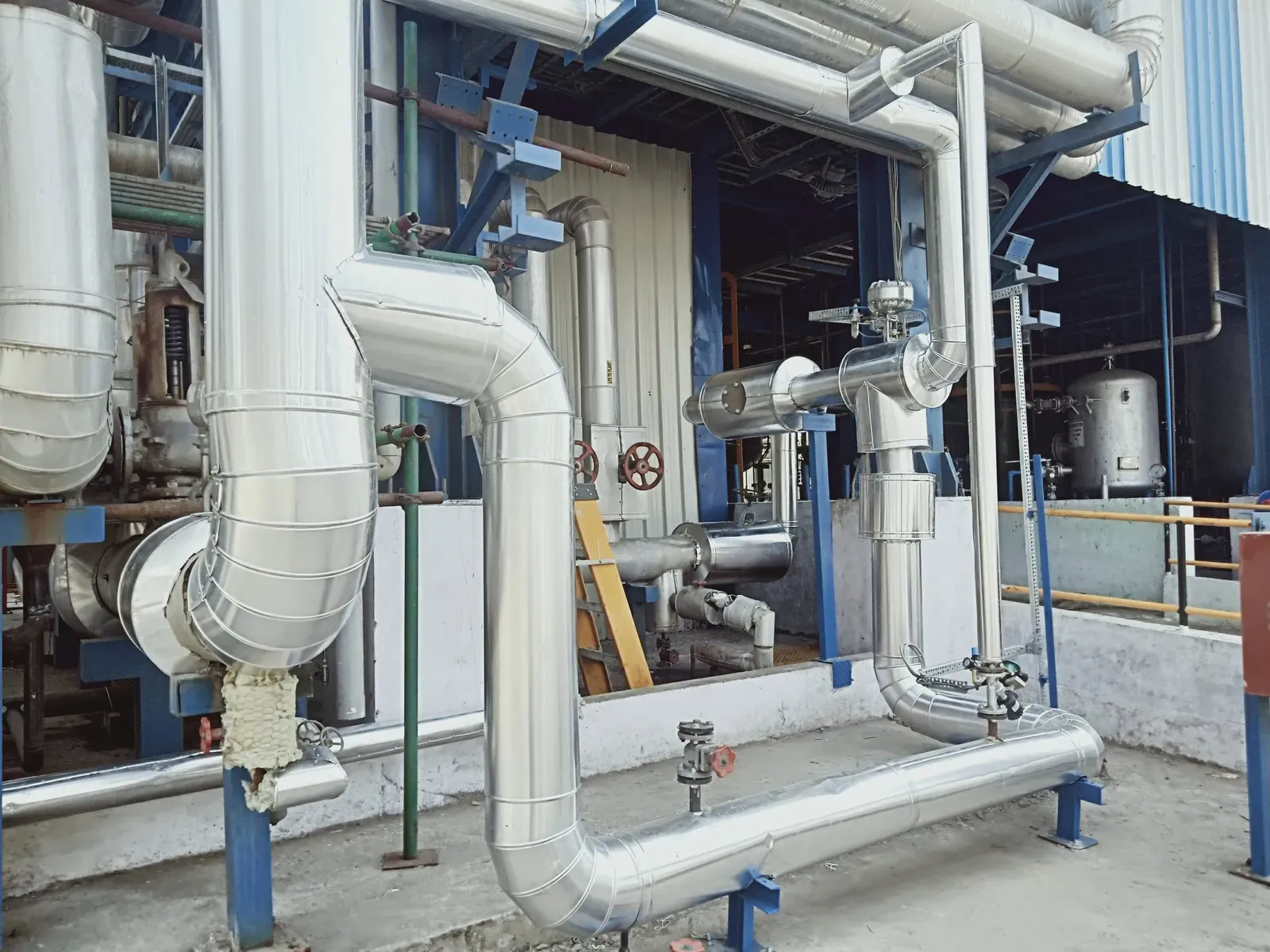
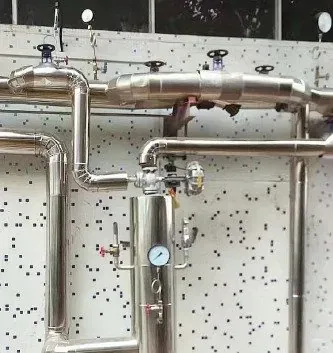
    Insulated steam pipework of the Jetomat installation at UPL, Bharuch
    Read the case study
  2. Textile · design example

    Vent steam back to work: a design example

    In this design example, low-pressure steam (2 barg) from process equipment is vented to atmosphere. A controlled steam thermocompressor takes 2 barg suction steam and uses 8 barg motive steam to recompress the mixture and regulate it to 3 barg, directly supplying the consumers.

    2 to 3 bargrecompressed for reuse0direct exhaust steam
    Read the case study

FAQ

Condensate recovery questions

Is a condensate recovery system the same as a condensate return system?

Yes. Both names mean collecting hot condensate and flash steam from the process and sending them back, instead of losing them to the vent or the drain. Ours adds a variable-nozzle Jetomat that reuses the flash steam and a SteamCon condensate recovery pump that returns the condensate at 110–145 °C.

What is an integrated condensate recovery system?

It combines a variable-nozzle thermocompressor (Jetomat), a flash steam separator and a closed-loop high-pressure condensate recovery system (SteamCon) to run a zero-loss steam network: flash steam is recovered and recompressed for reuse, and hot condensate goes back to the boiler feedwater tank.

How much energy can it save?

By recovering flash steam and recompressing it for reuse, the system reduces energy consumption by up to 30% and minimises the need for fresh steam generation.

At what temperature is condensate returned?

SteamCon recovers hot condensate at 110–145 °C and returns it to the boiler feedwater tank. Higher temperatures are possible with a custom design.

What drives the SteamCon condensate pump?

SteamCon can use steam, compressed air or an electric pump as its motive force. The choice depends on site conditions and operating cost.

What happens if a component fails?

All critical operating components are installed with redundancy — one working and one standby — with smart auto-switch controllers.

Is condensate or flash steam going to drain?

Tell us about your steam and condensate network. We will design a closed-loop recovery system for your plant and estimate the fuel savings — free.

Send us a quick message

We reply within one working day. We use your details only to answer your enquiry. See our Privacy page.