



Chemical industry · Jetomat TurboHeat®

Less steam for every batch

We close the steam loop in your chemical plant. Flash and vent steam goes back into the process as usable steam, and the Jetomat’s variable nozzle follows the load as it swings.

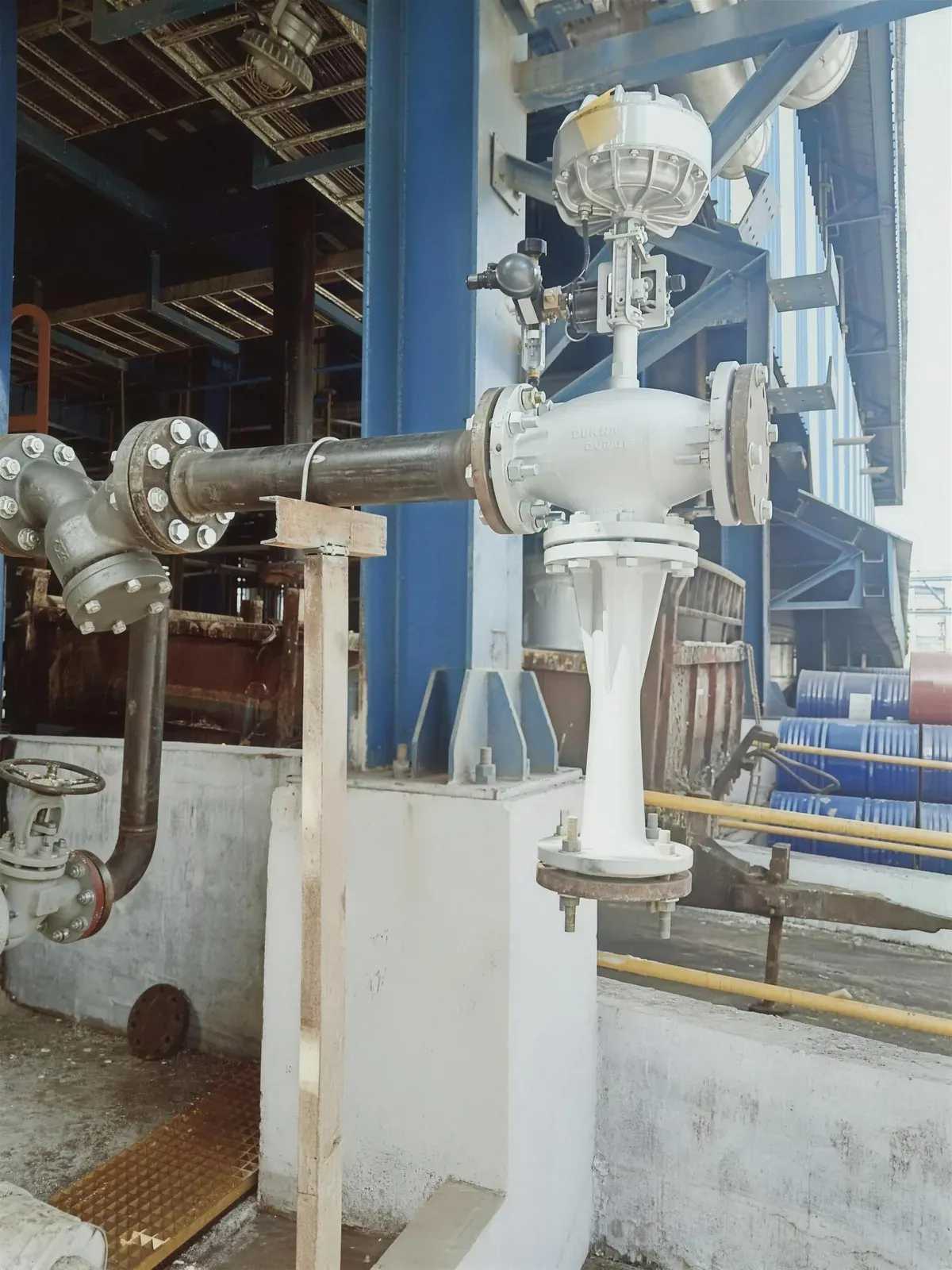
A variable-nozzle Jetomat thermocompressor installed on a steam line in a chemical plant
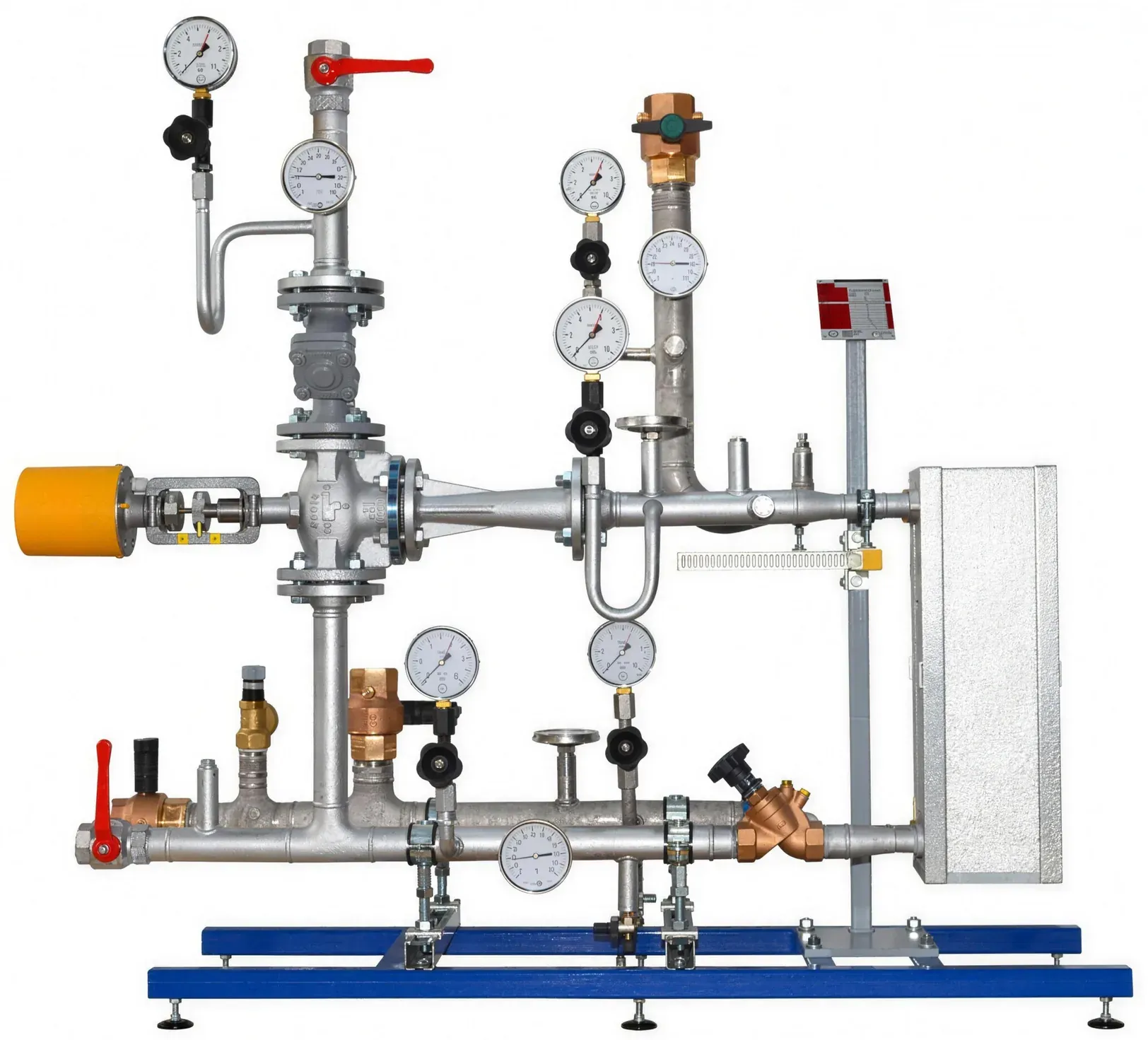
Detail A · Jetomat
422 kg/h
steam recovered from flash at one chemical plant
up to 30%
less steam
under 8
months payback

Behind every Jetomat

Jetomat® variable-nozzle thermocompressors, made in Germany by Baelz. Engineered and commissioned in India by i-Kcal.

20,000+
Baelz thermocompressors globally
28+
years of fail-safe operation in India
50+
projects delivered
CII
UPL’s Jetomat project, featured at the CII Energy Awards 2019

Chemical plants we work with

  • UPL
  • Archean Chemical Industries
  • Sudarshan
  • Henkel

Where it leaks

Where your steam money goes

Six things we hear first when we walk a chemical plant.

  1. “Flash steam goes up the vent.”

    Condensate pumped or dropped to atmosphere flashes, and low-pressure steam vents because there is more of it than demand.

  2. “The reducing station throws the pressure away.”

    High-pressure steam is throttled down to process pressure and nothing is recovered from the drop.

  3. “Tracing traps fail where nobody can reach them.”

    Dozens or hundreds of small traps on the pipe racks and in classified areas, seldom checked.

  4. “Reactor jackets heat slowly.”

    A film of condensate sits on the jacket wall and holds the heat back, so batches take longer.

  5. “The load never sits still.”

    Batches start and stop, and the flash and the steam demand swing with them.

  6. “Hot condensate goes to drain.”

    Tracer and process condensate dropped at every trap, with its heat and treated water.

What changes

What changes with i-Kcal

Steam you already paid for, back in the process: from the flash tank, the vent and the reducing station.

  • Flash steam back into the process

    A variable-nozzle Jetomat entrains vented flash steam and delivers it at process pressure.

    Jetomat thermocompressor
  • A recovery beside your reducing station

    The Jetomat runs in parallel with the existing pressure-reducing station, so production keeps its supply.

    How the Jetomat works
  • Reactors that heat faster and more evenly

    Jetomat recirculation on the jacket keeps the steam moving and the temperature even across the wall.

    Jetomat thermocompressor
  • Tracing without the traps

    One Jetomat per traced area keeps the steam moving through every tracer and brings the condensate home from one point; lines that keep their traps get trap modules.

    Condensate & flash recovery
  • More from every kg of evaporator steam

    A Jetomat between effects reuses the low-pressure vapour as heating steam.

    Jetomat thermocompressor
  • Know what leaks, and what you save

    Acoustic inspection of valves and traps, and a steam flow meter on the line you fix.

    Valve & trap leak detection

Applications

Where steam works hardest in a chemical plant

From reactor jackets to the boiler house: the duties we fit, and what each one changes.

  1. Recirculation

    Reactor jackets

    ProblemA film of condensate sits on the jacket wall and holds the heat back, so batches heat slowly and unevenly.

    What changesA Jetomat on the jacket keeps the steam moving round it and sweeps the film off the wall. Batches heat faster, and the temperature stays even across the wall.

    Jetomat thermocompressor
  2. Recompression

    Multi-effect evaporators

    ProblemEvery effect is fed live steam while low-pressure vapour from the later effects goes unused.

    What changesA Jetomat between effects lifts that vapour to the pressure of the effect before it and reuses it as heating steam. The evaporator needs less live steam for the same water removed.

    Jetomat thermocompressor
  3. Recompression

    Dryers and calandrias

    ProblemThin-film dryers and calandrias give off low-grade vapour in useful quantity, and the duty follows the batch.

    What changesA variable-nozzle Jetomat lifts that vapour back to a pressure the process can use, and follows the batch as the duty rises and falls.

    Jetomat thermocompressor
  4. Recompression

    Pressure letdown

    ProblemHigh-pressure steam is throttled down to process pressure and nothing is recovered from the drop, while low-pressure steam vents elsewhere on the site.

    What changesA Jetomat runs in parallel with the reducing station and uses the same pressure drop to lift vented steam to process pressure. Production keeps its supply, and the reducing station stays as standby.

    Jetomat thermocompressor
  5. Flash recovery

    Flash steam and vents

    ProblemCondensate pumped or dropped to atmosphere flashes, and the low-pressure steam goes up the vent because there is more of it than demand.

    What changesA variable-nozzle Jetomat entrains the vented flash steam and delivers it as process steam, following the swings in flash as batches start and stop.

    Jetomat thermocompressor
  6. Hot condensate home

    Condensate return

    ProblemHot condensate goes to drain or into open receivers, and takes its heat and treated water with it.

    What changesA flash separator takes the flash off, and a pressure-powered pump sends the hot condensate back to the boiler feedwater tank. Heat and treated water stay in the plant.

    Condensate & flash recovery
  7. Trap-free tracing

    Steam tracing

    ProblemTracing carries most of a plant’s steam traps: small, numerous, up on the pipe racks and seldom checked, with condensate going to drain at every one.

    What changesOne variable-nozzle Jetomat per traced area keeps steam moving through every tracer at one set pressure. The tracer traps go, every line holds its temperature to the tail, and the condensate comes home from one point.

    Condensate & flash recovery
  8. Leak detection

    Tank and line heating

    ProblemTank coils and tracer lines run on many small traps and valves that are rarely surveyed, so leaks run unseen.

    What changesAn acoustic survey checks every trap and valve against its tag and shows which leak or are blocked, so repairs go to the right ones and the next survey shows what changed.

    Valve & trap leak detection
  9. Vent and feedwater

    Deaerator and feedwater

    ProblemThe deaerator vent is a manual valve set at commissioning and never re-checked, so steam and treated water leak all year.

    What changesA deaerator package with its vent set to the duty keeps oxygen out of the feedwater, and the returned condensate lands where its heat is kept.

    Deaerator
  10. Heat recovery

    Boiler blowdown

    ProblemBoiler blowdown is opened by hand, on habit, so hot water and flash steam leave the boiler house with it.

    What changesBlowdown is set by measured water quality, the flash steam goes to the deaerator and the remaining heat to the feedwater.

    Boiler blowdown with heat recovery

Proof

Measured at UPL in Bharuch

Chemical plant · Bharuch, India

422 kg/h
steam saved

Flash steam recovered while the load keeps changing

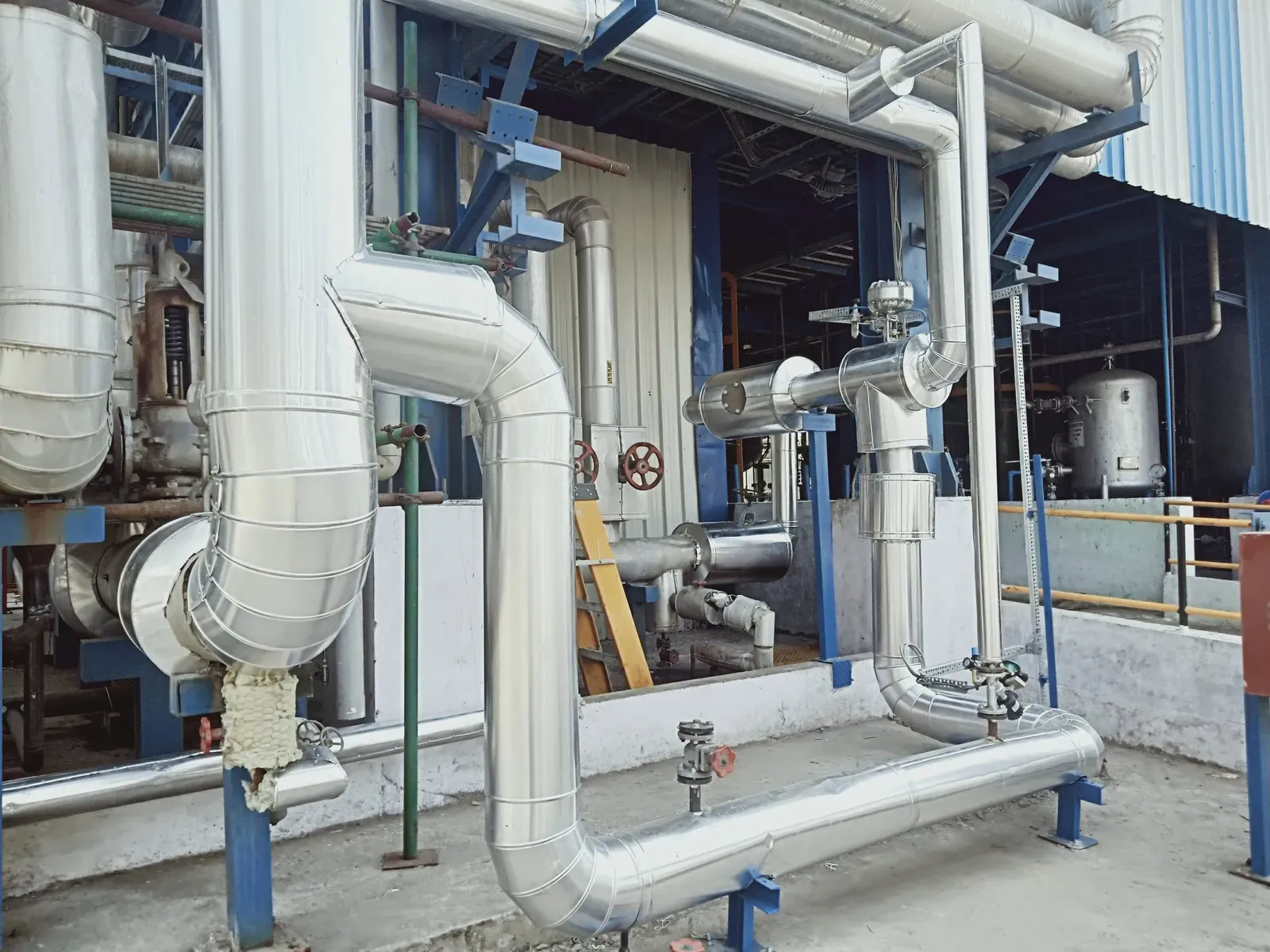
At UPL in Bharuch, flash steam from condensate pumping went up the vent while the steam load kept changing. A variable-nozzle Jetomat, supplied and commissioned by i-Kcal, runs alongside the 3.5 bar reducing station and turns that flash into 3.5 bar process steam, with no change to production.

422 kg/h
steam saved
under 8
months payback
CII 2019
featured at the National Energy Awards
Read the UPL case study
The insulated Jetomat at UPL, Bharuch: the flash-steam recovery featured at the CII Energy Awards 2019

How it works

The Jetomat, in three steps

The short version. The engineering detail is on the Jetomat page.

  1. Live steam drives the Jetomat

    High-pressure steam enters the variable nozzle and does the pumping.

  2. It draws in the waste steam

    The jet entrains vented flash or low-pressure steam from the vessel or the vent line.

  3. Back at process pressure

    The mixture is recompressed to the pressure the process needs, and the nozzle follows the load as it swings.

How the Jetomat thermocompressor works

Next step

Talk to an engineer

Tell us about your plant and send us the ten numbers below.

The ten numbers

  1. Header pressures, and what each carries
  2. Where the vents are
  3. Boiler capacity and pressure
  4. Condensate return temperature and share
  5. Fuel and its price
  6. The traced lines and their hold temperatures
  7. Reactors and jackets
  8. The steam meters you have
  9. Which areas are classified
  10. The plot plan

What we send back

A first number for your plant, or a date for a site visit.

Add the ten numbers to the message if you have them.

We reply within one working day. We use your details only to answer your enquiry. See our Privacy page.

FAQ

Chemical industry questions

What does a Jetomat do in a chemical plant?

It takes flash or vent steam that would go to atmosphere, compresses it with high-pressure steam and delivers it back at process pressure. On reactors and tracing it keeps the steam moving instead of trapping it.

Can it follow a load that swings?

Yes. The variable nozzle opens and closes with the load, so recovery and pressure hold while batches start and stop.

How much can we save, and how fast does it pay back?

Up to 30% less steam on the duties it fits. Typical payback for a Jetomat is 6 to 18 months, depending on the application and the fuel price; at UPL in Bharuch it was under 8 months.

Does the plant have to stop?

No. The Jetomat is tied in beside the existing reducing station, and the old path stays in service until the new one is proved.

Do the traps on our tracing go?

On a Jetomat tracing loop the tracers run without traps and the condensate comes home from one point. On a retrofit the old traps can stay in place, valved off, as standby.

Is it suitable for hazardous areas?

The Jetomat has no rotating machinery; only the nozzle spindle moves, and there is no seal or lubricant in the steam path.

Will it speed up our reactors?

A Jetomat on the jacket recirculates the steam, so the jacket heats faster and more evenly; three reactors in a polycarbonate plant in Europe have run this way at full capacity since 2000.

Is it an IBR job?

It depends on the line pressure and size; much low-pressure recovery stays outside IBR. Where it is IBR, i-Kcal takes the approvals through the Inspectorate.

Send us your header pressures

We show where your flash and vent steam can go back into the process, and what it brings back, free.