
Precision deaerator for reliable boiler operation
Boost efficiency and longevity: a pressurised boiler deaerator preheats your feedwater, drives out oxygen and CO₂, and recovers flash-steam energy on the way.
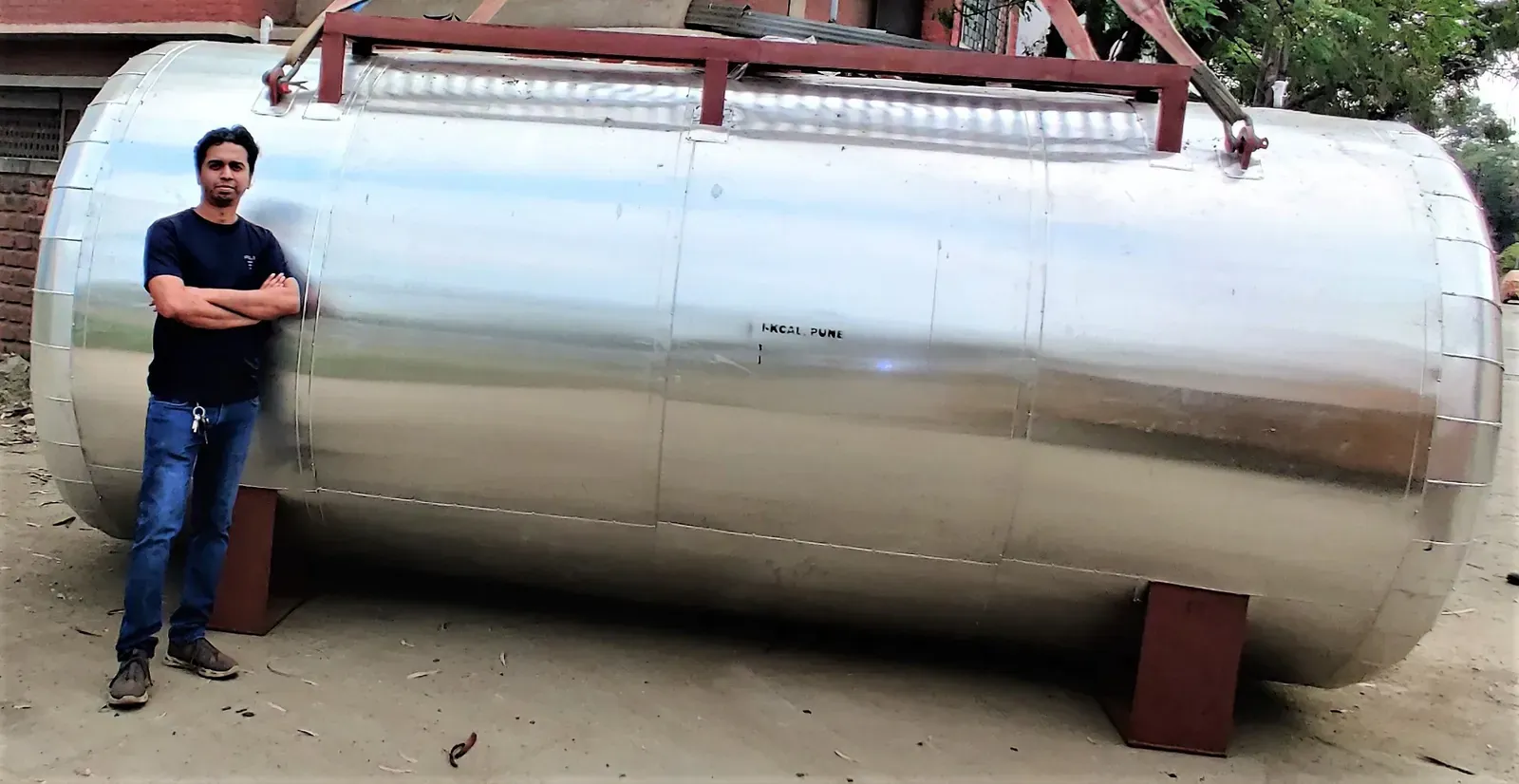
- 7 ppbDissolved oxygen
- 105–180 °CFeedwater temperature
Exploded view
The deaerator, taken apart
Pressurised deaerator that preheats boiler feedwater to ~105–180 °C and lowers dissolved oxygen to 7 ppb, with a 5:1 turndown and 10–20 minutes of storage.
- Deaerator head Make-up water is sprayed in droplets in the head and meets the steam, and the oxygen and CO₂ leave through the vent on top.
- Flash steam Flash steam enters the deaerator head here, opposite the make-up water.
- Condensate return Captures energy from flash steam and condensate.
- Safety valve Protects the tank against overpressure.
- Storage tank Provides 10–20 minutes of water storage and the net positive suction head (NPSH) boiler feed pumps need — even during demand surges or fluctuations.
- Level control Holds the water level in the storage tank.
- Feed outlet Preheating feedwater to ~105 °C gives water a smooth transition into steam, preventing thermal shock to the boiler and its components.
- Saddles A fixed and a sliding support carry the tank.
- Live steam Live steam enters at the bottom through this pipe and keeps the stored water hot.
Key functions
What a deaerator does for your boiler
-
Steam saver
“Turning up the heat without turning up the bill.”
Recycles energy from closed-loop steam systems, reducing live-steam demand and improving overall system efficiency. Minimising the amount of gas to be removed lowers steam consumption and energy cost.
-
Feedwater preheating
“No more cold-water surprises.”
Preheating feedwater to ~105 °C gives water a smooth transition into steam, preventing thermal shock to the boiler and its components.
-
Oxygen removal
“Oxygen out before the boiler.”
Lowers dissolved oxygen to 7 ppb, preventing corrosion and reducing chemical treatment costs.
-
CO₂ and gas removal
“Keeping your boiler shiny inside.”
Removes carbon dioxide and other harmful gases that cause pitting and scaling, keeping steam equipment corrosion-free and efficient.
-
Steam blanket
“No room for gases.”
Maintains a layer of steam over the stored water to prevent gas re-absorption and save reheating energy.
The physics
Why hot water holds less oxygen
-
Heating
Dissolved oxygen, carbon dioxide and other gases in feedwater cause corrosion, pitting and scaling.
-
Oxygen out
Dissolved oxygen falls to 7 ppb: less corrosion, less chemical treatment.
-
Steam blanket
A layer of steam over the water stops gases dissolving again and saves reheating.
-
Storage
10–20 minutes of storage, and the net positive suction head the feed pumps need.
Illustration, traced from i-Kcal’s general-arrangement drawing.
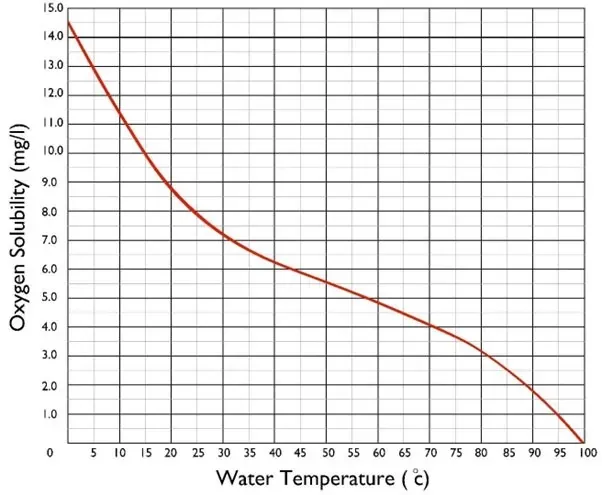
Oxygen solubility in water falls as the water gets hotter. That is why a deaerator heats feedwater to ~105 °C and keeps a steam blanket over the stored water — so dissolved oxygen is driven out and cannot dissolve back in.
Read: feedwater heating with ejectorsHere is the physics, if you want it.
Why feedwater must be deaerated, and how much steam it costs: Feedwater and deaeration in our free i-Kcal Thermal Academy.
Advantages
Advantages of pressurised deaerators
| Item | Benefit | Description |
|---|---|---|
| 01 | Energy recovery that pays off | Captures energy from flash steam and condensate. Preheats feedwater to ~105–180 °C, reducing the energy needed to bring water to boiler temperature, lowering fuel consumption and operating cost. |
| 02 | Corrosion-free operation | Lowers dissolved oxygen to as little as 7 parts per billion, extending the life of high-pressure boilers and critical equipment. |
| 03 | Lower chemical costs | Reduces or eliminates oxygen-scavenging chemicals such as sodium sulphite or hydrazine — cutting both operating cost and environmental impact. |
| 04 | Adapts to varying loads | Whether you have high make-up water volumes or high condensate returns, a turndown ratio of up to 5:1 maintains performance through peak and low-demand periods. |
| 05 | Integrated storage & NPSH | Provides 10–20 minutes of water storage and the net positive suction head (NPSH) boiler feed pumps need — even during demand surges or fluctuations. |
| 06 | Thermal-shock prevention | Operates from 105 °C up to 180 °C, lessening thermal stress on downstream equipment and protecting boilers from premature wear. |
Where it is used
See it in your industry
FAQ
Deaerator questions
What is a boiler deaerator?
The vessel that heats boiler feedwater with steam and drives out dissolved oxygen and carbon dioxide before the water reaches the boiler. Ours are pressurised: they preheat feedwater to around 105 °C, up to 180 °C, and lower dissolved oxygen to 7 ppb.
Why does boiler feedwater need deaeration?
Dissolved oxygen, carbon dioxide and other gases in feedwater cause corrosion, pitting and scaling. A deaerator lowers dissolved oxygen to as little as 7 ppb and removes CO₂, protecting the boiler and reducing chemical treatment costs.
What temperature does a deaerator heat feedwater to?
Feedwater is preheated to around 105 °C. Pressurised deaerators operate from 105 °C up to 180 °C, which reduces the fuel needed in the boiler and the thermal stress on downstream equipment.
Can a deaerator reduce boiler chemical costs?
Yes. By lowering dissolved oxygen, a pressurised deaerator reduces or eliminates the need for oxygen-scavenging chemicals such as sodium sulphite or hydrazine.
How does a deaerator cope with changing steam demand?
It has a turndown ratio of up to 5:1 and provides 10–20 minutes of water storage, plus the NPSH required for reliable boiler feed pump operation during demand surges or fluctuations.
Is oxygen corrosion costing your boiler house?
Tell us your steam load, make-up water and condensate return. We will size a deaerator for your plant and estimate the fuel and chemical savings — free.