
Steam-based hot water generator

Reliable. Efficient. Baelz ejector inside. Direct steam-water mixing for instant heating with 100% heat transfer, or indirect condensate-controlled heating that uses 10–15% less steam than a conventional PHE.

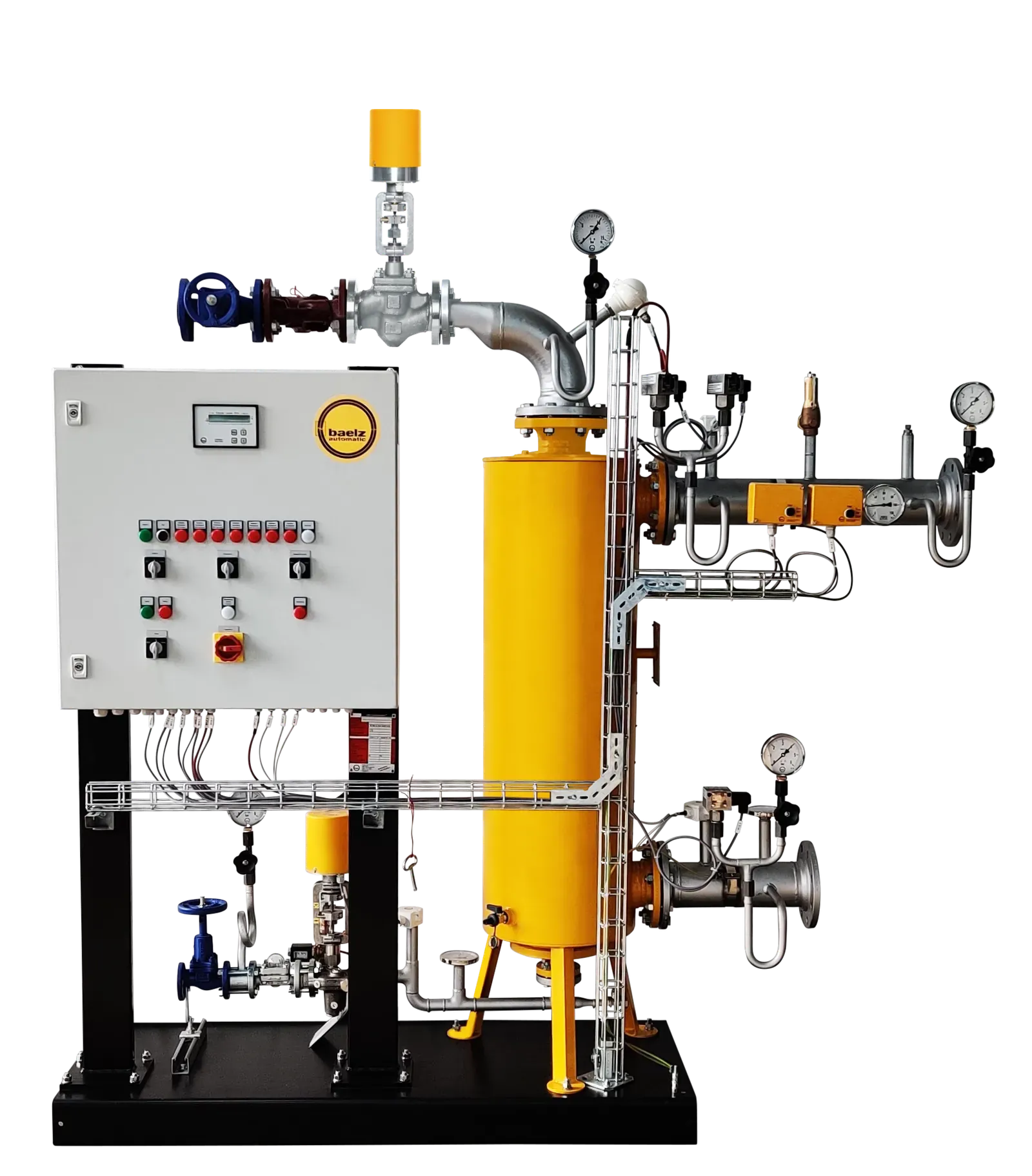
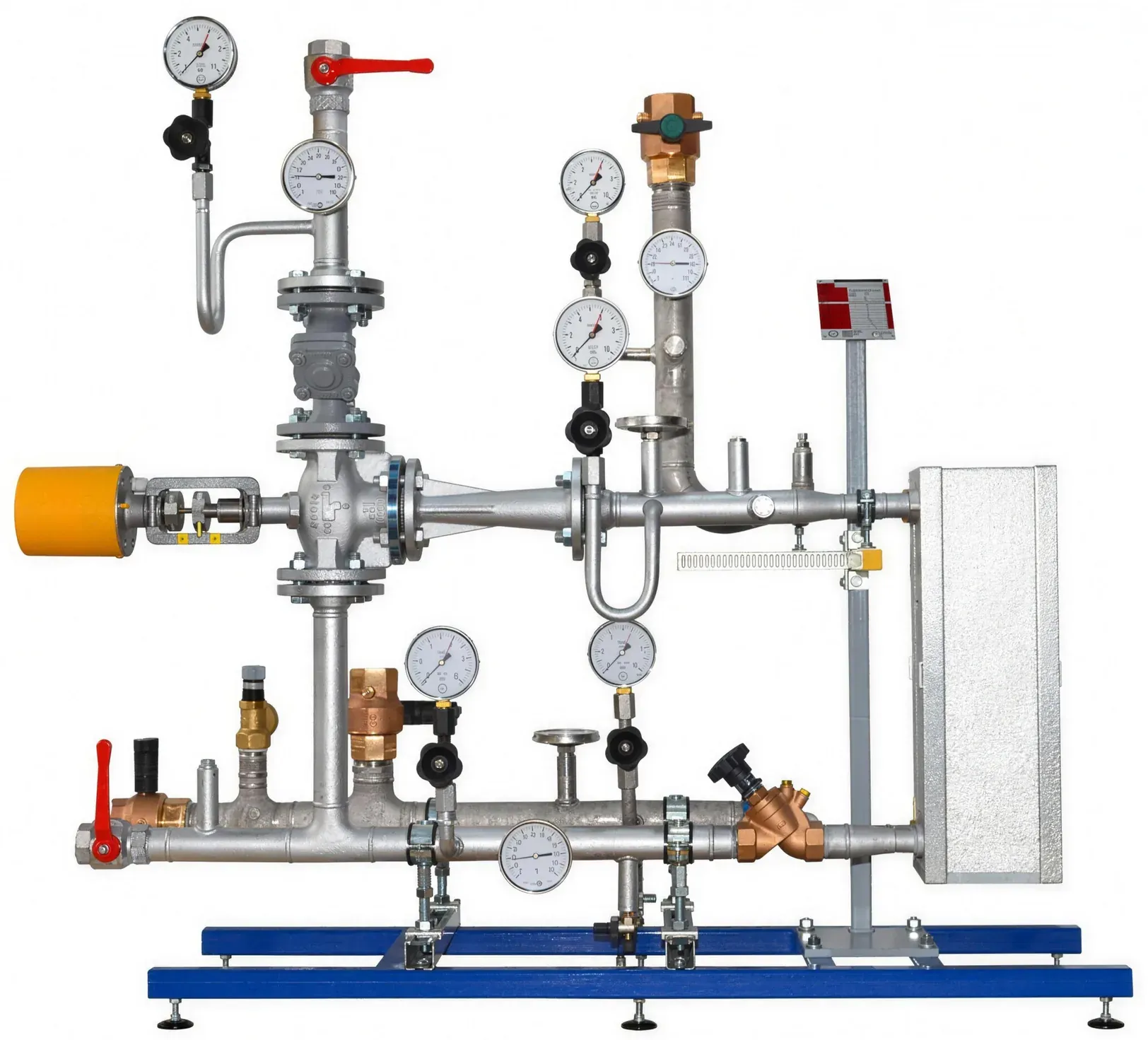
Skid-mounted hot water generator station with control panel, yellow vessel, valves and gauges
Pictured: Baelz, Germany
  • 100%Heat transfer (direct)
  • 10–15%Less steam vs PHE (indirect)
  • 30 yearsService life many Baelz ejectors reach (Baelz)

Exploded view

The direct system, taken apart

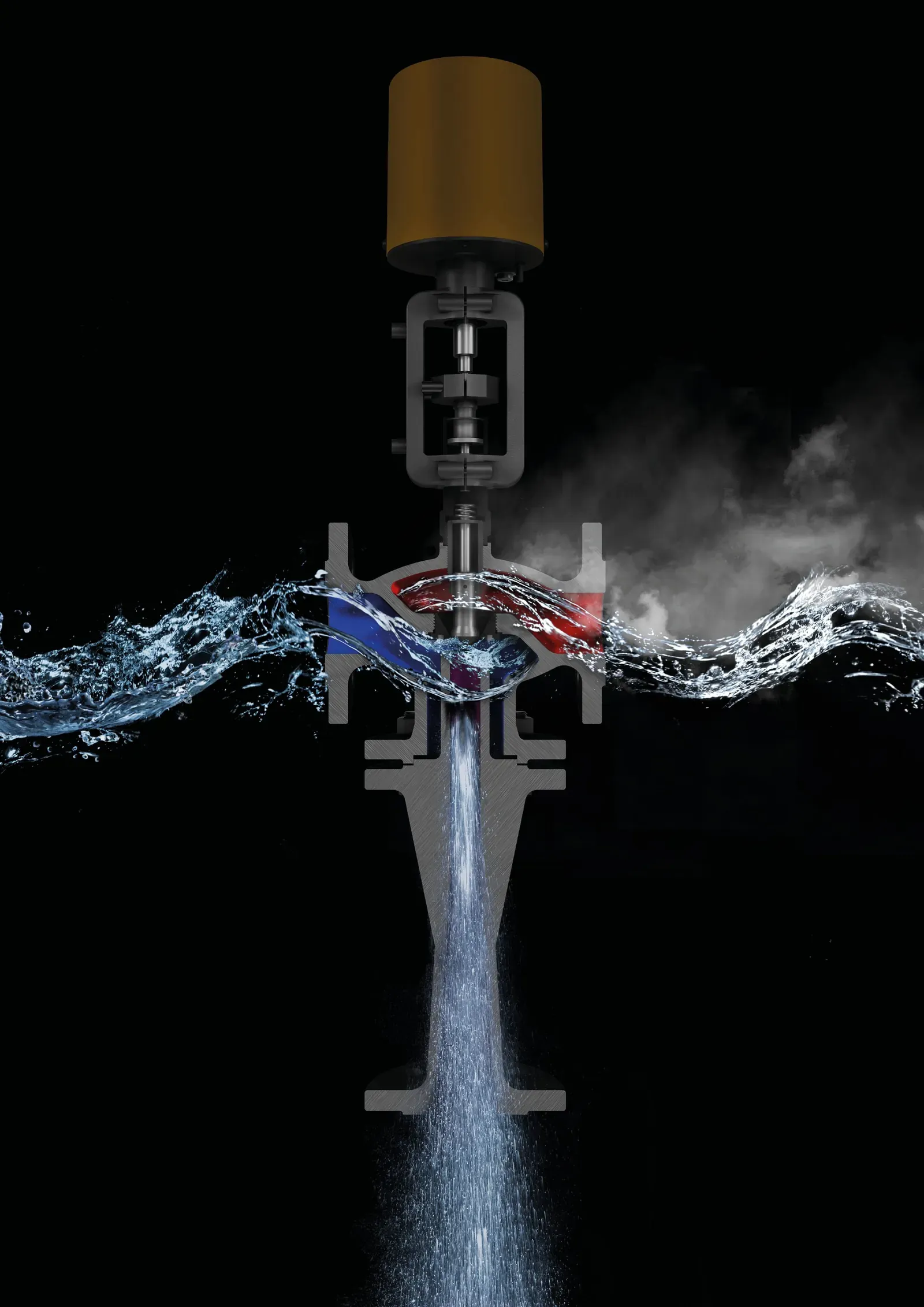
Steam is injected directly into water through a variable-nozzle ejector, condensing instantly and transferring 100% of its thermal energy without loss. A diffuser ensures smooth operation, eliminating vibration and steam hammer.

Cut-away of a variable-nozzle steam-water mixing ejector with actuator, injecting steam into a water stream
  • Steam
  • Cold water
  • Hot water
Illustration, traced from the photograph. Pictured: Baelz, Germany
  1. Actuator An actuator adjusts the nozzle size, and with it the steam flow, for accurate temperature control.
  2. Yoke & spindle Links the actuator to the variable nozzle inside the body.
  3. Variable nozzle An actuator-driven variable nozzle meters the steam for accurate temperature control.
  4. Steam inlet Steam enters the body here.
  5. Water inlet The incoming water stream enters here.
  6. Body Steam and water meet at the variable nozzle.
  7. Mixing tube The finely dispersed steam condenses instantly on mixing, transferring all of its thermal energy directly into the water.
  8. Diffuser A diffuser ensures smooth operation, eliminating vibration and steam hammer.
  9. Hot water outlet Heats water instantly from cold to the desired temperature.
Skip to the working principle

Working principle

Two ways to make hot water from steam

  • Direct steam-water mixing

    Steam is injected directly into water through a variable-nozzle ejector, condensing instantly and transferring 100% of its thermal energy without loss. A diffuser ensures smooth operation, eliminating vibration and steam hammer.

  • Indirect, condensate-controlled

    Steam transfers heat through a flooded heat exchanger. Unique condensate-side control retains steam under vacuum and extracts sensible heat, reducing steam consumption by 10–15% compared with conventional PHE systems.

Illustration: the direct system.

How it works

Inside the direct and indirect systems

Direct system

Skip to the indirect system
  1. Injection

    A variable-nozzle ejector injects steam at up to about 760 m/s into the water.

  2. Mixing

    The steam condenses instantly, giving all its heat straight to the water.

  3. Diffuser

    The diffuser keeps operation smooth: no vibration, no steam hammer.

  4. Variable nozzle

    An actuator sets the nozzle, and the steam flow, to heat the water instantly to the set temperature.

    This eliminates operating problems such as steam hammer and heats water instantly from cold to the desired temperature.

Illustration, traced from the photograph.

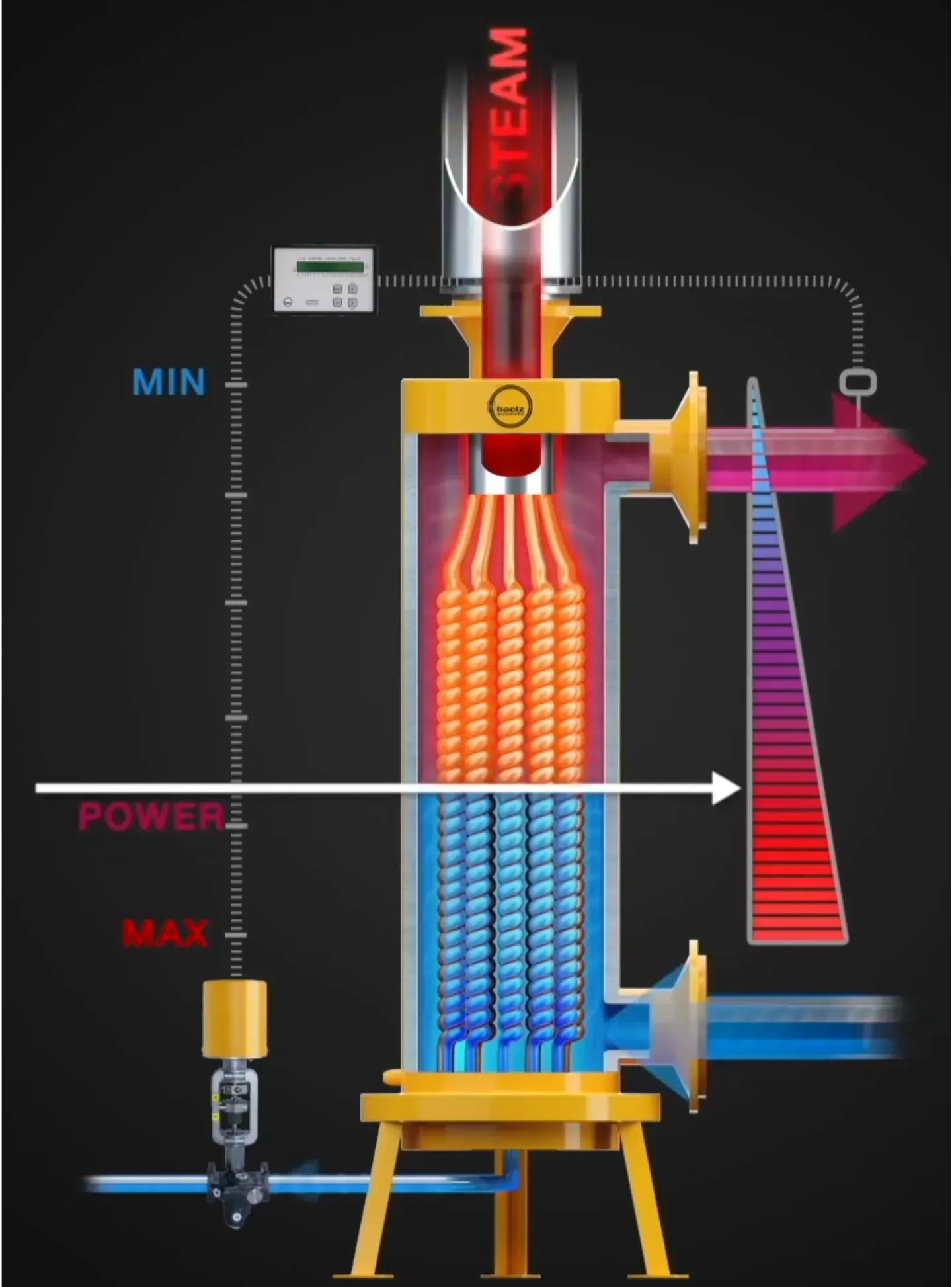
Diagram of a flooded heat exchanger hot water generator: steam enters at the top, condensate level varies between minimum and maximum to set heating power

Indirect system

Steam circulates inside a flooded heat exchanger, transferring heat to the water without direct mixing.

Condensate discharge is precisely regulated to keep the exchanger partially flooded, extracting additional sensible heat from the condensate. This controlled method significantly improves thermal efficiency and reduces steam consumption.

Here is the physics, if you want it.

The design logic behind steam-to-water generation: Hot water from steam in our free i-Kcal Thermal Academy.

Benefits

Benefits of a hot water generator

ItemBenefitDescription
01Significant energy and fuel savingsDesigned for energy efficiency, minimising fuel consumption and operating cost.
02Lower installation and maintenance costsRobust construction and modern design mean minimal maintenance and years of efficient operation.
03Reliability and long equipment lifeBuilt by i-Kcal in India around the Baelz variable-nozzle mixing ejector (made in Germany). Baelz reports that many of its ejectors are still in operation three decades after installation.
04Consistent, accurate temperature controlHeats water rapidly, minimising downtime in industrial processes and improving overall productivity.
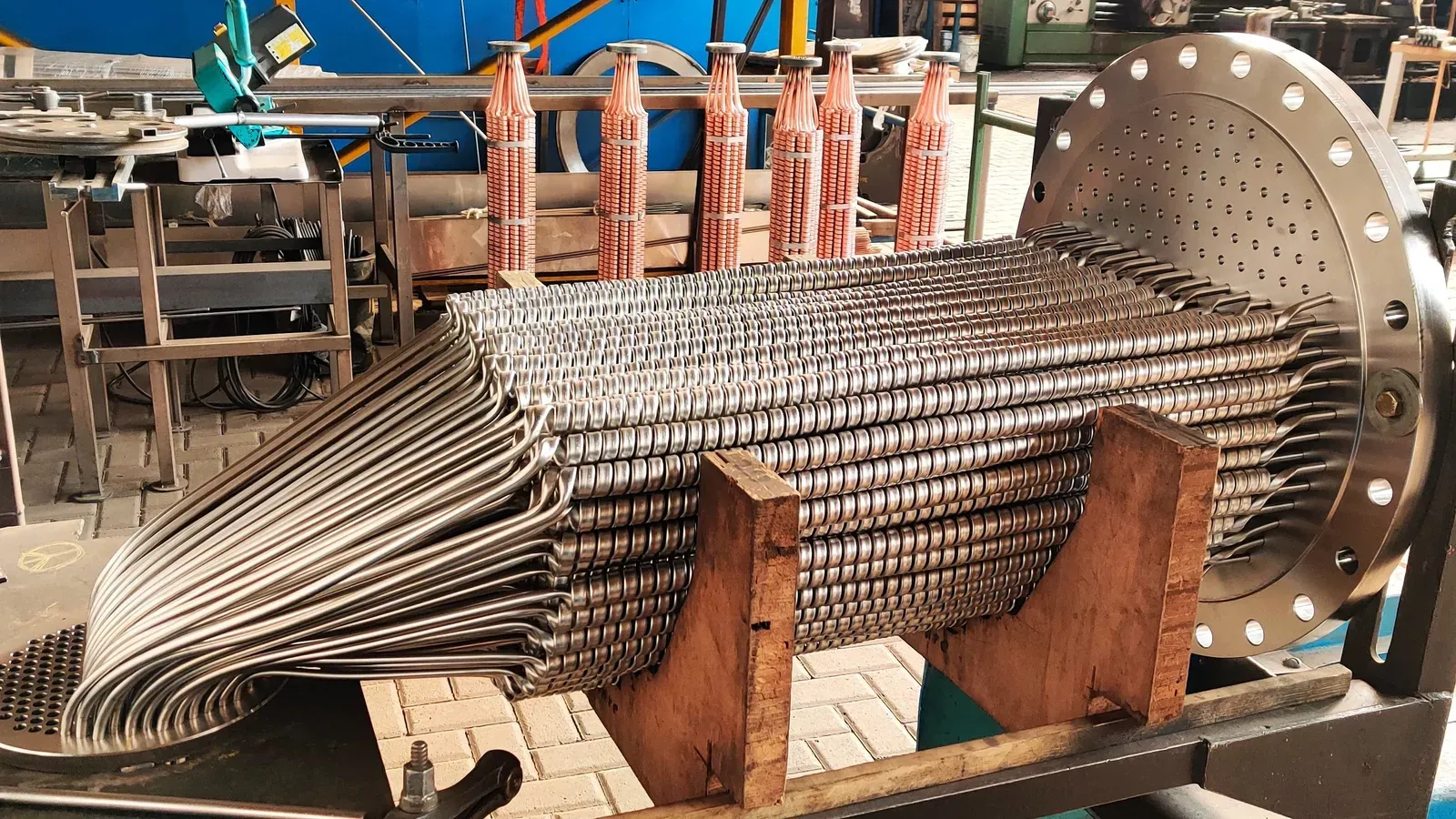
Spiral tube bundle for a hot water generator heat exchanger, in the workshop

Implementation

Selecting the right system

  1. Choose the direct system for maximum efficiency where steam–water contact is acceptable.

  2. Opt for the indirect system where purity is critical, or where flash steam recovery is desired.

  3. Assess steam availability, water quality and space constraints.

  4. Evaluate operational preferences, ease of maintenance and future scalability.

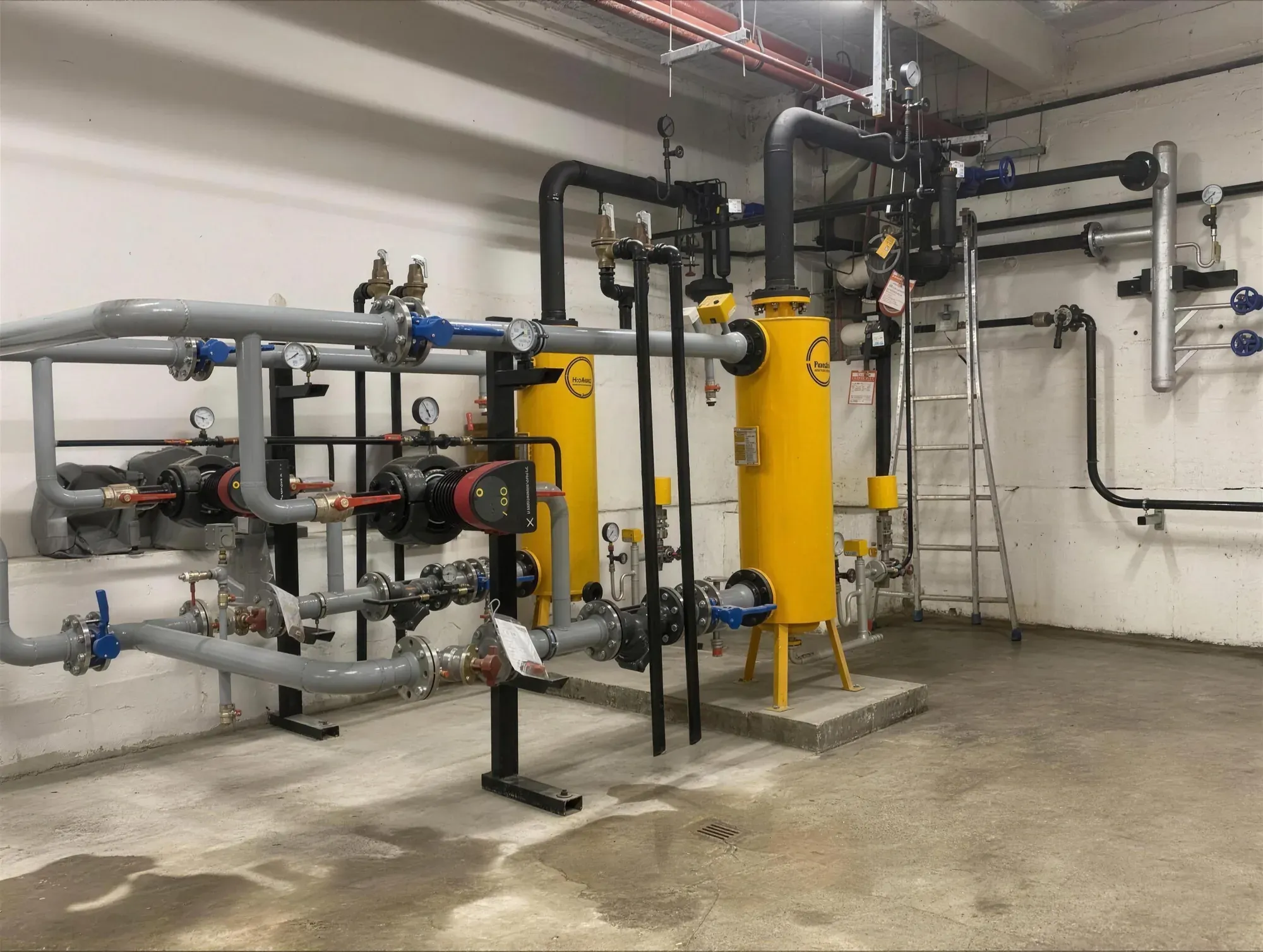
Hot water generator installation in a plant room, with yellow vessels and insulated pipework

Case studies

See it in practice

Steam-water mixing in a real plant, and in more detail on our blog.

  1. Baelz case, Bayer (Germany), water-heating system

    Hot-water hygiene and control with jet pump mixing

    At Bayer’s site in eastern Germany, the team adopted a flow-through hot-water heating system with jet pump (Jetomat) mixing control to upgrade performance and reliability.

    1–100%Stable control from 1 to 100% loadabout 9 ×More water over the exchanger at part loadabout 60 °CDrinking water held
    Read the case study

FAQ

Hot water generator questions

What is the difference between direct and indirect hot water generators?

A direct system injects steam into the water through a variable-nozzle ejector, where it condenses instantly and transfers 100% of its thermal energy. An indirect system heats water through a flooded heat exchanger, without mixing, and controls the condensate side to extract extra sensible heat.

How much steam does the indirect system save?

Condensate-side control keeps steam in the exchanger under vacuum and extracts sensible heat, reducing steam consumption by 10–15% compared with conventional PHE systems.

Does direct steam-water mixing cause steam hammer or vibration?

No. A diffuser ensures smooth operation without vibration or steam hammer, and an actuator-driven variable nozzle meters the steam for accurate temperature control.

Which system should I choose?

Choose direct for maximum efficiency where steam–water contact is acceptable; choose indirect where purity is critical or flash steam recovery is desired. Steam availability, water quality, space, maintenance and future scalability also matter.

Where are the hot water generators made?

They are built by i-Kcal in India around the Baelz variable-nozzle mixing ejector (made in Germany). Baelz reports that many of its ejectors are still in operation three decades after installation.

Need hot water from steam?

Tell us your flow, temperatures and steam supply. We will recommend a direct or indirect hot water generator and estimate the steam savings — free.

Send us a quick message

We reply within one working day. We use your details only to answer your enquiry. See our Privacy page.