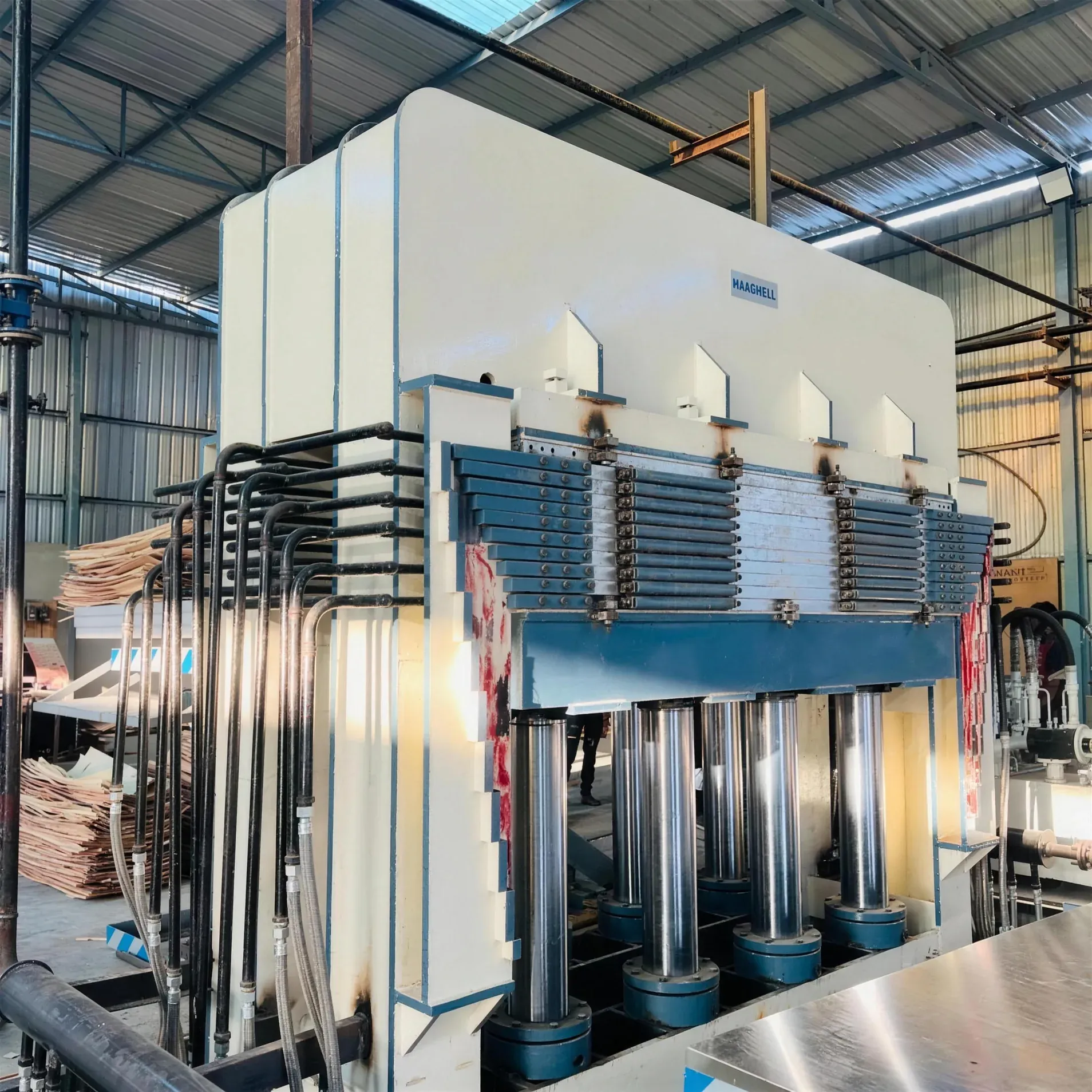
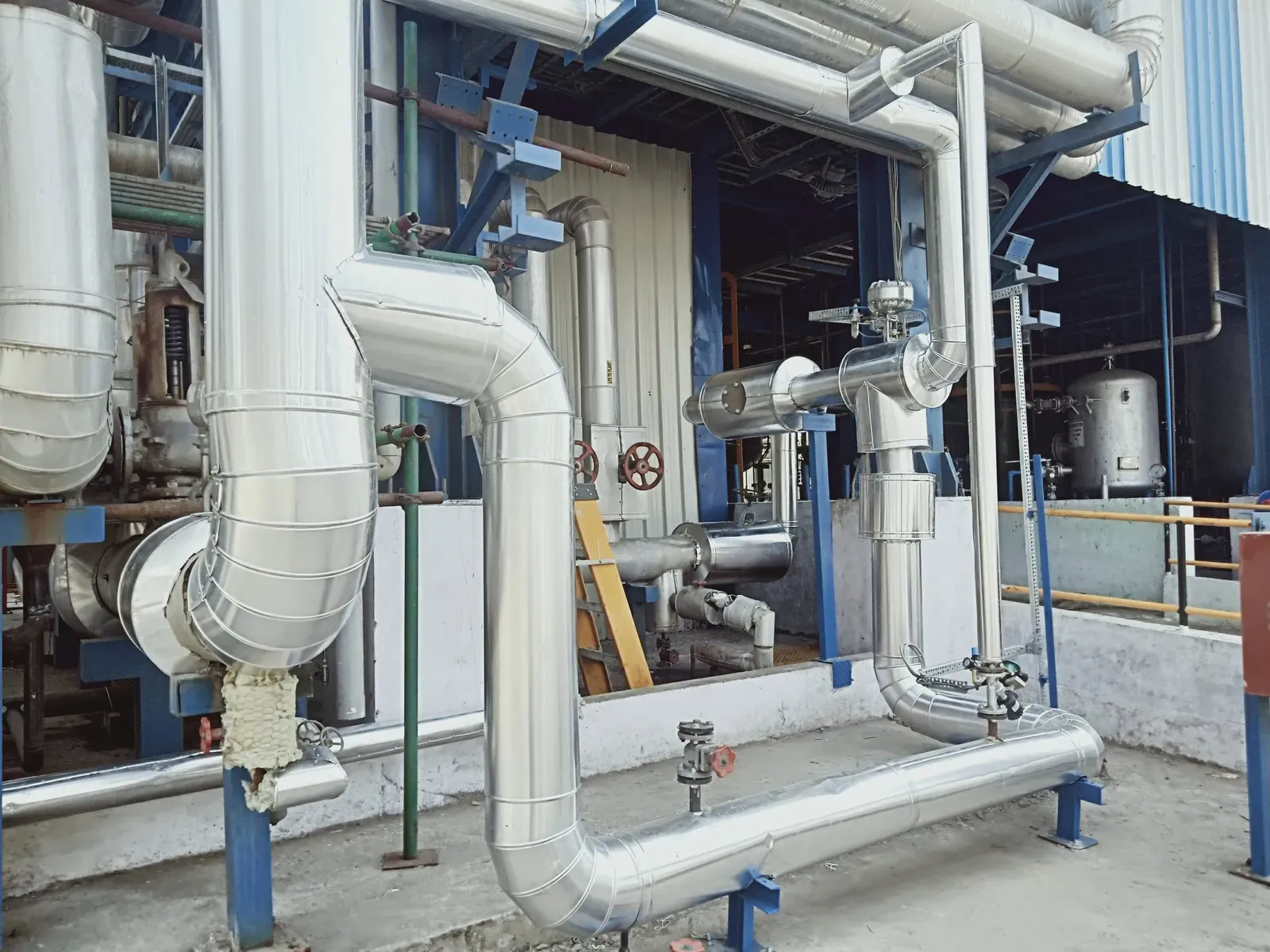
We close the steam loop on your hot press. Condensate leaves the platens by suction, flash steam goes back into the press instead of up the vent, and nobody opens the bypass to clear the platens.
less fuel oil per m³ of board, MDF plant in South Korea
5.1%
more board a day from the same dryer and press
0
steam traps left on the dryer and press
An MDF board plant in South Korea, a Baelz reference: monthly averages over 10 months. Read the MDF case study
Behind every Jetomat
Jetomat® variable-nozzle thermocompressors, made in Germany by Baelz. Engineered and commissioned in India by i-Kcal.
20,000+
Baelz thermocompressors globally
28+
years of fail-safe operation in India
This season · MonsoonWetter veneer and wetter fuel: dryers and hot presses need more steam just when the boiler gives less. Flash steam recovered from the presses closes that gap.Talk to an engineer
This season · WinterCold platens take longer to warm up, and every press start-up asks more of the boiler. Active suction clears the air and condensate from the platens while they heat.Talk to an engineer
Where it leaks
Where your steam money goes
Five things we hear first when we walk a plywood plant.
“The operator nudges the steam valve all shift.”
The press setpoint is worked by hand, and the trap bypass is opened every few minutes to clear the platens: live steam straight to the roof.
“Every time a batch starts, the boiler collapses.”
The press takes its steam in one big draw, and every other user rides the same pressure swing while the boiler catches up.
“Condensate pools, and the drying goes uneven.”
Condensate collects in the platens instead of draining away, so the heat across the press is uneven.
“Flash steam leaves at every drain.”
Every kilogram of hot condensate dropped to atmosphere flashes again: steam you already paid for, vented.
“Warm-up takes longer than it should.”
Air and condensate both block heat inside the platens, and both can only leave through the same choked drains.
What changes
What changes with i-Kcal
A closed steam loop on every press, sized to your boiler and counted on a meter.
Every daylight hot, top to bottom
A Jetomat on every press draws the condensate out of the platens by suction, so the bottom of the stack heats like the top.
A flash vessel and the Jetomat return flash steam to the press as suction instead of venting it at the drain. Hot condensate goes back to the boiler house.
The plants we have logged use 1,011 to 1,708 kg of steam per press cycle, where the physics of the same press needs 803 to 887 kg, and 50–60% of each cycle’s heat goes into the platen steel. A steam flow meter and totaliser on the boiler main and the press branch show the kg behind every cycle, and the saving is counted on that meter.
The dryer’s heater batteries and the press’s heating plates drained through steam traps that could not clear the condensate, flash steam vented from the tank and the plant ran short of steam in winter. One Jetomat recirculation loop on the dryer and one on the press, with the traps gone, keep steam moving through the heat surfaces and send the flash steam back to the users.
A summary of our industry note for plywood and board plants: where the hot press and the dryer lose steam, how a closed Jetomat loop on each machine ends it, and what we need from you to size it.
Read Full Plywood Industry Note
Where the steam goes
The hot press sets the pace of a plywood plant’s boiler house. It takes its steam in one big draw when it closes, and every other user rides the same pressure swing.
Half to three-fifths of each cycle’s heat goes into the platen steel. The rest has to reach the board through whatever condensate and air sit inside the platens.
The presses we have logged ran 1,011 to 1,708 kg of steam a cycle, against 803 to 887 kg the physics of the same press needs. The difference is blow-through, air, flooded platens and steam sent to the roof.
Six leaks we see in plywood and board plants
A hand on the steam valve all shift, and the trap bypass opened every few minutes to clear the platens.
Condensate pooling in the lowest platens, so the last daylights heat slowly and the board cures soft.
Air let in every time the press opens, leaving through the same choked drains as the condensate.
Flash steam at every open drain and condensate tank: steam you already paid for, vented.
Dryer heater batteries on traps that cannot clear them, so condensate backs up and the drying slows.
A boiler that drops hard when the press closes, taking every other user with it.
One Jetomat loop on every press
High-pressure steam drives a variable-nozzle Jetomat on each press. The Jetomat feeds every platen, and the platens drain by suction, with no trap and no bypass, into the press’s own condensate vessel.
The vessel’s flash is the Jetomat’s suction, so it goes back into the press instead of up the vent. One level-controlled drain per press replaces the platen traps, and only the condensate leaves, hot, for the boiler house.
On big presses the condensate header is split top and bottom, so the bottom daylights heat like the top. The Jetomat also takes the place of the press line’s pressure-reducing station (PRS): the pressure once throttled away now drives the loop.
Before
After · one Jetomat per press
Live steam
Blow-through and flash, back to the Jetomat
Condensate
Before: a hand on the steam valve, a trap and its bypass on the platens, the low platens flooded, and the flash vented at an open tank. After: one Jetomat feeds every platen, the platens drain with no trap into the press's own vessel, its flash goes round again, and only the condensate leaves, hot.
Board lines: one loop on the dryer, one on the press
MDF and particle-board lines run two steam machines: a dryer on steam heater batteries and a multi-daylight press on steam plates. Both take the same loop.
At an MDF board plant in South Korea, a Baelz reference, one Jetomat loop went on the dryer and one on the press, and the traps came out. Fuel oil per m³ of board fell from 12.3 to 8.9 litres, and the winter steam shortage ended.
Each heating plate drains through its own valve, so setting that valve sets the plate’s surface temperature. A long dryer is split into pressure groups, each with its own Jetomat.
The hand leaves the valve
A cascade controller runs warm-up, handover and soak on its own: a fast pressure loop inside a slow platen-temperature loop, on verified sensors. Active suction clears air and condensate as the press warms, so nobody opens the bypass.
Where the boiler drops hard as the press closes, a steam accumulator sized to the boiler, or the loop alone, carries the swing.
A steam flow meter and totaliser on the boiler main and the press branch give every cycle its kg of steam, so the saving is read on your own meter.
What we need from you
Ten numbers size it: boiler capacity and pressure, the pressure dip when the press closes and its recovery time, cycles a day, daylights, platen size, set temperature, steam cost and sheets per batch. From those we show where your press sits against the physics and which scheme fits; a 15 to 30 day cycle log sets the final number.
Savings estimator
Estimate your fuel saving
Your fuel, your production, your hours, your fuel cost. The estimate applies a published saving band to your own numbers.
What we send back
We place your press against the physics and show the scheme that fits. A 15 to 30 day cycle log then sets the final number.
Add the ten numbers to the message if you have them.
The ten numbers
Boiler capacity
Boiler pressure
The pressure dip when the press closes
The time the pressure takes to recover
Cycles a day
Daylights
Platen size
Set temperature
Steam cost
Sheets per batch
FAQ
Plywood industry questions
01How much steam can a plywood plant save?
It depends on how far your press sits from the physics. Plants we have logged ran 1,011 to 1,708 kg of steam per cycle against 803 to 887 kg the physics needs: that gap is the room the loop works in. Your own figure comes from a 15 to 30 day cycle log, and the saving is counted on your own steam meter.
02Why do my bottom platens run cold and the board cure soft?
Condensate pools in the lowest platens and blocks the heat, so the last daylights come out soft. Active suction removes it, and condensate headers split top and bottom balance the stack.
03Does it replace the steam traps and the bypass?
On the press line, yes: one level-controlled drain per press vessel replaces the traps, and nobody opens a bypass. The dryers and the chemical plant keep their traps.
04My boiler drops hard when the press closes. Can this help?
Yes. A steam accumulator sized to your boiler, or the loop itself, rides the swing.
05What is the payback?
Typical payback for a Jetomat is 6 to 18 months, depending on the application and the fuel price. Send the ten numbers and we work out what it means for your press.
Know your steam per press cycle
Send the ten numbers. We place your press against the physics and show the scheme that fits your plant, free.