
Less fuel for every tonne of corrugated board

We close the steam loop on your corrugator. Flash steam goes back into the hot plates instead of up the vent, and the steam traps come off the machine.

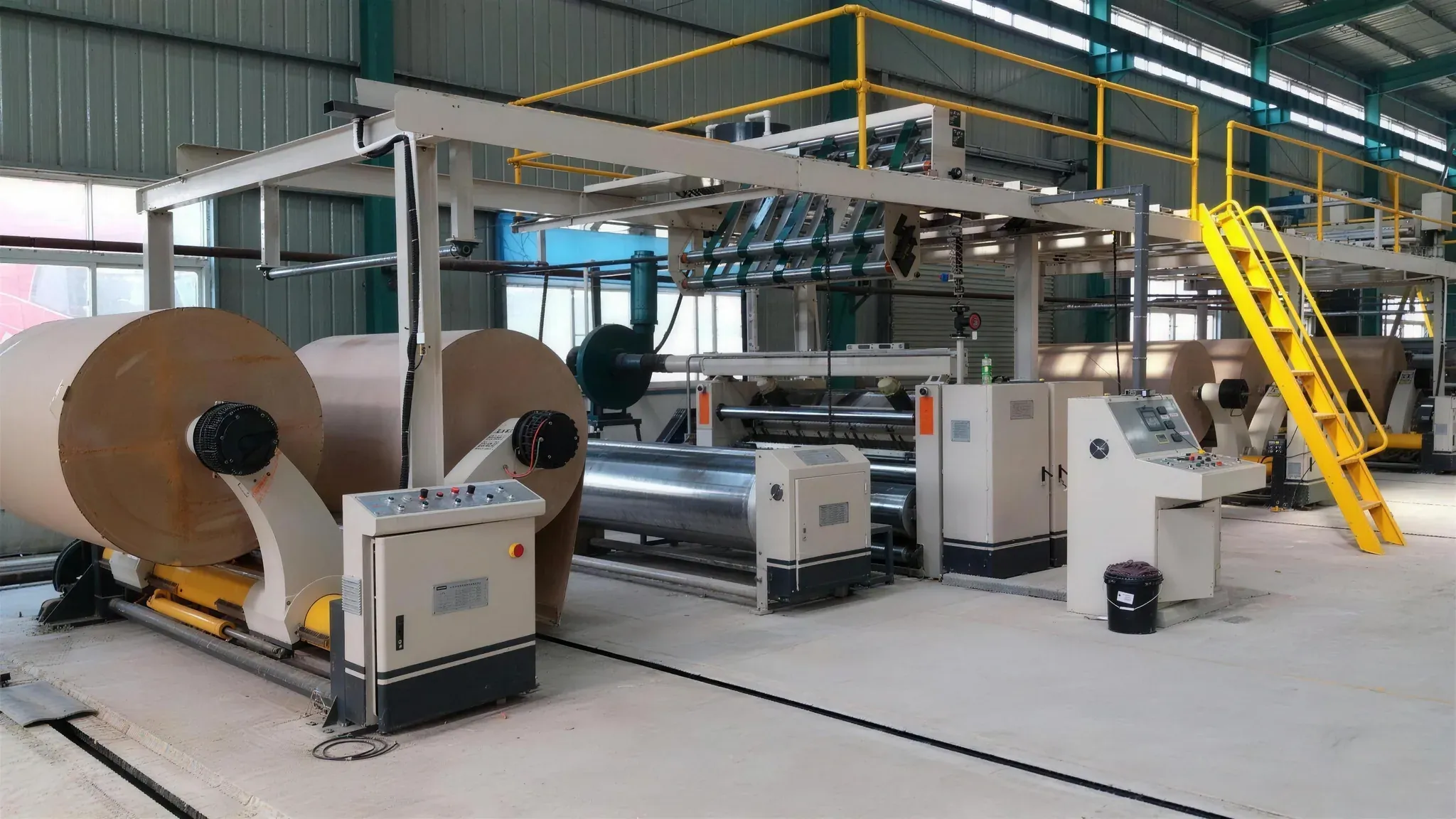
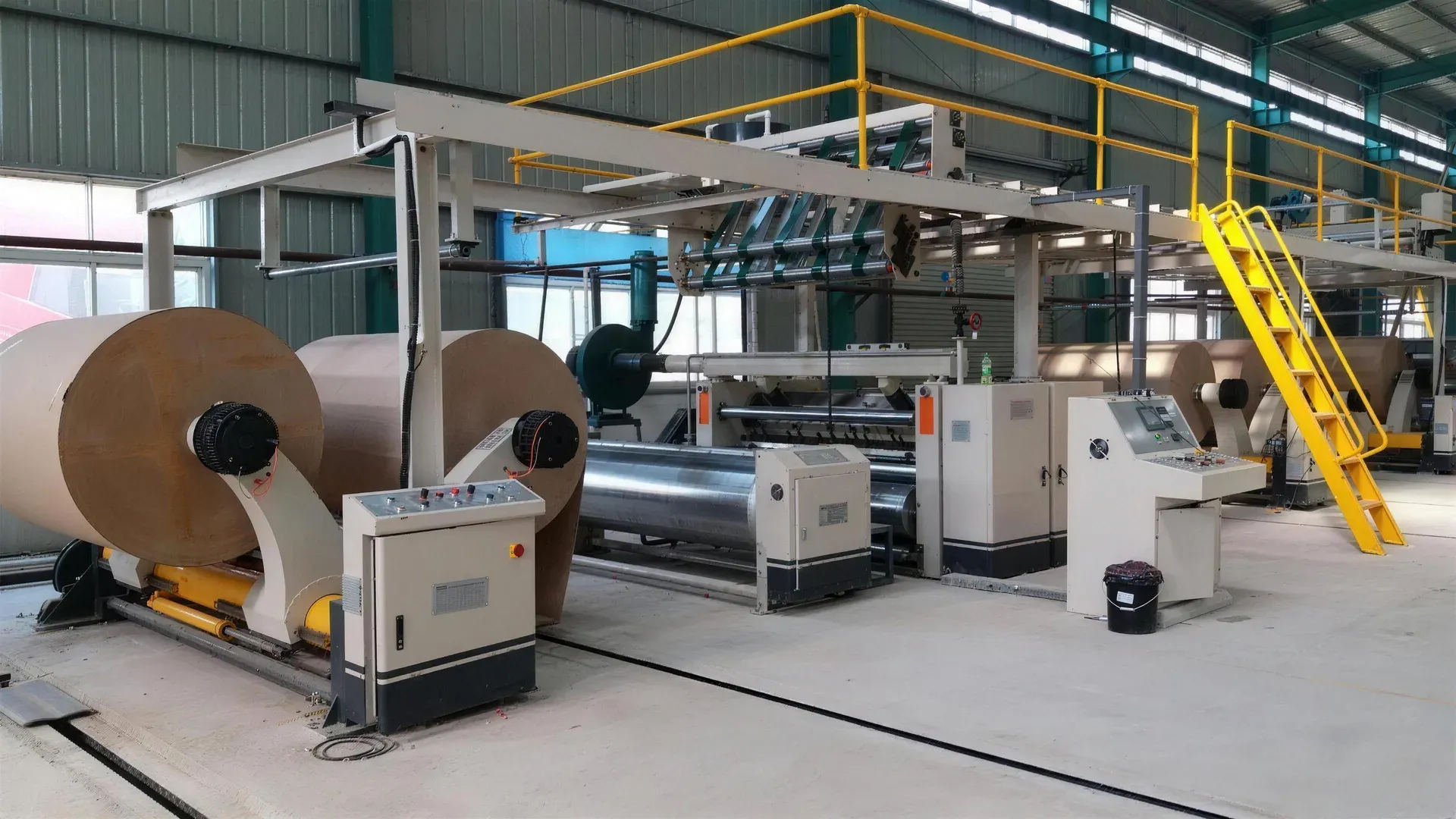
A corrugator line in a corrugated-board plant
Detail A · Corrugator
up to 20%
less fuel per tonne of board
32%
steam saved at a corrugator in Bursa, Turkey (customer-reported)
0
steam traps left on the machine

Measured at a corrugator in Rajkot, Gujarat, after a Jetomat TurboHeat retrofit; the 32% is a Baelz reference in Bursa. Read the case study

Behind every Jetomat

Jetomat® variable-nozzle thermocompressors, made in Germany by Baelz. Engineered and commissioned in India by i-Kcal.

20,000+
Baelz thermocompressors globally
28+
years of fail-safe operation in India

Where it leaks

Where your steam money goes

Six signs we look for first when we walk a corrugator plant.

  1. “I can’t say my fuel per tonne of board.”

    Kraft is priced by the market. Fuel is the big cost you still control, and without a steam meter nobody can see it move.

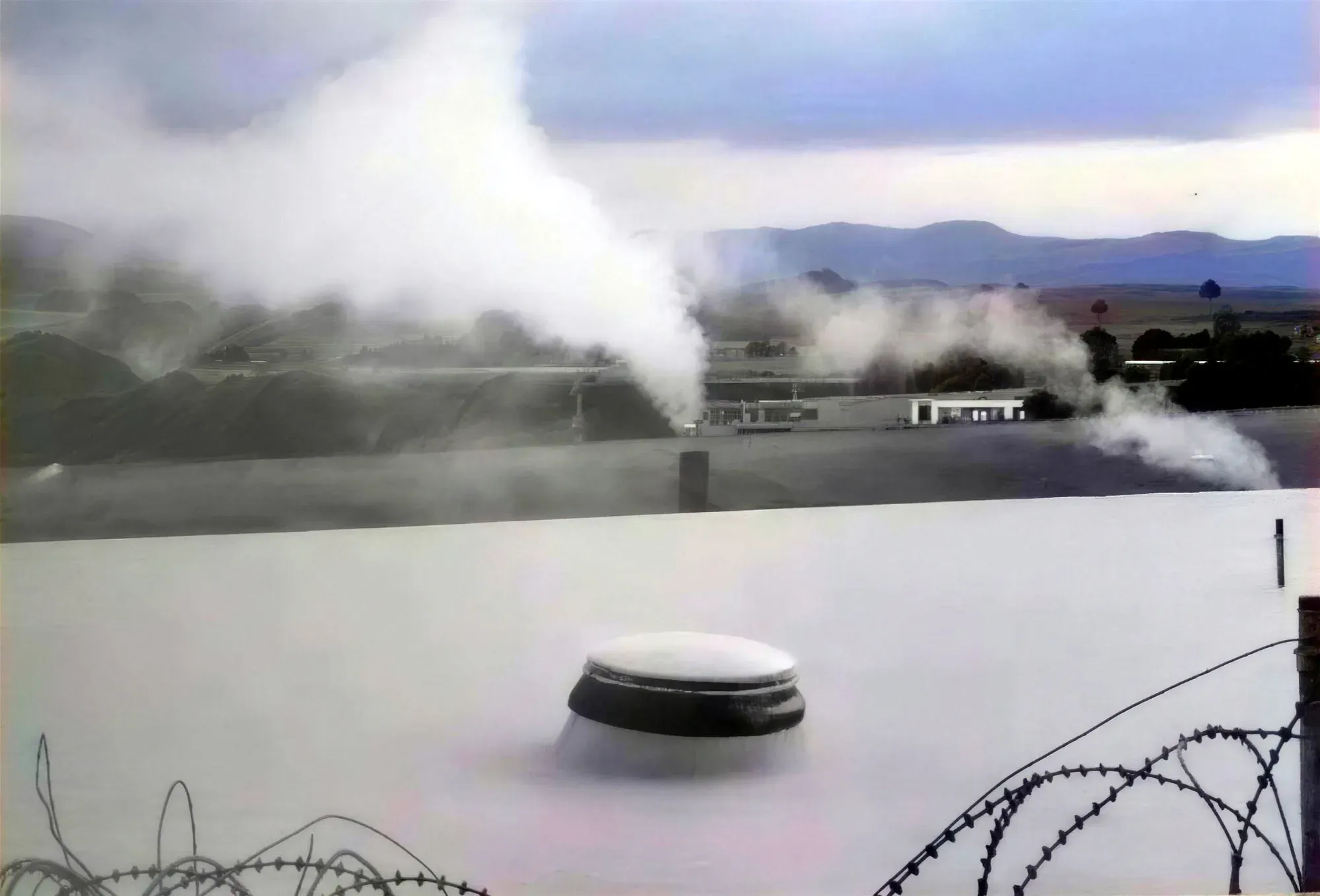
  2. “There’s a plume over the condensate tank.”

    That plume is flash steam: heat you already paid for in fuel, leaving through the roof.

  3. “Traps fail, and the bypass stays open.”

    A failed trap or a cracked bypass sends live steam straight to drain, all shift long.

  4. “The middle hot plates run cold.”

    Water and air sit in plates the traps cannot clear. The plate cools, and the board warps or bonds weakly.

  5. “Grade changes and cold mornings cost us.”

    3-ply to 5-ply, lightweight liners, speed changes and a cold machine every morning: the steam load never sits still.

  6. “The valves are set by hand.”

    Gate valves on the single facers follow the header, not the paper, and wet steam from an overworked boiler makes it worse.

What changes

What changes with i-Kcal

One closed steam loop, sized to your machine and tied into your boiler house.

  • Your fuel per tonne, on a meter, every month

    Steam flow meters on the boiler main and on each loop, and a monthly report of kg of fuel per tonne of board. Every saving is counted, not guessed from a bill.

    Vortex steam flow meter
  • The plume goes back to work

    Flash steam is recovered into the hot plates, and hot condensate returns to the boiler house under its own pressure.

    Condensate & flash recovery
  • No traps on the machine, no bypass to crack

    The closed loop clears every plate itself. No machine-side trap to fail, no bypass left open all shift.

    Jetomat thermocompressor
  • Hot plates that heat evenly

    Condensate is drawn out of the plates instead of waiting for a trap, so no plate sits half-full of water. Your zone valves stay.

    How the Jetomat works
  • Grade changes without the boiler chasing the load

    The variable nozzle follows the load through grade changes, speed changes and cold-morning start-ups.

    The variable nozzle
  • Roll temperature that follows the paper

    Baelz control valves with a controller take over from hand-set gate valves on the single facers.

    DS Smith case: Baelz control valves

Proof

Measured on a corrugator in Gujarat

Corrugator · Rajkot, India · an i-Kcal project

136 to 108 kg/t
kg of fuel per tonne of board, before and in the best month

Up to 20% less fuel per tonne of board

A plant making high-volume corrugated sheets for packaging replaced its steam traps and pressure-reducing station with a Jetomat TurboHeat closed loop; the zone control valves stay. Fuel fell from 136 to 108 kg per tonne of board in the best month, and the retrofit went in without disrupting production.

up to 20%
less fuel per tonne, best month
15–25%
typical fuel saving with a TurboHeat retrofit
0
steam traps left on the machine
Read the Rajkot case study

Some of the plants we work with

  • Saint-Gobain
  • Henkel
  • Cargill

How it works

The closed loop, in three steps

The short version. The engineering detail is on the Jetomat page.

  1. Live steam drives the loop

    High-pressure steam enters the Jetomat’s variable nozzle. The pressure you now throttle away in a reducing valve does the pumping.

  2. The plates are emptied, not trapped

    The Jetomat draws condensate and flash steam out of the hot plates by suction, so every plate stays hot and clear inside.

  3. Flash steam goes round again

    Recovered flash steam is compressed back to working pressure and fed into the plates. Only the condensate goes back to the boiler house.

Savings estimator

Estimate your fuel saving

Your fuel, your production, your hours, your fuel cost. The estimate applies a published saving band to your own numbers.

The duty

Entire machine: hot plates and single facerThe whole corrugator, as one duty.
Your numbers

From the boiler log or the fuel bills.

Tonnes of board made in the same month.

For example, 24 hours × 25 days = 600 hours.

Your own cost of a kg of fuel, for example Rs 8. Leave it blank to see tonnes only.

Your saving, from your numbers

—
tonnes of fuel saved a month
—
add your production to see kg of fuel per tonne
—
a year, at your fuel cost

15–25% of the corrugator’s fuel.

Indicative estimate, computed from your numbers. Our engineers confirm it from your data.

Typical payback: 6–18 months, depending on the application and the fuel price.

What we send back

Your kg of fuel per tonne of board, where it sits against a well-run corrugator, and the scheme that fits your machine. A steam flow meter then sets your baseline before we propose any hardware.

Add your fuel and board tonnages to the message if you have them.

What to send us
  1. Six months of fuel tonnages
  2. Board tonnages for the same six months

We reply within one working day. We use your details only to answer your enquiry. See our Privacy page.

FAQ

Corrugator industry questions

How much fuel can a corrugator save with a Jetomat TurboHeat retrofit?

Typically 15–25% of the fuel. At a corrugator in Gujarat the retrofit cut fuel from 136 to 108 kg per tonne of board, up to 20%. At a corrugated-board maker in Bursa, Turkey (a Baelz reference), the customer reports about 32% steam saved at its dryers. Read the Gujarat case study.

Do I lose zone control on the hot plates?

No. The zone temperature valves stay. Condensate leaves the plates by suction instead of waiting for a trap, so the plates stay hot and evenly heated at the same steam pressure.

Does the plant have to stop?

The Gujarat retrofit was installed with no downtime: production continued while the loop went in. We plan your tie-ins around production in the same way.

What is the payback?

Typical payback for a Jetomat is 6 to 18 months, depending on the application and the fuel price. Send six months of fuel and board tonnages and we work out what it means for your plant.

What do you need from me to size it?

Six months of fuel and board tonnages. We return your kg of fuel per tonne of board, where it sits against a well-run corrugator, and the scheme that fits your machine. A steam flow meter then sets your baseline before we propose any hardware.

Know your fuel per tonne of board

Send six months of fuel and board tonnages. We place your plant against a well-run corrugator and show the scheme that fits your machine, free.