
Tyre & rubber industry · Jetomat TurboHeat®

Less steam for every tyre cured

We close the steam loop on your curing presses. One variable-nozzle Jetomat per bank of presses keeps steam moving through every mould, takes the blow-through back and sends the condensate home hot and closed.

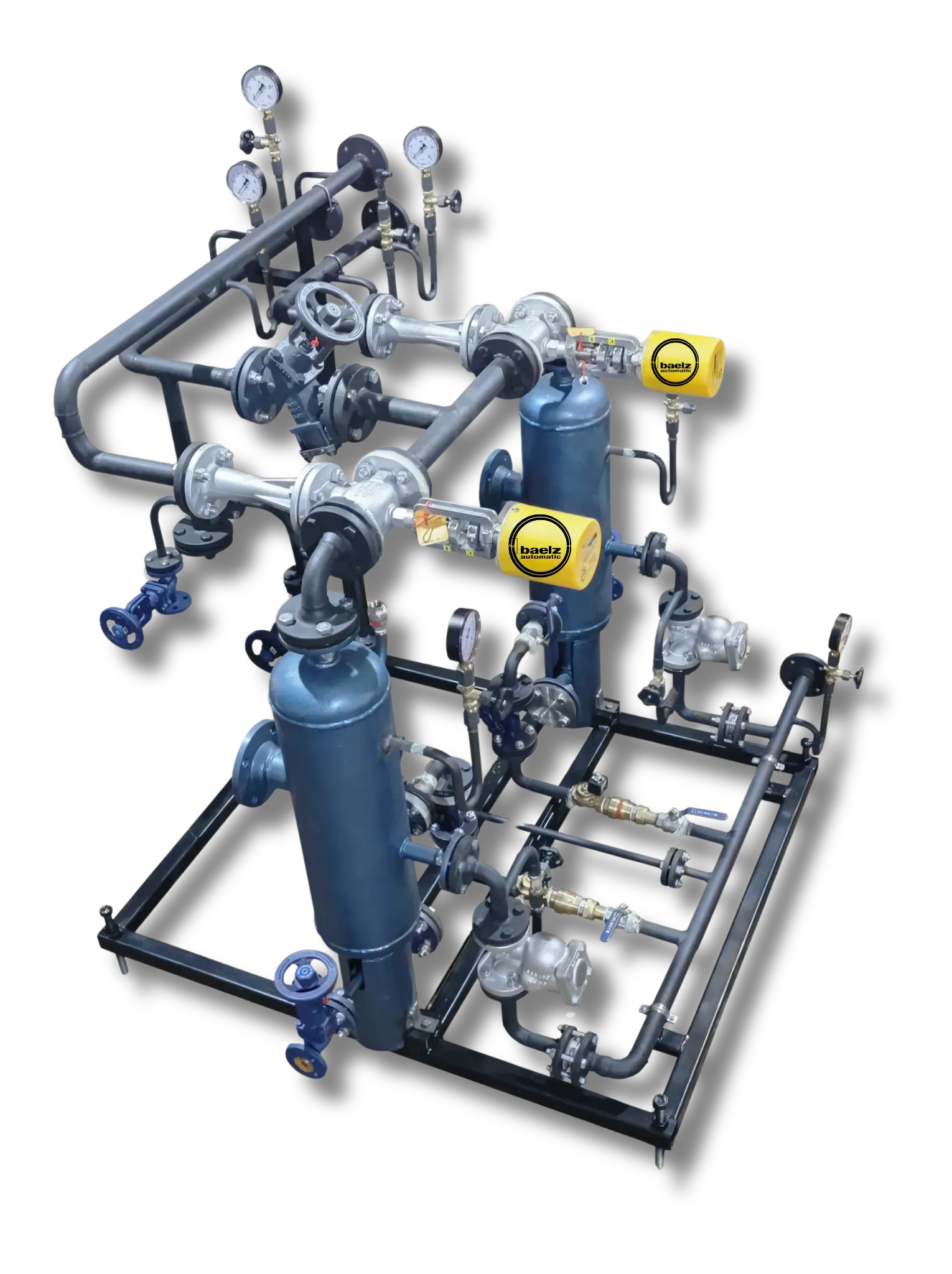
A Jetomat skid with two variable-nozzle thermocompressors and their separators, as supplied for rubber presses
Detail A · Jetomat skid
18.7%
more energy saved on a tyre press row
28.3%
less steam lost to atmosphere
5.1%
higher productivity

Behind every Jetomat

Jetomat® variable-nozzle thermocompressors, made in Germany by Baelz. Engineered and commissioned in India by i-Kcal.

20,000+
Baelz thermocompressors globally
28+
years of fail-safe operation in India
50+
projects delivered
CII
UPL’s Jetomat project, featured at the CII Energy Awards 2019

Where it leaks

Where your steam money goes

Curing presses take about four-fifths of a tyre plant’s steam, and three-fifths of the cure heat goes into the moulds. Six things we hear first when we walk a curing hall.

  1. “There’s a plume over the curing hall.”

    Mould and bladder condensate flash the moment they reach an open tank: steam already paid for, leaving through the roof.

  2. “Traps pass, and the bleeds never close.”

    A trap on every mould circuit and a timed drain or bleed on many bladders: live steam passes all three, all shift.

  3. “When a platen runs cold, the bypass gets cracked open.”

    The first fix on the floor is the trap bypass, opened a turn and left there: live steam straight to the tank.

  4. “Monday warm-up eats steam.”

    Four to six tonnes of steel per press come up to temperature after every mould change and weekend.

  5. “Wet steam reaches the press.”

    Water in the curing header adds to the bladder pool; turbine exhaust brings superheat into it.

  6. “Contaminated condensate goes to drain.”

    Fear of a worn bladder keeps all press condensate out of the boiler, though mould condensate is clean.

What changes

What changes with i-Kcal

15 to 25% of the steam heat to the moulds comes back: about 7 to 12% of the plant’s steam.

  • Every mould on one setpoint

    In saturated steam, pressure is mould temperature: the bank holds ±0.05 bar at 7 bar g, a quarter of a kelvin at every mould.

    Jetomat thermocompressor
  • The traps come off the moulds

    Every mould drains untrapped into one falling return, and the Jetomat takes the blow-through back instead of passing it to a trap.

    How the Jetomat works
  • Condensate home hot and closed

    A separator per bank, and one 3 bar g flash vessel per 25 to 50 presses on the bladder side, send the condensate back to the boiler house closed.

    Condensate & flash recovery
  • Curing never waits for the Jetomat

    The Jetomat fails closed and a bypass opens at the same setpoint: curing continues.

    Talk to an engineer
  • The bladder side, closed safely

    The bladder drain and exhaust go to closed recovery; the start-of-cure air purge stays vented, and a conductivity and turbidity guard diverts only a bad batch.

    Condensate & flash recovery
  • Steam per cure, on a meter

    A compensated steam meter on the bank and a totaliser on its return show the kg of steam behind every cure.

    Vortex steam flow meter

Proof

The bank on a tyre press row

Tyre curing presses · South Korea

27.6%
less fuel oil

One jet on the mould header, every mould into one closed vessel

On a tyre press row in South Korea, one controlled Jetomat sits on the mould-heating header and every mould drains untrapped into one closed vessel that feeds it. Each press has its own Jetomat on the bladder side, and the purge steam is recovered.

15.8%
less water
18.7%
more energy saved
Read the case study
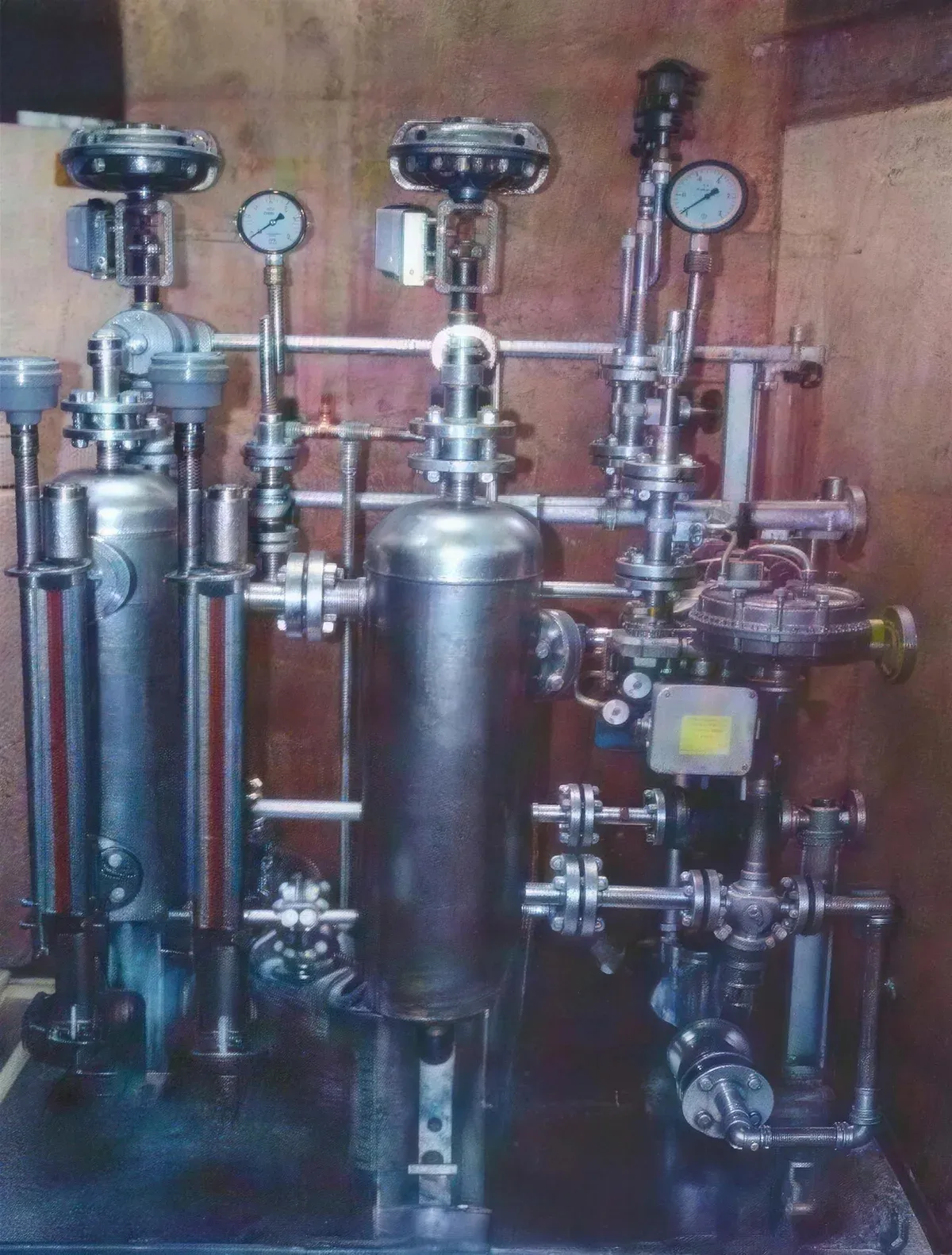
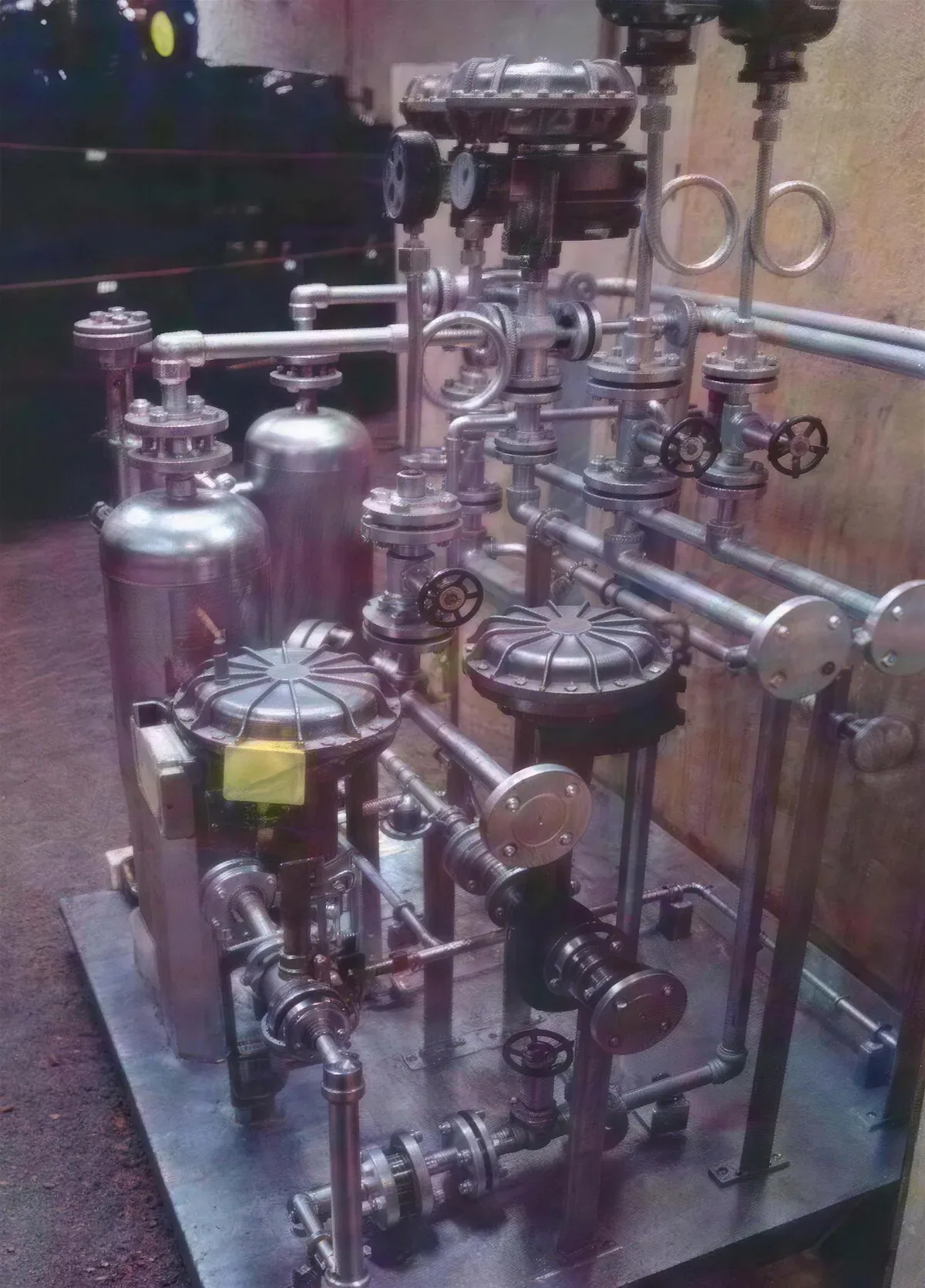
The Jetomat skid on the tyre press row: separators, control valves and gauges on one frame The same Jetomat skid from the side

How it works

The bank, in three steps

The short version. The engineering detail is on the Jetomat page.

  1. Live steam drives the bank

    High-pressure steam from the bladder header enters the Jetomat’s variable nozzle and does the pumping.

  2. The moulds are swept, not trapped

    The bank supply feeds every press in parallel; each press returns through its own isolation, balancing and non-return valves into one falling return and the bank separator.

  3. Blow-through goes round again

    The separator’s vapour is the Jetomat’s suction, so the blow-through returns to the moulds; only the condensate goes back to the boiler house, hot and closed.

How the Jetomat thermocompressor works

Next step

Talk to an engineer

Tell us about your curing hall and send us the ten numbers below.

The ten numbers

  1. Press types and counts
  2. Mould pressure, and how it is held
  3. Where the press condensate goes
  4. The bladder drain
  5. The header pressures
  6. Cure times
  7. The steam meters you have
  8. The boiler house
  9. Other steam users
  10. The hall layout

What we send back

A first number for your bank, or a date for a site visit. A 15 to 30 day log on your meters then sets the guaranteed number.

Add the ten numbers to the message if you have them.

We reply within one working day. We use your details only to answer your enquiry. See our Privacy page.

FAQ

Tyre & rubber industry questions

How much steam can a tyre plant save?

15 to 25% of the steam heat to the moulds, about 7 to 12% of plant steam. Your own meters set the number.

Will it touch my cure?

Only the mould-side steam path changes; the bladder sequence stays the press’s own. Every press gets a return-temperature alarm, and a cure-start permissive can tie the bank into your press PLC.

What happens if the Jetomat faults?

It fails closed, the bypass opens at the same setpoint and curing continues. A press fault is isolated by that press’s own valves.

Has this been done on tyre presses?

Yes. A tyre press row in South Korea runs the same bank, and Michelin’s tyre presses reuse 15 tonnes of press exhaust steam a day through Jetomat jet pumps. i-Kcal’s Jetomats run on presses, a corrugator and dryers in Indian plants.

Our presses are domes, or run different recipes.

Domes stay off the bank: a Jetomat per press or closed dome-flash recovery. Different recipes get a bank per setpoint, or a Jetomat per press.

Our bladders run on nitrogen.

Where the bladder runs on nitrogen or hot water, the mould-side bank works the same.

Our boiler pressure falls at every shift start.

Space the cure starts in the press controls first; then a steam accumulator charged from spare steam stores what spacing leaves. i-Kcal designs and supplies the accumulator.

Does it work on other rubber presses?

Yes: belts, hose, moulded goods and drums, wherever steam is blown through a platen, drum or chamber. Conveyor-belt vulcanising presses take a Jetomat per platen, or one Jetomat on two platens in parallel.

What is the payback?

Typical payback for a Jetomat is 6 to 18 months, depending on the application and the fuel price. Send the ten numbers and we work out what it means for your bank.

Know your steam per cure

Send the ten numbers. We show the bank that fits your curing hall and what it brings back, free.