

Paper & tissue industry · Jetomat TurboHeat®

Less steam for every tonne of paper

We close the steam loop on your paper machine. A variable-nozzle Jetomat on each dryer group takes the blow-through back into the group, so the drums drain at speed and the steam per tonne comes down.

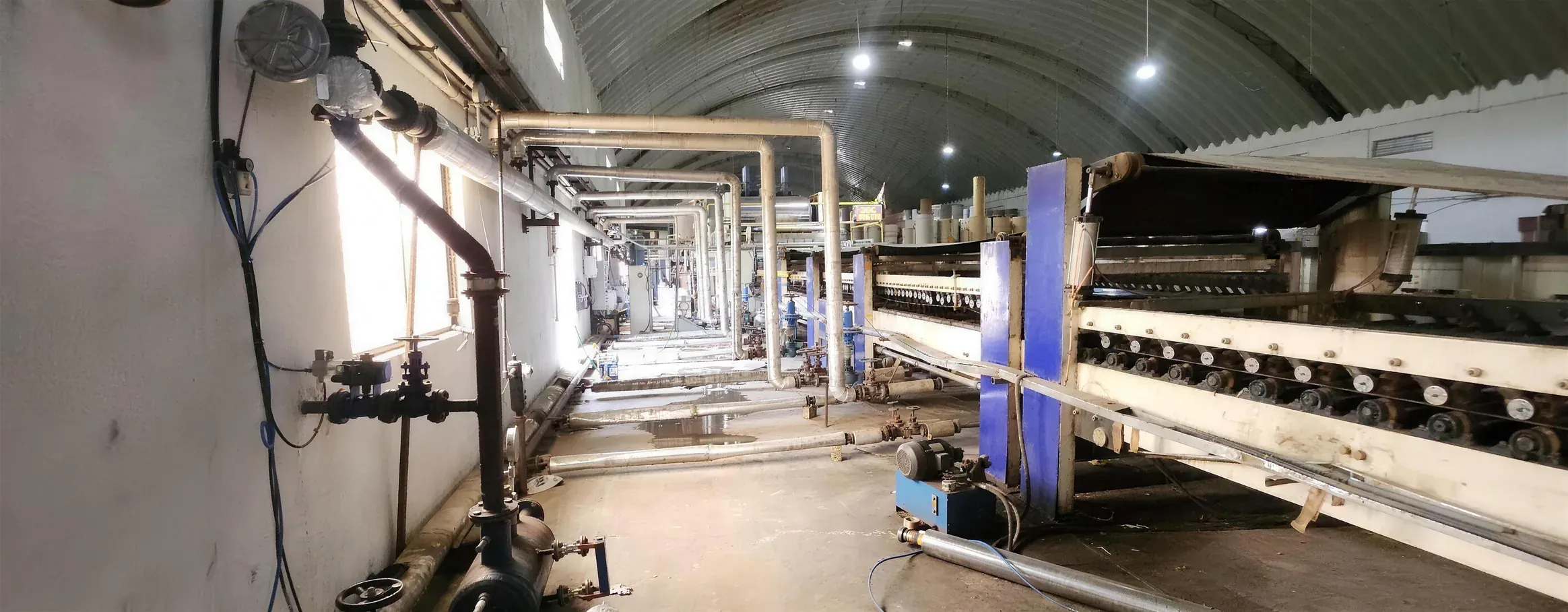
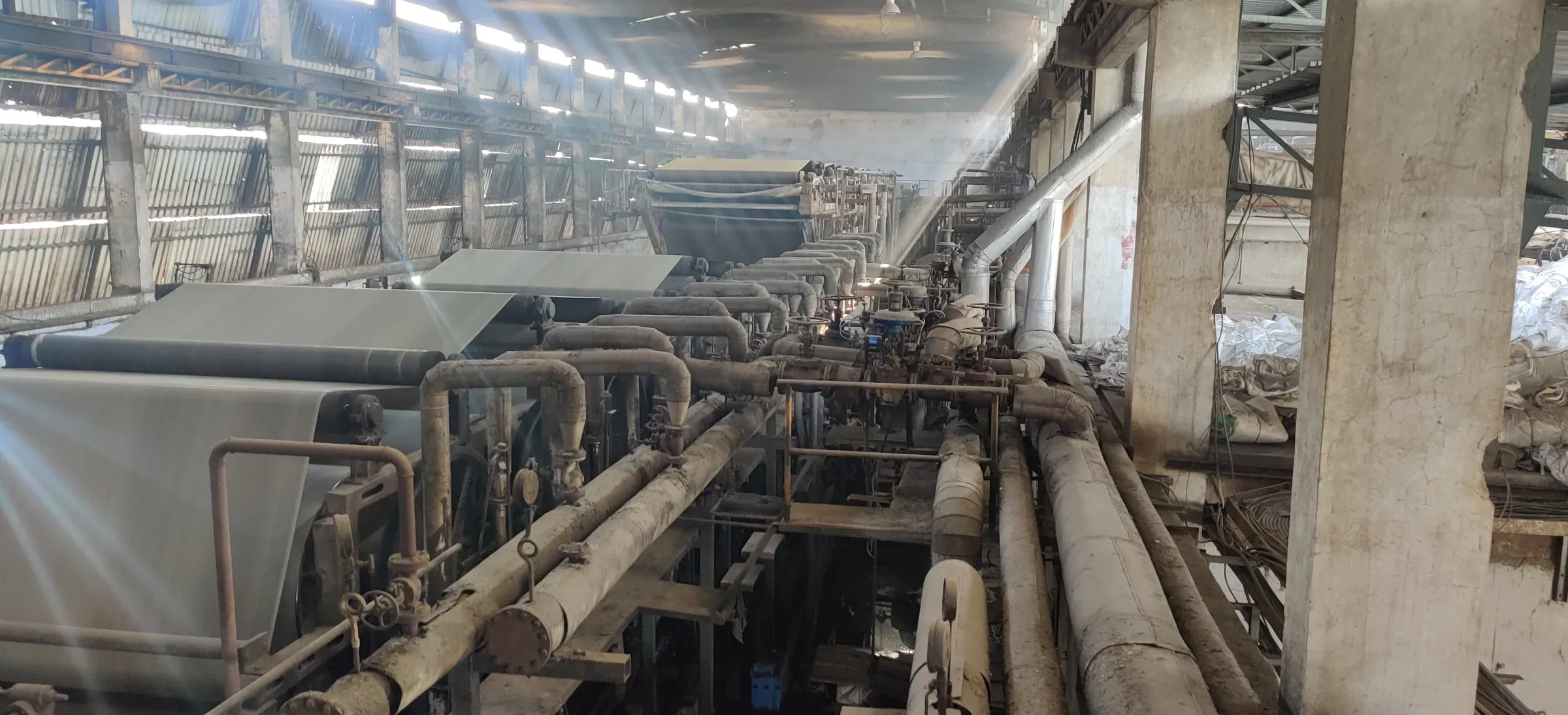
Steam and condensate piping along the dryer section of a paper machine
Detail A · Dryer section
2.6 to 2.2 t
steam per tonne of paper on one paper machine
up to 30%
less steam
6–18 months
typical payback

Behind every Jetomat

Jetomat® variable-nozzle thermocompressors, made in Germany by Baelz. Engineered and commissioned in India by i-Kcal.

20,000+
Baelz thermocompressors globally
28+
years of fail-safe operation in India
50+
projects delivered
CII
UPL’s Jetomat project, featured at the CII Energy Awards 2019

Paper mills we work with

  • Pudumjee
  • Hardoli Paper Mills

Where it leaks

Where your steam money goes

Six things we hear first when we walk a paper mill.

  1. “Flash goes up the vent.”

    Condensate from the dryer groups lands in an open or low-pressure tank, and its flash leaves through the roof.

  2. “Traps can’t drain a fast dryer.”

    At speed the condensate rims inside the drum; a trap on each cylinder cannot clear it, and a failed trap passes live steam.

  3. “The cascade ties every group to the next.”

    Each group’s blow-through feeds the one below, so one group’s pressure sets another’s, and the last group’s steam goes to the condenser.

  4. “The reducing station throws the pressure away.”

    High-pressure steam is throttled down to dryer pressure while flash vents at low pressure elsewhere on the machine.

  5. “A sheet break dumps steam.”

    The condensing load collapses on a break; fixed differential control keeps blowing through, and the steam goes to the vent.

  6. “The Yankee floods or dries unevenly.”

    A Yankee has no lower group to take its blow-through; when it cannot all come back, the cylinder floods.

What changes

What changes with i-Kcal

Steam you already paid for, back in the dryer section: from the separators, the flash vessel and the reducing station.

  • One Jetomat per dryer group

    A variable-nozzle Jetomat draws the separator vapour back into the same group header, so the drums drain and the blow-through is used again.

    Jetomat thermocompressor
  • A thinner condensate film, a faster machine

    Faster steam in the drums keeps the condensate film thin, so the heat reaches the sheet evenly and the machine can run faster.

    How the Jetomat works
  • Flash into the lowest group

    A closed flash vessel collects the group condensate, and a Jetomat lifts its flash into the lowest-pressure group instead of the vent.

    Condensate & flash recovery
  • A Yankee that keeps its blow-through

    On a Yankee or MG cylinder, the Jetomat brings all the blow-through back under flow control with a pressure override, at speed and on a break.

    Jetomat thermocompressor
  • Condensate home hot, feedwater hot

    Closed condensate return to a pressurised deaerator keeps the heat and the treated water in the boiler house.

    Deaerator
  • Know what leaks, and what you save

    Acoustic inspection of valves and traps, and a compensated steam meter on the machine main.

    Valve & trap leak detection

Applications

Where steam works hardest in a paper mill

From the dryer groups to the boiler house: the duties we fit, and what each one changes.

  1. Recirculation

    Dryer groups

    ProblemBlow-through from a group’s separator goes to the next group, the condenser or the vent, and trapped drums flood as the machine speeds up.

    What changesOne variable-nozzle Jetomat per group draws the separator vapour back into the same group header. The drums drain at any speed, and the blow-through is used again instead of dumped.

    Jetomat thermocompressor
  2. Flash recovery

    Condensate flash

    ProblemCondensate from the groups lands in an open or low-pressure tank, and its flash goes up the vent.

    What changesA closed flash vessel collects the group condensate, and a Jetomat lifts its flash into the lowest-pressure group.

    Condensate & flash recovery
  3. Tissue

    Yankee cylinder

    ProblemA Yankee is one cylinder with no lower group, so all its blow-through has to come back to it; when it cannot, the cylinder floods and the sheet dries unevenly.

    What changesA Jetomat on the Yankee supply brings all the blow-through back under flow control, with a pressure override and a controlled warm-up.

    Jetomat thermocompressor
  4. Kraft and board

    MG cylinder

    ProblemOn kraft and board machines the MG cylinder carries a Yankee-type steam duty inside the dryer section, and often sets the machine’s speed.

    What changesThe same single-cylinder scheme as the Yankee: a Jetomat returns the MG’s blow-through and keeps the cylinder draining as the speed goes up.

    Jetomat thermocompressor
  5. Control

    Breaks and grade changes

    ProblemOn a sheet break the condensing load collapses; fixed differential control keeps blowing through, and the steam goes to the vent.

    What changesFlow control on the Jetomat’s spindle, with a pressure low-select, follows the load down on a break and back up after it, on one nozzle body.

    Jetomat thermocompressor
  6. Recompression

    Pressure letdown

    ProblemHigh-pressure steam is throttled down to dryer pressure at the reducing station, while flash vents at low pressure elsewhere on the machine.

    What changesA Jetomat uses the same pressure drop to lift that flash to header pressure; the reducing station stays as the standby.

    Jetomat thermocompressor
  7. Pressure boost

    Pulp-side stoves

    ProblemStoves and vessels on the pulp side need more pressure than the low-pressure header gives, so each fill takes longer.

    What changesA controlled Jetomat blends low-pressure steam with high-pressure motive steam and delivers the pressure the stove needs, so more goes through each fill.

    Jetomat thermocompressor
  8. Flash use

    Hood air

    ProblemYankee hood air is often heated by its own steam coil, while the Yankee’s condensate flashes to atmosphere.

    What changesFlash from the Yankee’s condensate heats the hood’s fresh air in a preheater coil, so the coil needs less live steam.

    Condensate & flash recovery
  9. Hot condensate home

    Condensate and feedwater

    ProblemCondensate is dumped or comes back cold to an open feed tank, and the boiler takes cold, oxygen-rich water.

    What changesClosed condensate return to a pressurised deaerator keeps the feedwater hot and the oxygen out, and keeps the treated water in the plant.

    Deaerator
  10. Measure first

    Metering and leak survey

    ProblemMany mills do not know the steam to each dryer section, and leaking traps and valves go unseen.

    What changesA compensated steam meter on the machine main sets the baseline, and an acoustic survey shows which traps and valves leak, so every change is measured against it.

    Vortex steam flow meter

Proof

Proven on a paper machine’s dryer section

Paper mill · Guangdong, China

2.6 to 2.2 t
steam per tonne of paper

The control valves came out; controlled Jetomats went in

At a corrugated-paper mill in Guangdong, the drum dryers of the paper machine ran on control valves from a 15 bar supply, with a thick condensate film in the drums. Variable-nozzle Jetomats replaced the valves: faster steam in the drums, a thinner film, more even drying, a faster machine and less steam for every tonne.

about 15%
less steam
faster
production speed
even
heat across the drums
Read the case study

How it works

The Jetomat, in three steps

The short version. The engineering detail is on the Jetomat page.

  1. Live steam drives the Jetomat

    Steam from the header enters the variable nozzle and does the pumping.

  2. It draws in the blow-through

    The jet pulls the vapour from the group’s separator, or the flash from the condensate vessel.

  3. Back into the group

    The mixture goes back into the group header at the pressure the drums need, and the nozzle follows the load through grade changes and breaks.

How the Jetomat thermocompressor works

Next step

Talk to an engineer

Tell us about your machine and send us the ten numbers below.

The ten numbers

  1. Steam to the machine, and how you know it
  2. Production, grades and speed
  3. Press-exit dryness and reel moisture
  4. The dryer groups: cylinders, pressures, differentials
  5. How each group drains, and the syphons
  6. Where the blow-through and flash go
  7. Condensate return and the deaerator
  8. Where the motive steam comes from
  9. Fuel and its price
  10. Yankee and hood, if you make tissue

What we send back

A first number for your machine, or a date for a site visit.

Add the ten numbers to the message if you have them.

We reply within one working day. We use your details only to answer your enquiry. See our Privacy page.

FAQ

Paper & tissue industry questions

What does a Jetomat do on a paper machine?

It takes the blow-through from a dryer group’s separator, compresses it with live steam and puts it back into the same group, so the drums drain and the steam is used again. Flash from the condensate vessel can go the same way, into the lowest group.

Does it work on a Yankee or an MG cylinder?

Yes. A single cylinder has no lower group to take its blow-through, so all of it must come back; a Jetomat under flow control with a pressure override does that at speed and on a sheet break. A Jetomat runs on the Yankee of a speciality-paper mill in Pune.

How much can we save, and how fast does it pay back?

Up to 30% less steam on the duties it fits; on one paper machine’s dryers, steam per tonne of paper fell from 2.6 t to 2.2 t. Typical payback: 6–18 months, depending on the application and the fuel price.

Can it follow grade changes and sheet breaks?

Yes. The variable nozzle opens and closes with the load on one body, and flow control keeps it from dumping steam on a break.

Do the traps on the dryers go?

On a group with a Jetomat, the drums drain through the separator and the blow-through comes back, so the cylinders do not need a trap each.

What about the condensate and the boiler house?

Closed condensate return to a pressurised deaerator keeps the feedwater hot and the treated water in the plant. i-Kcal builds pressurised deaerators in India and has commissioned them in paper mills.

Is there rotating machinery to maintain?

No. The Jetomat has no rotating machinery; only the nozzle spindle moves, and there is no seal or lubricant in the steam path.

Send us your dryer-group pressures

We show where your blow-through and flash can go back into the machine, and what it brings back, free.