

Less steam per metre of fabric

We replace the control valves on your drum dryers and wash baths with Jetomat thermocompressors. The traps come off, the condensate film thins and vented steam goes back to work.

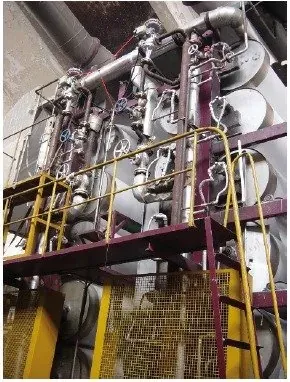
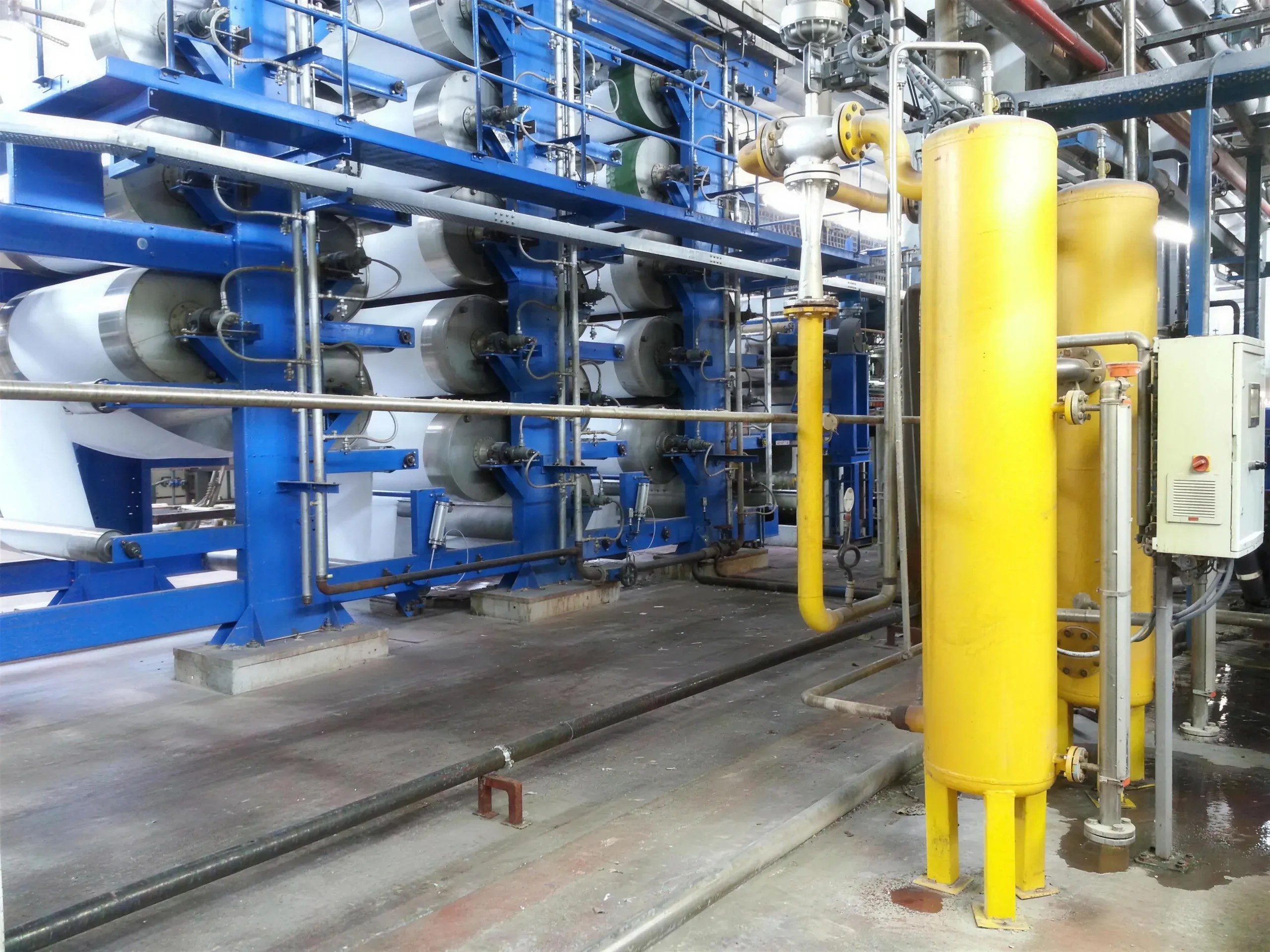
Jetomat thermocompressors on the drum dryers of a textile line
Detail A · Drum dryers
about 20%
less steam on a three-row drum-dryer stage
about 15%
less steam in washing and drying, Turkey
about 2 ×
the fabric speed on the same steam, drying tower in Spain

From Baelz references abroad, the maker of the Jetomat. Read the washing and drying case

Behind every Jetomat

Jetomat® variable-nozzle thermocompressors, made in Germany by Baelz. Engineered and commissioned in India by i-Kcal.

20,000+
Baelz thermocompressors globally
28+
years of fail-safe operation in India

Textile plants on Baelz actuators

  • We have been associated with i-Kcal Systems, Pune. All the Baelz actuators that we have purchased from them have been working satisfactorily. We, M/s Kudu Knit Process Pvt Ltd, are happy to recommend i-Kcal Systems, Pune as providers of Baelz make instruments.

    Kudu Knit Process Pvt. Ltd., Ludhiana
  • I would like to express my sincere gratitude to i-Kcal Systems Engineering LLP, whose products, specifically the Baelz electrical automation (actuator motor), are performing exceptionally well in our company. Thank you to both Baelz and i-Kcal Systems Engineering LLP for this.

    Ghanshyam Singh, Purchase Manager, Chur Textiles Ltd., Bhiwandi

Where it leaks

Where your steam money goes

Six things we hear first when we walk a processing house.

  1. “A control valve and a trap on every drum and bath.”

    The valve throttles good steam down, the traps cycle or get bypassed, and live steam walks out with the condensate.

  2. “Drying sets the line speed.”

    With valve control the condensate film stays thick inside the drums. Heat moves slower, and the operator slows the machine to dry evenly.

  3. “There’s a white plume over the roof.”

    Low-pressure steam from washers and dryers goes up the vent while the same plant buys 3 bar g steam from the boiler.

  4. “Hot water for dyeing arrives late, and the exchanger scales.”

    Dye machines, jiggers and washers want big volumes of hot water on demand. Shell-and-tube sets and coil tanks add lag and scale.

  5. “Traps and valves fail, and nobody knows which.”

    A leaking valve or a failed trap looks like any other. It passes steam all shift until someone finds it.

  6. “There’s no steam number per section.”

    Without a meter on each section, nobody can say what a dryer or a wash range costs, or prove what a change saved.

What changes

What changes with i-Kcal

The control valves come out, the Jetomat goes in, and every section gets its own steam number.

  • About 15–20% less steam on dryers and wash baths

    Jetomat thermocompressors in place of the control valves: two Baelz textile references saved about 15% and about 20%, at a lower supply pressure to the same machines.

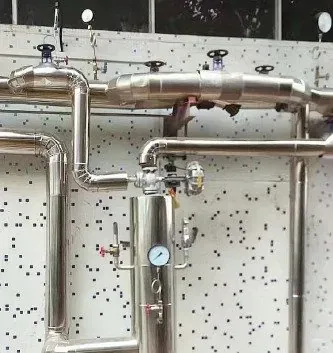
    Jetomat thermocompressor
  • The drum traps come off

    Condensate is drawn out by suction, so the trap on each drum and bath comes off. Both references removed them.

    How the Jetomat works
  • A faster line, better drying

    Thinner condensate films and steadier pressure gave higher production speed and better drying quality in the dryer reference. The variable nozzle follows the load as fabric and speed change.

    The dryer reference
  • The plume goes back to work

    Vent steam is recompressed to the pressure your consumers need, 1 kg for 1 kg, and hot condensate at 110–145 °C returns to the feed tank.

    Condensate & flash recovery
  • Hot water on demand, with less steam

    A steam-based hot water generator heats dye and wash water the moment it is called for. The indirect unit uses 10–15% less steam than a plate-exchanger set.

    Hot water generator
  • Find the leaks, count the steam

    Our steam-trap survey with Trap Sense finds the failed traps and Valve Sense the leaking valves, without stopping the line, and steam flow meters give each section its own number.

    Trap Sense

Proof

Measured on textile lines abroad

Textile · Turkey · Baelz reference

about 15%
less steam in washing and drying

Five drum dryers and six wash baths on less steam

A textile washing and drying factory replaced its control valves and traps with Baelz 590 controlled ejectors, the Jetomat TurboHeat. Both sections now run at a lower supply pressure with about 15% less steam, no steam traps, better heat distribution and better drying quality.

about 15%
less steam, dryers and baths
4.5 → 4
bar g to the dryers, same drying
0
steam traps left
Read the case study

Some of the plants we work with

  • Premier Fine Linens
  • Sky Textiles India
  • Shahi

How it works

The Jetomat on a dryer, in three steps

The short version. The engineering detail is on the Jetomat page.

  1. Live steam drives the ejector

    High-pressure steam enters the Jetomat’s variable nozzle where the control valve used to throttle it.

  2. The drums are emptied, not trapped

    The Jetomat draws condensate and flash steam out of the drums by suction, so the film inside stays thin.

  3. Flash steam goes round again

    Recovered steam is compressed back to working pressure and fed into the drums. Only the condensate goes back to the boiler house.

Savings estimator

Estimate your steam saving

Your steam flow, your hours, your steam cost. The calculation applies only the published textile references to your own numbers.

Pick the duty
Your numbers

From a meter or the boiler log. For scale: a three-row dryer stage ran 200–600 kg/h, six wash baths 800–1,000 kg/h.

For example, 24 hours × 300 days = 7,200 hours.

Your own cost of a kg of steam. Leave it blank to see kg and tonnes only.

Your saving, from your numbers

—
kg of steam an hour
—
tonnes of steam a year
—
a year, at your steam cost

Basis: 15–20% of the section’s steam: about 15% in washing and drying, about 20% on a three-row dryer stage.

Indicative estimate, computed from your numbers. Our engineers confirm it from your data.

Typical payback: 6–18 months, depending on the application and the fuel price.

Not used above: up to 30% for ejectors in compression where flash steam is recovered.

Send your readings to our engineers

Your numbers go into the form below. Our engineers check them against your section and come back with a range for your plant before you commit.

We reply with a range for your plant, from your own readings.

We reply within one working day. We use your details only to answer your enquiry. See our Privacy page.

FAQ

Textile industry questions

How much steam can a textile dryer or wash range save?

Two Baelz textile references show about 15% (washing and drying, Turkey) and about 20% (a three-row dryer stage). Replacing the control valves with controlled ejectors also took the drum traps off. We give you a range from your own readings before you commit. Estimate your saving.

Why do valve-controlled dryers waste steam?

The valve throttles steam instead of reusing it, the condensate film inside the drums stays thick, and traps and bypasses pass live steam. Active condensate removal and a variable nozzle that follows the load fix the cause.

Can we use the steam our washers and dryers vent?

Yes. A controlled thermocompressor takes the 2 bar g steam, adds a little 8 bar g motive steam and delivers 3 bar g to the consumers. Every kg recovered replaces 1 kg of new steam, and the design vents no exhaust steam at all.

Does one unit cope with different fabrics, speeds and loads?

Yes. The Jetomat’s variable nozzle adjusts to the load, and pressure and temperature setpoints can be set for different fabrics.

What about hot water for dyeing and washing?

A steam-based hot water generator mixes steam straight into the water for instant hot water with 100% heat transfer, or heats it indirectly with 10–15% less steam than a plate-exchanger set.

What is the payback?

Typical payback across our applications is 6–18 months, depending on the application and the fuel price. The savings estimator above gives the steam side from your own numbers.

Know your steam per section

Run the savings estimator with your own steam figures, or send us your readings. We come back with a range for your plant before you commit.