Services · Piping projects
Steam piping engineered around your process
We start where the steam is used: which process, at what pressure, how much and when. The network is designed from there for throughput and efficiency, with its condensate and flash steam brought back into use. Engineering, IBR approvals, erection and commissioning, turnkey or engineering only.
In short
- Designed from the process outward: where and how each user takes steam sets the pressures, the sizes and the controls, for throughput and efficiency.
- Circular by design and costing the least to run: lines drained and trapped right, insulated, the condensate and flash steam brought back into the cycle.
- Turnkey, or engineering only: one team from the first PFD to steam-on, or our drawings and your contractor.
- Under the Boilers Act, 2025 and the Indian Boiler Regulations, 2026: drawings approved before erection, certified welders, hydrotest before steam, the IBR file handed over.
- Built for a salt and chemicals plant in Kutch and a chemical plant in Jhagadia.
What we build
Steam and condensate piping, end to end
From the boiler stop valve to the condensate tank, and the stations in between.
Steam mains and distribution
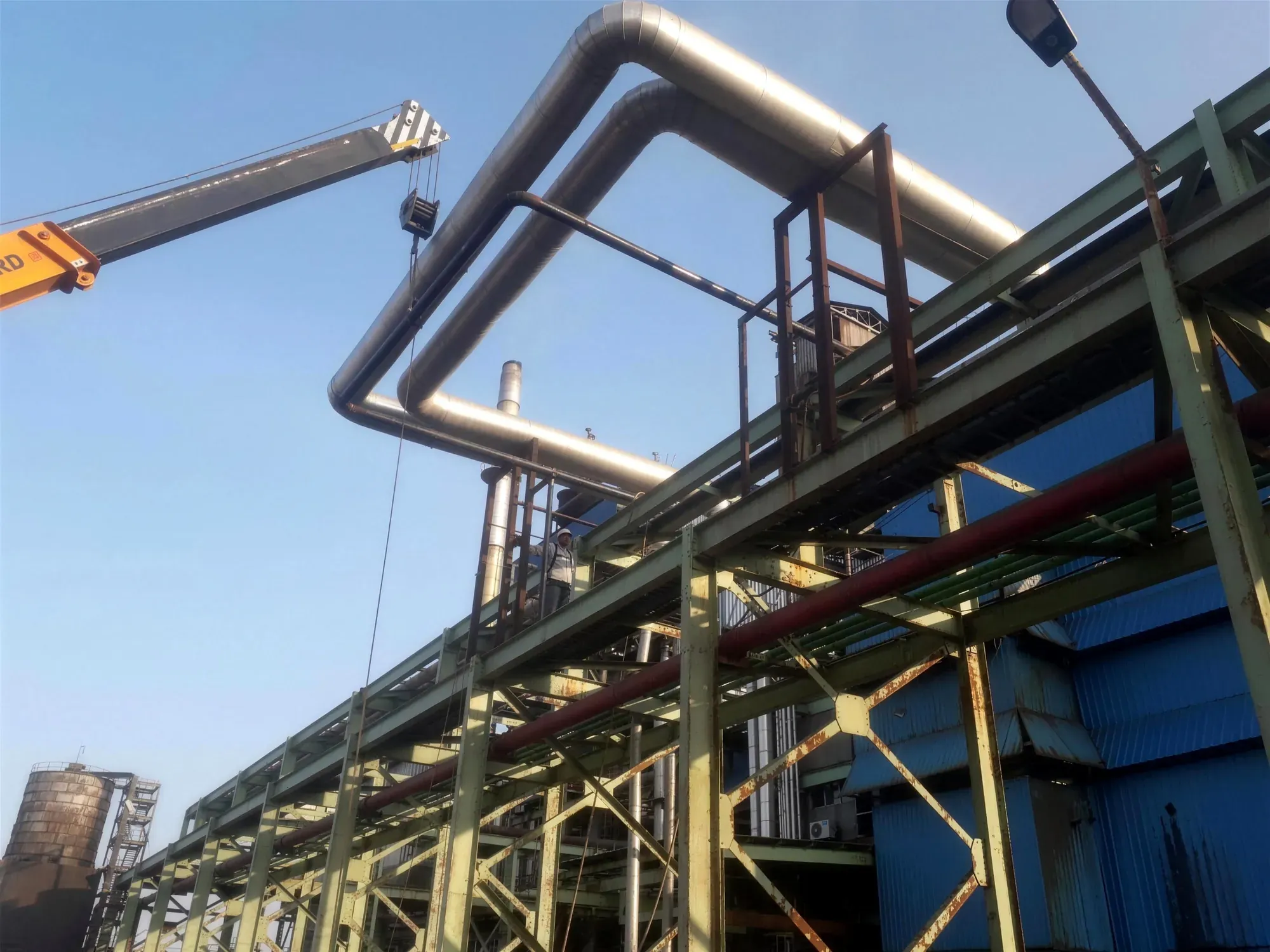
Headers, mains and branches sized on velocity and pressure drop, with drip legs and mains traps, expansion loops and supports, and the insulation closed over them.
Condensate return and flash steam lines
Return lines sized for two-phase flow, flash vessels, and pumped or pressure return to the feed tank, so the heat comes back instead of going to drain.
Pressure-reducing and desuperheating stations
PRS and DSH stations with their safety valves, the outlet pipe grown to the lower-pressure size, and the spec break drawn where the class changes.
Tie-ins for Jetomat® and condensate recovery systems
Motive, suction and discharge piping for a variable-nozzle Jetomat® thermocompressor, and the flash vessel and recovery tie-ins, into a running plant.
Two ways to buy
Turnkey, or engineering only
Turnkey means one team and one responsibility from the first PFD to steam-on. Engineering only means you hold our drawings and your contractor builds to them. The engineering is the same in both.
| Work | Turnkey | Engineering only |
|---|---|---|
| Engineering and drawings | We do it | We do it |
| IBR approvals | We do it | We prepare the drawings and forms; your contractor files them |
| Materials | We supply, with test certificates | Your contractor, to our specification |
| Fabrication and erection | We do it | Your contractor |
| Testing | We do it | Your contractor |
| Commissioning and handover | We do it | Your contractor |
Brownfield · Greenfield
Into a running plant, or from a bare site
Two kinds of job, two sequences. The engineering is the same; the order of work is not.
Brownfield: a running plant
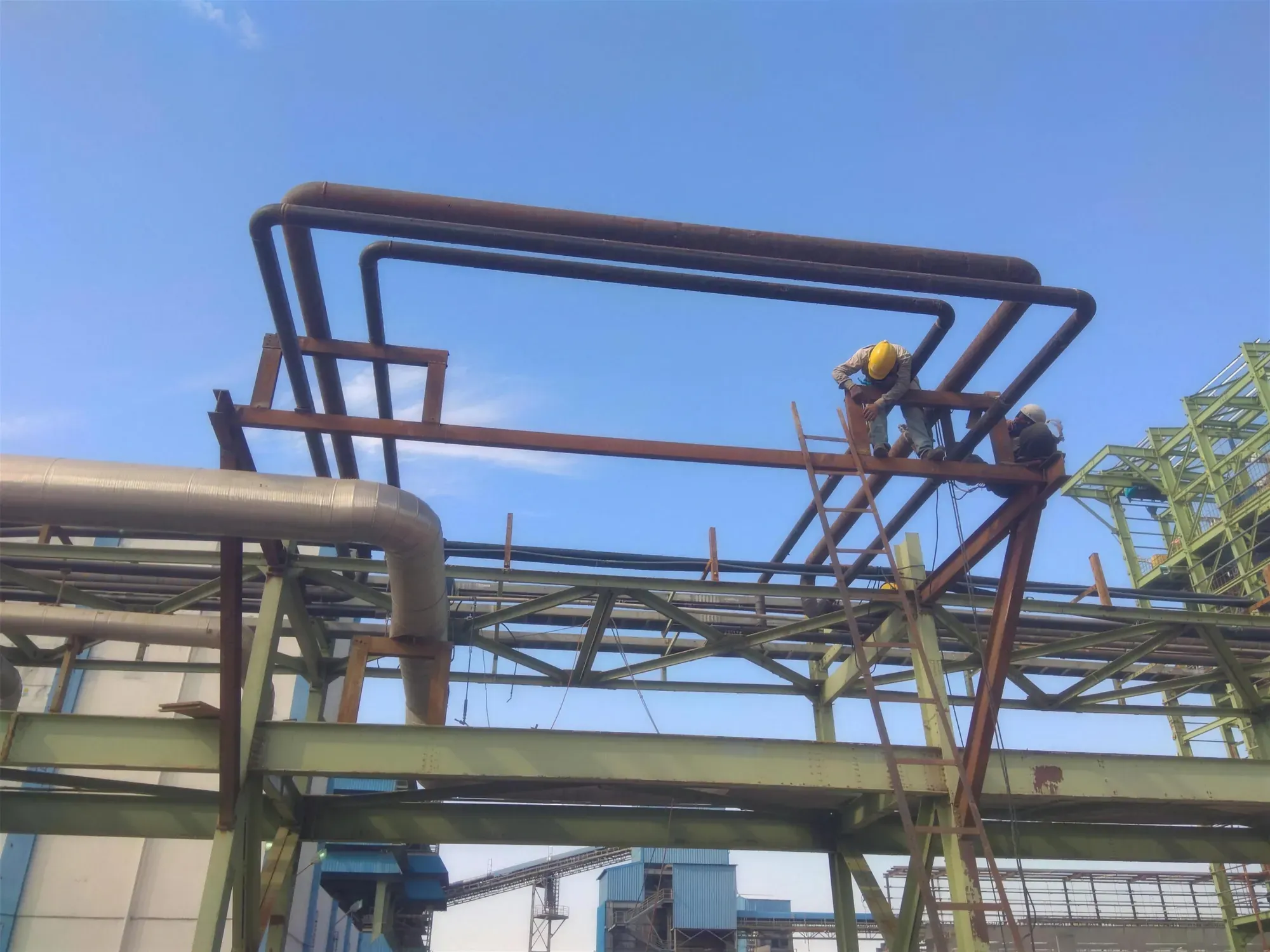
- Study before cutting. We walk the lines, read the as-built drawings and measure what the plant does today before any pipe is cut.
- Match what is there. New headers and branches match the pressure class and steel of the lines they join. Tie-ins are planned for your shutdown window, and the stress check is redone where a hot line gains a branch.
- Bring the losses back. The new line returns what the old one lost: condensate brought back, flash steam used, traps that fit the duty, insulation closed.
- Tune and connect. PRS, DSH and Jetomat® stations are set on your plant, and their instruments are wired to your existing control system where you want them.
Greenfield: a new plant
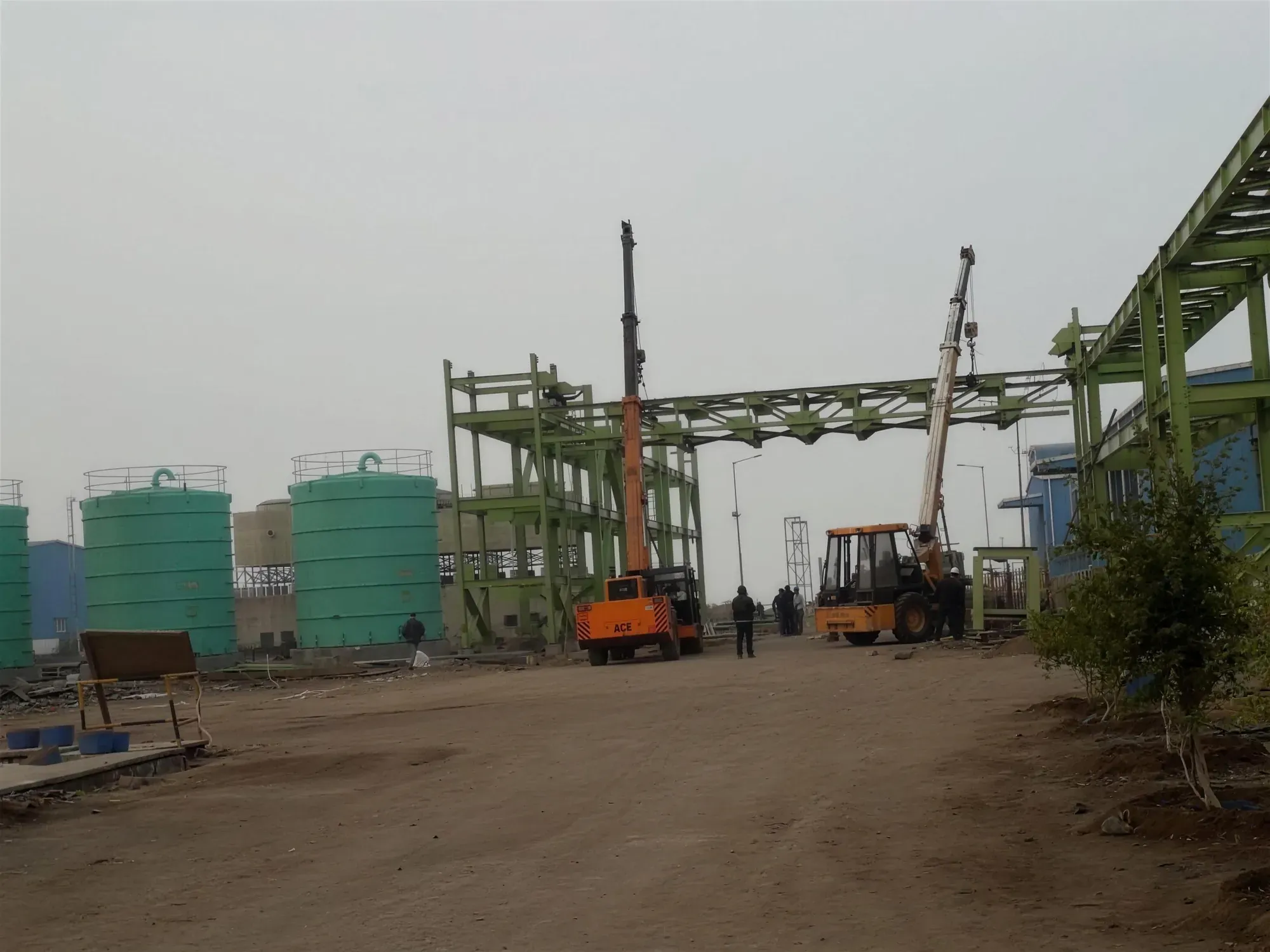
- Plan from the load list. From your steam users and their duties we fix the pressure levels, the header routes and the standby philosophy, and size every main on velocity and pressure drop.
- Model the hot lines. Isometrics, supports and stress analysis: expansion loops, guides and anchors placed before the steel is ordered.
- Build to the approved drawing. Pipe with its test certificates, IBR fabrication and welding to the approved drawing, NDT and hydrotest before the insulation goes on.
- Commission with your team. Flushing and warm-up, traps and stations set, and the line handed over with its as-built drawings and IBR file.
How a job runs
Five steps, and what you hold at the end of each
The same five steps on every job, turnkey or engineering only.
-
Line details and site visit
You send the line sizes, lengths, pressures and temperatures, and the drawings you have. For a brownfield job we visit the site and walk the route.
You receive: our scope note and offer.
-
Engineering
P&ID, line list, sizing, stress analysis where the line is hot or long, isometrics with the bill of materials.
You receive: the drawings for your approval, then the IBR submission.
-
IBR approval and materials
The drawings go to the boiler directorate before erection. Pipe, fittings and valves arrive with their test certificates and are checked against the approved drawing.
You receive: the approved drawings and the material certificates.
-
Fabrication, erection and testing
We fabricate, erect and weld the line to the approved drawing. A weld map, radiography and NDT to the approved drawing, hydrotest before the insulation goes on.
You receive: the weld, NDT and hydrotest records.
-
Commissioning and handover
Flushing and warm-up, traps and stations set, the line put on steam with your team.
You receive: the as-built drawings and the IBR file.
Codes
IBR first, ASME where your specification asks
Two questions decide every metre of steam pipe: does IBR govern this line, and what does the duty ask of the steel and the joints.
- The Boilers Act, 2025 replaced the Act of 1923. The Indian Boiler Regulations, 2026, published in the Gazette of India on 1 October 2026, replaced IBR 1950.
- A steam pipe is under IBR when it carries steam above 3.5 kg/cm² g (about 3.4 bar g), or when its bore is above 254 mm at anything over 1 kg/cm² g (section 2(r) of the Act).
- Drawings are approved before erection. Work on an IBR steam pipe is done by a boiler repairer certificate holder under a competent person, and the welders hold IBR welder certificates.
- A hydrotest comes before steam, and before the insulation hides the welds.
- Condensate and low-pressure lines outside IBR get the same discipline: sized bores, rated components, welded joints, documented steel.
- ASME B31.1 (power piping) for steam and condensate, and B31.3 (process piping), where your specification calls for them.
Documents
What you receive
The file that stays with the line.
- P&ID and line list
- Sizing calculations
- Stress analysis, where the line needs it
- Isometrics with the bill of materials
- IBR forms and the approved drawings
- Welding procedure and welder records
- NDT and hydrotest records
- As-built drawings
Projects
Two IBR piping projects in Gujarat
i-Kcal's own piping jobs, from the order register.
-
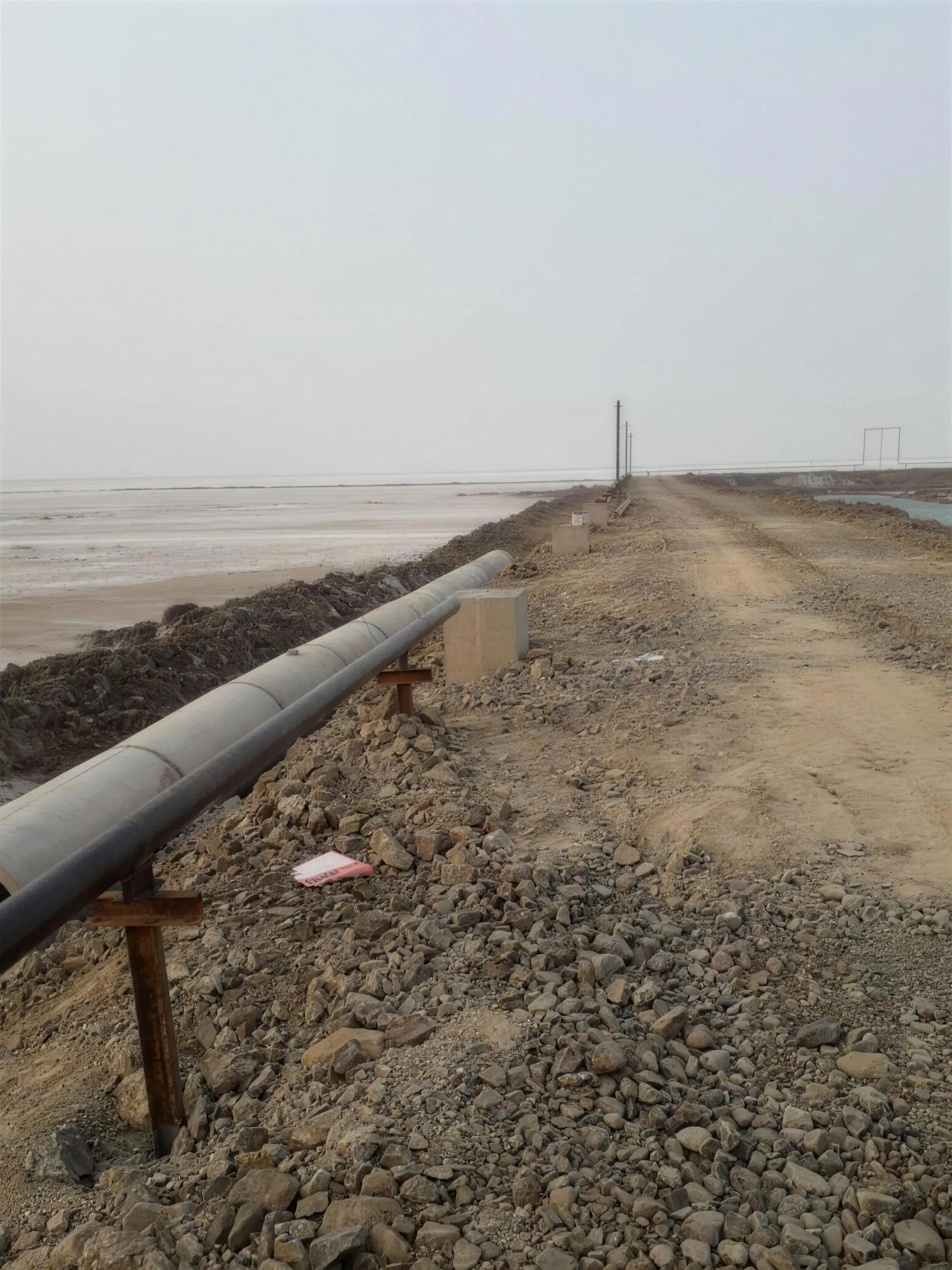
Salt and chemicals plant
About 5 km of 100 NB IBR steam line in SA106 Gr B across the salt works, with three pressure-reducing stations, after a steam system study of the plant. Design 15 kg/cm² g (14.7 bar g) at 323 °C, hydrotested at 30 kg/cm² g. Finite-element stress analysis with wind load, isometrics, IBR approvals, erection and commissioning.
-
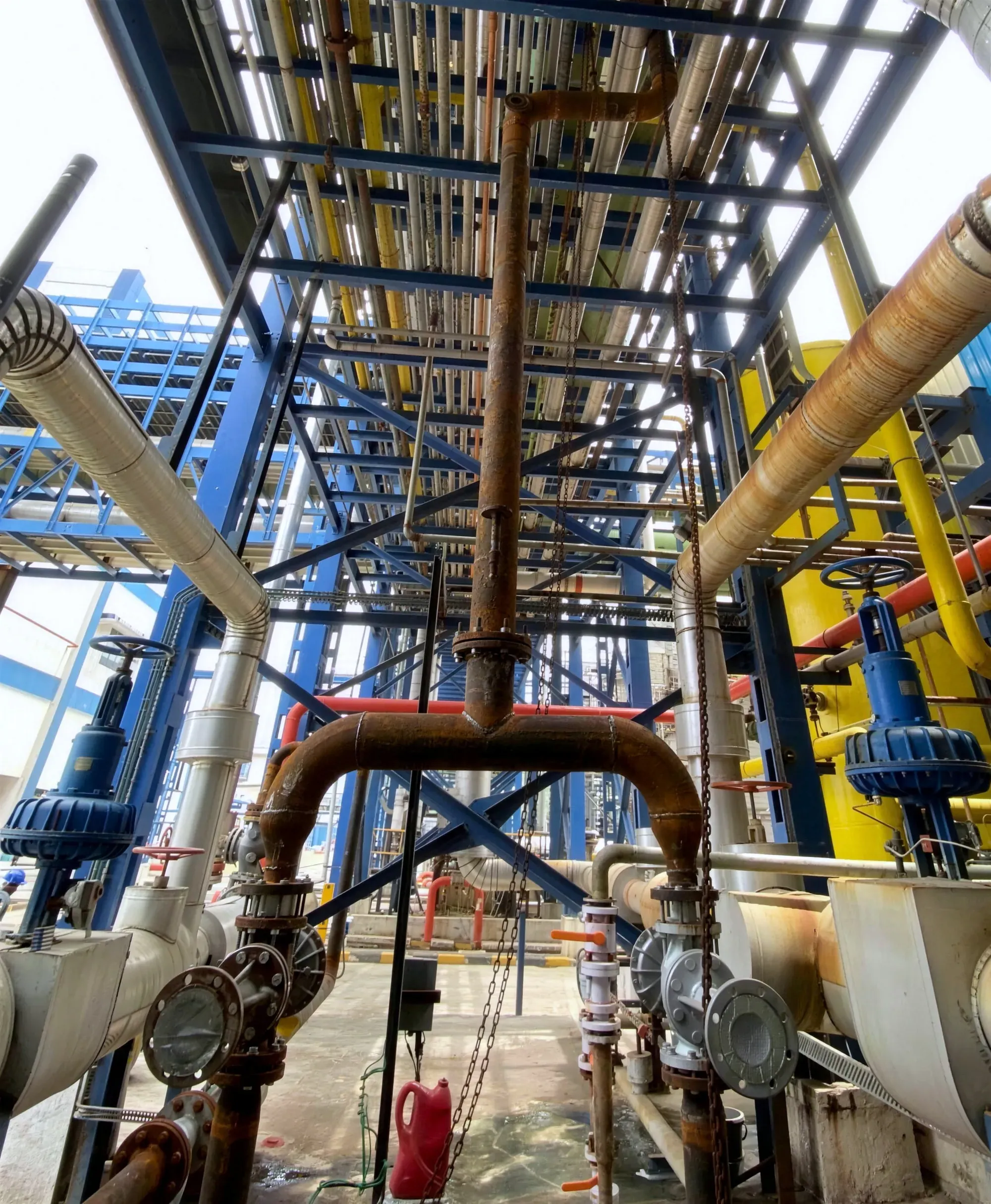
Chemical plant
Turnkey IBR piping, approvals and installation, in phases from 2020: 200 NB and 100 NB steam lines in SA106 Gr B at 18.5 kg/cm² g (18.1 bar g) working pressure, the steam and condensate piping around a variable-nozzle Jetomat® installation, supports placed from the stress analysis, flushing and commissioning.
The founder's record
Before founding i-Kcal in 2017, Nitant Harani engineered and executed steam and utility projects in his earlier career: steam and condensate piping with flash recovery for a chemical plant at Dahej (2011); thermic-fluid and utility piping for a film plant near Vadodara (2015–16); IBR steam, flash and condensate piping for board plants in Maharashtra and Gujarat (2016–17); a hot-water system audit and redesign for a tube plant in north Gujarat (2008–11); and a steam line with a pressure-reducing and desuperheating station from a captive power plant to a blast furnace in Goa (2013–15). That record is his own; the projects above are the company's.
FAQ
Steam piping questions
When does a steam pipe come under IBR?
When it carries steam above 3.5 kg/cm² g (about 3.4 bar g), or when its bore is above 254 mm at anything over 1 kg/cm² g, under section 2(r) of the Boilers Act, 2025. Most plant steam mains qualify. Condensate lines and low-pressure branches after a PRS usually do not, and we build them to the same discipline.
Can you do the engineering only?
Yes. We deliver the P&ID, line list, sizing, stress analysis, isometrics with the bill of materials and the IBR drawings for approval, and your contractor builds to them.
Does a brownfield job need a shutdown?
The tie-ins do. We plan them for your shutdown window: spools fabricated beforehand, the hot work inside the window, the hydrotest before the line is insulated. The rest of the work runs with the plant on steam.
What should I send for a quote?
Line sizes and lengths, the pressure and temperature of each line, the flows in kg/h, and the drawings you have: a P&ID, a layout, or photos of the route. For a brownfield job, the shutdown dates.
Should we audit the steam system first?
Often, yes. A steam audit finds where the losses are before a line is drawn, and its findings become the piping scope. See our steam audit and engineering service.
Have a steam line to design or build?
Send us the line details and the drawings you have. We will come back with a scope note and an offer.