Why "No Moving Parts" Is the Wrong Thing to Want in an Ejector
A fixed-nozzle ejector has no moving parts and one duty point. When the load moves, the moving part comes back as a valve in its motive line. Why the spindle is the part worth having.
On this page
A plant’s flash steam rises and falls with its process load. The enquiry for a thermocompressor asks for one with “no moving parts”, because moving parts wear. A fixed-nozzle ejector meets that wish exactly, and it holds one duty point. When the load moves, the recovery moves away from it.
How a variable nozzle follows a moving load, part by part: Controllable vs fixed steam ejectors.
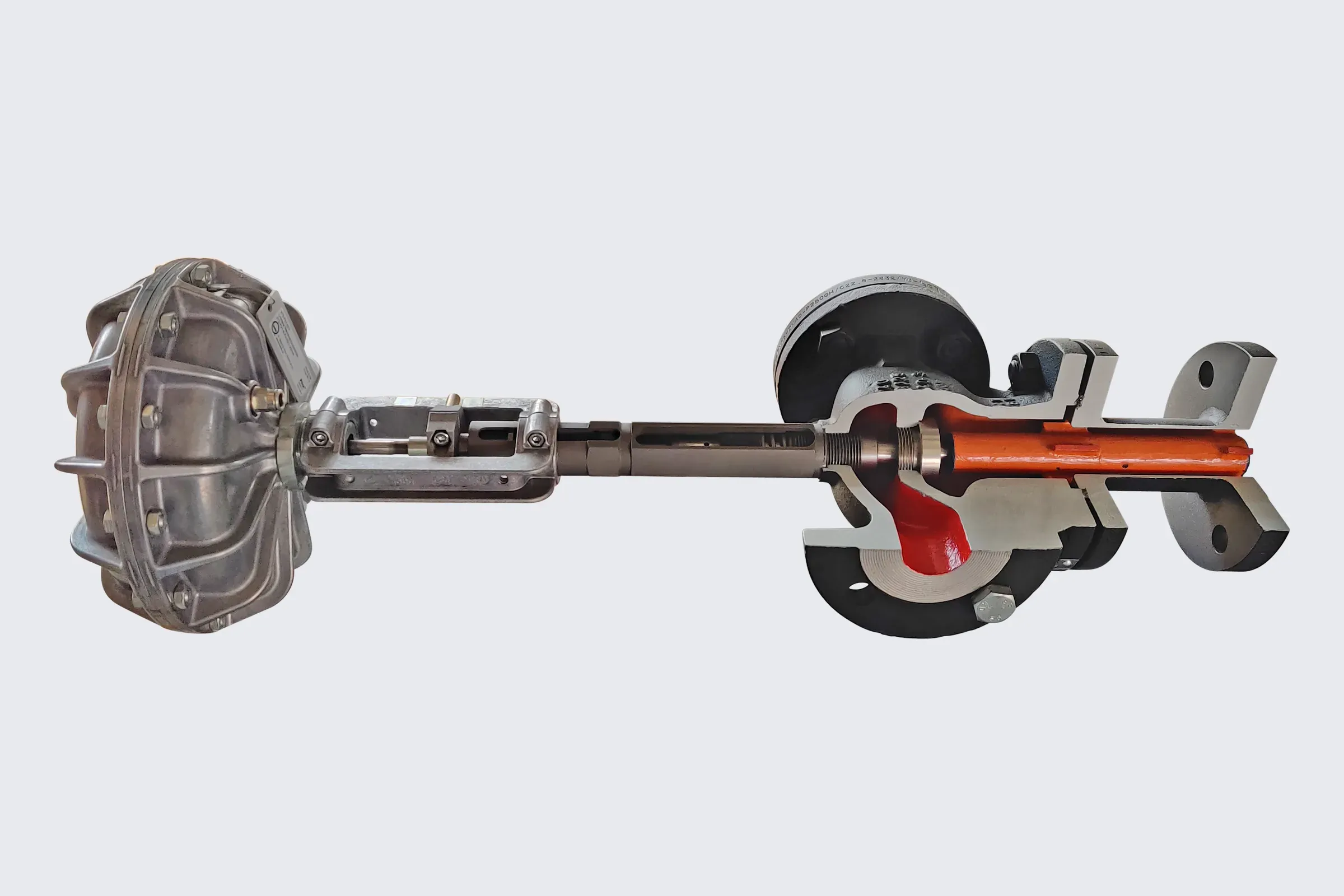
“No moving parts” sounds like reliability, and on a steady duty it is. On a moving load it is the wrong thing to ask for, because the moving part does not go away. It moves to a worse place. The cover shows the alternative: a sectioned Baelz controllable-nozzle ejector, with the spindle running into the nozzle. (Photo: Baelz.)
What a fixed nozzle gets right
A fixed-nozzle thermocompressor is three stationary pieces: nozzle, mixing section and diffuser. It is simple, it costs less and there is nothing to maintain. Ejector makers’ own literature, quoted in our academy deep-dive on thermocompressors, says what it is for: a steady load, at a single set of suction, discharge and motive pressures. One maker puts its fixed-orifice unit’s suitability at roughly ±10 % around the design point.
On a continuous, single-product, flat-load process that is the better engineering, and a fair offer should say so in writing.
Where the moving part goes
The trouble starts when the load drops. A fixed throat at a fixed motive pressure passes a fixed flow of motive steam, whether or not there is flash to carry. Something has to cut the motive back, and on a fixed-nozzle installation that something is a control valve in the motive line.
Baelz set out what happens next in a note to us comparing the two designs. To lower the load, the control valve in the motive line closes. The pressure at the nozzle falls while the opening stays the same. Lower pressure means a slower jet, and a slower jet draws less suction. Their example, given only to illustrate the principle: at 5 bar the steam leaves the nozzle at about 500 m/s; throttled to 2 bar, at about 200 m/s, and the suction falls with it. In their words, “Saving is reduced.”
So the “no moving parts” ejector has a moving part after all: a valve plug upstream, in the one place where throttling destroys the pressure the nozzle exists to use. On high-lift duties the academy lesson goes further. Above a compression ratio of about 1.8 the makers rule motive throttling out, and a weakened jet risks the break, where entrainment collapses and does not return until conditions are restored beyond the failure point. What is left is on/off running, venting the surplus, or a bank of fixed units switched in steps. A bank steps; a load moves.
What the one moving part does
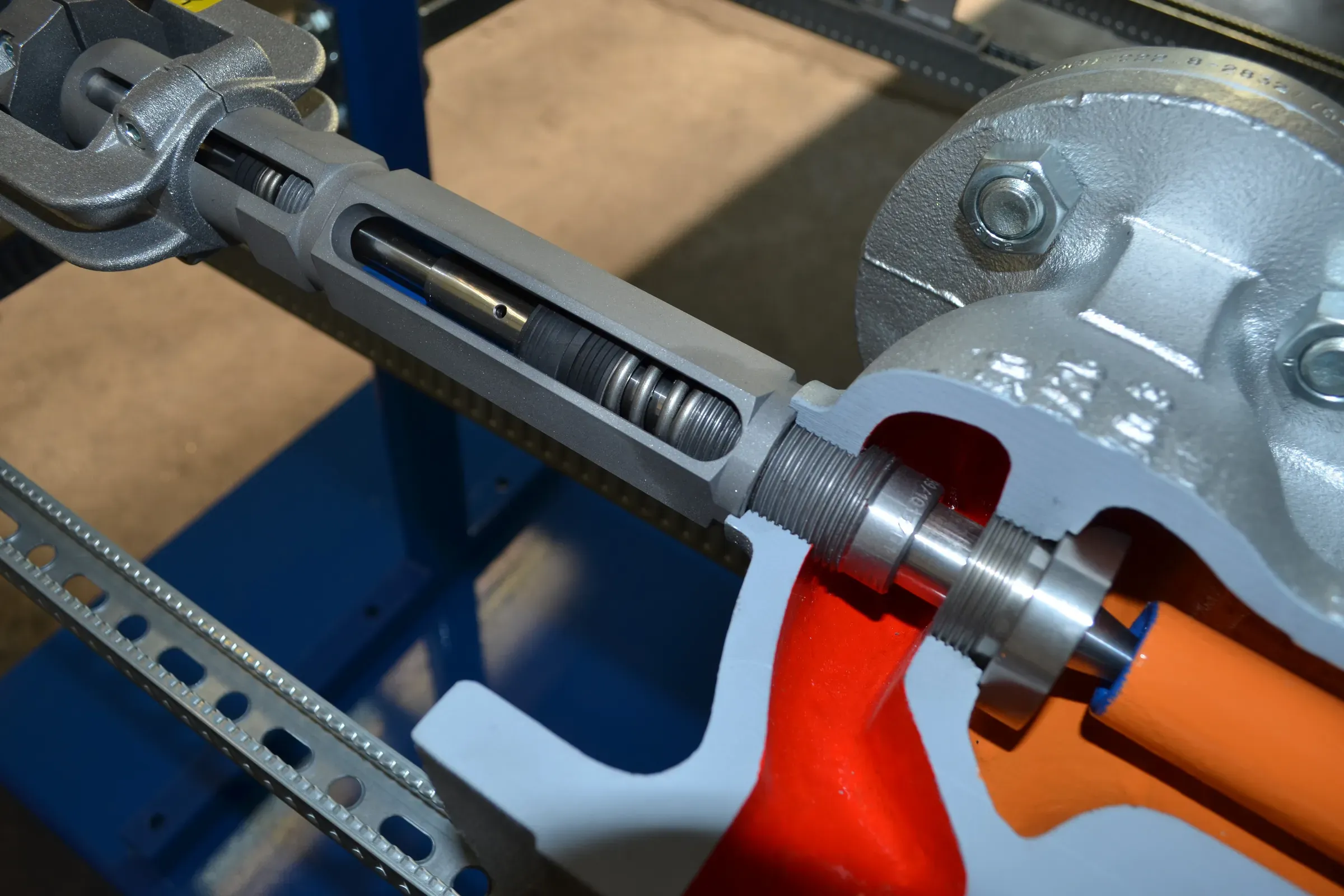
In a Jetomat the moving part sits inside the nozzle: a tapered stainless steel control needle on a spindle, sealed by a stuffing box with spring-loaded PTFE rings and stroked by a pneumatic or electric actuator. On a DN65 example in Baelz’s documentation the full stroke is 22 mm, set by a positioner taking a 4–20 mA signal. To the control system it is a valve.
What it changes is the kilograms, not the pressure behind them. The motive line stays at full pressure and the spindle narrows the throat. In the same Baelz illustration, with the gap closed down instead of the pressure, the jet stays at about 500 m/s and the suction holds. Their documentation calls the variable nozzle more efficient “because it uses the full velocity energy of the motive steam supply even at low flow.”
The record behind it, from the academy lesson: up to 10:1 motive turndown on a single delivered DN80 body, backed by a factory-measured stroke-against-flow curve, and a DN65 delivered for a corrugator line is selected to modulate 3.75:1. The honest limits are just as specific. Baelz’s characteristic for a waste-steam compressor shows no suction below about 10 % stroke, so the selection sets a floor. And factory and selection figures are not site measurements, which is why current projects meter the motive and suction flows after start-up.
Where the load moved
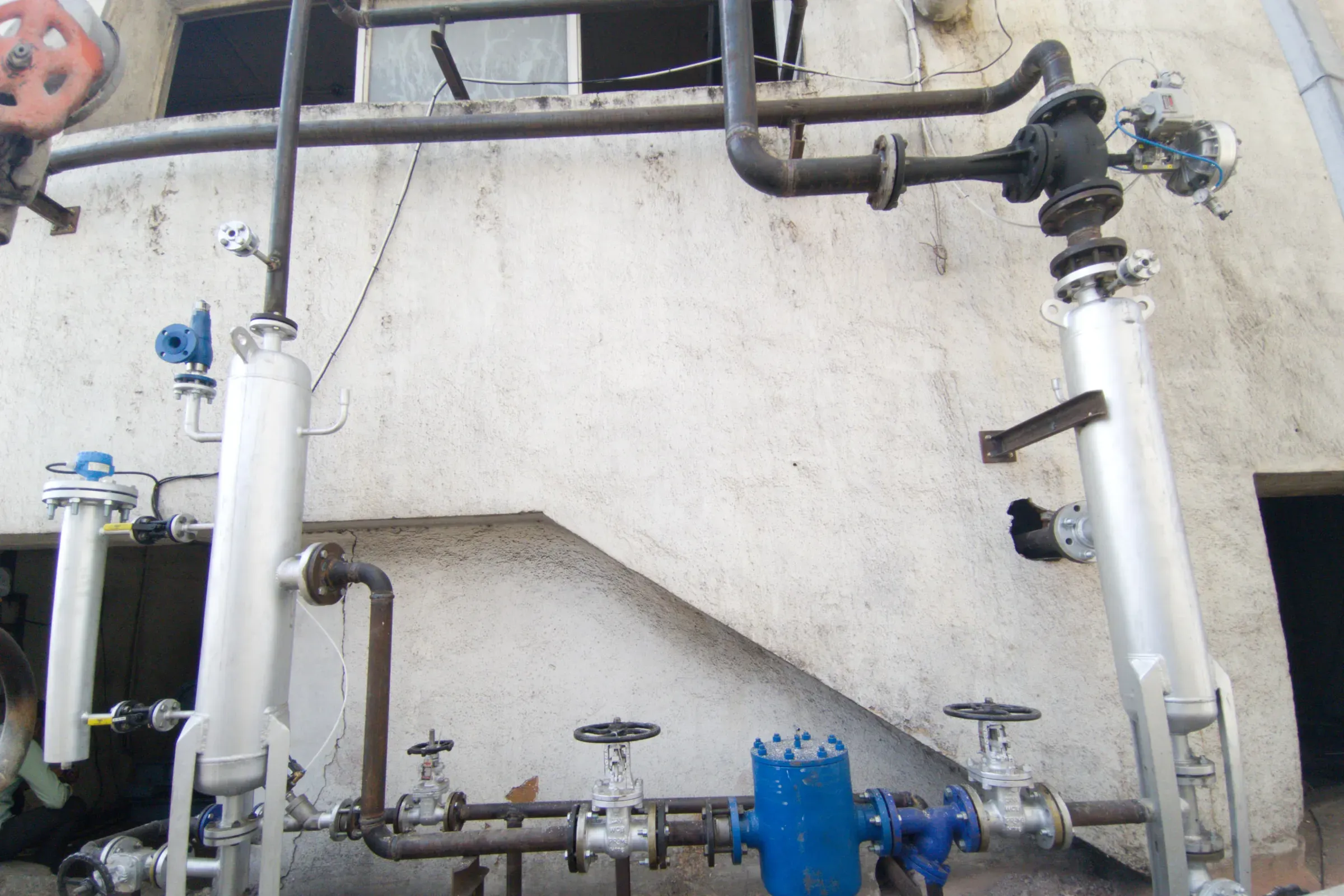
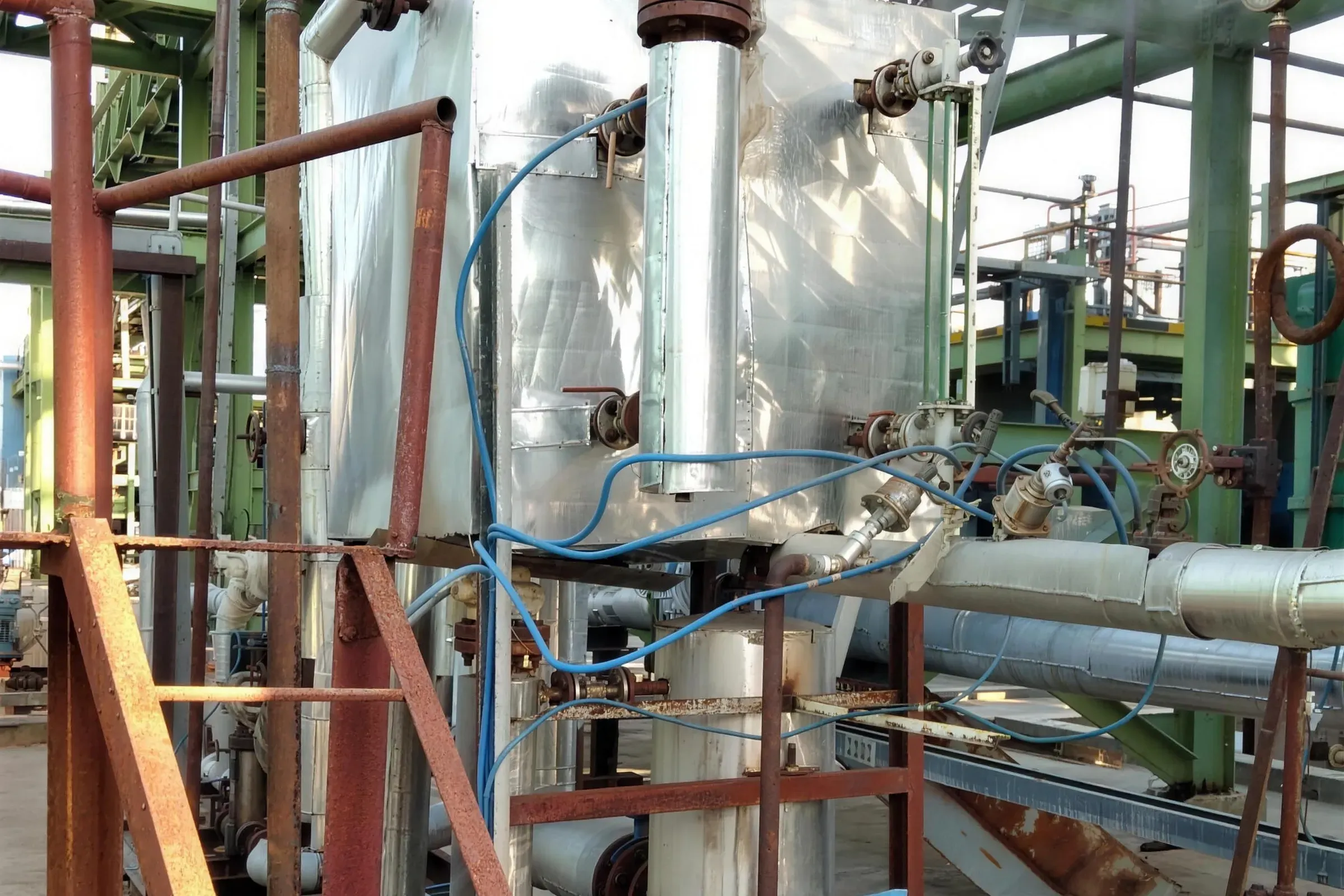
The case that shows it plainly is the chemical plant in Bharuch. Flash from its condensate pumping was venting. Its steam load varied across the heating systems, so the flash volume varied too, and the case study records that a fixed-nozzle thermocompressor could not recover that energy reliably. A variable-nozzle Jetomat on 16.5 bar motive, in parallel with the plant’s 3.5 bar pressure-reducing station, now recovers 422 kg/h. The plant’s own figures, published by CII, put the saving at Rs 45 lakh a year. Why it paid back so quickly is in an earlier post on that plant.
The spindle followed the flash. A fixed nozzle would have been sized for one point on a moving curve.
Questions to settle before you specify
- How much does the load move? If the flash stays within about ±10 % of one point, a fixed nozzle is a fair choice.
- What is Pd ÷ Ps, in absolute terms? Above about 1.8, throttling the motive is not a control method.
- What sits in the motive line of a fixed-nozzle offer? If it is a control valve, that is where the moving part went. Ask what it does to the jet at half load.
- What happens at low load? Venting, bypass, on/off running or a second unit: ask which, and what it costs in steam.
- How will the recovery be measured after start-up? Motive and suction metering, from every supplier, us included.
The other half of the physics, what happens when a jet gets too much motive steam rather than too little, is in the post on the choking point.
What we need from you
- Flash or suction flow, kg/h, at low, normal and high load.
- Suction and discharge pressures, bar g, at the same points.
- Motive pressure, lowest and highest.
- Roughly how many hours a day the plant spends at each load.
- If a fixed-nozzle unit is installed or offered: its nameplate, and what sits in its motive line.
FAQ
Is a fixed-nozzle ejector ever the right choice?
Yes. On a steady, flat load it is the better engineering: three stationary parts, a lower price and nothing to maintain. A fair offer says so in writing.
What is the moving part in a Jetomat?
A stainless steel spindle and control needle in the motive nozzle, sealed by a stuffing box and stroked by a pneumatic or electric actuator through a positioner on a 4-20 mA signal. It changes how many kilograms of motive steam pass, not the pressure they expand from.
How far can a variable nozzle turn down?
The delivered record shows up to 10:1 motive turndown on one DN80 body, from a factory-measured curve. At very small strokes a flash-steam ejector stops drawing suction, so the selection sets a floor, and the recovery is metered after start-up.