Flash Steam Recovery in an Agrochemical Plant: Why It Paid Back in Under Eight Months
UPL's Bharuch plant puts 422 kg/h of vented flash back into its 3.5 bar header with a variable-nozzle Jetomat. Five conditions made the payback fast.
On this page
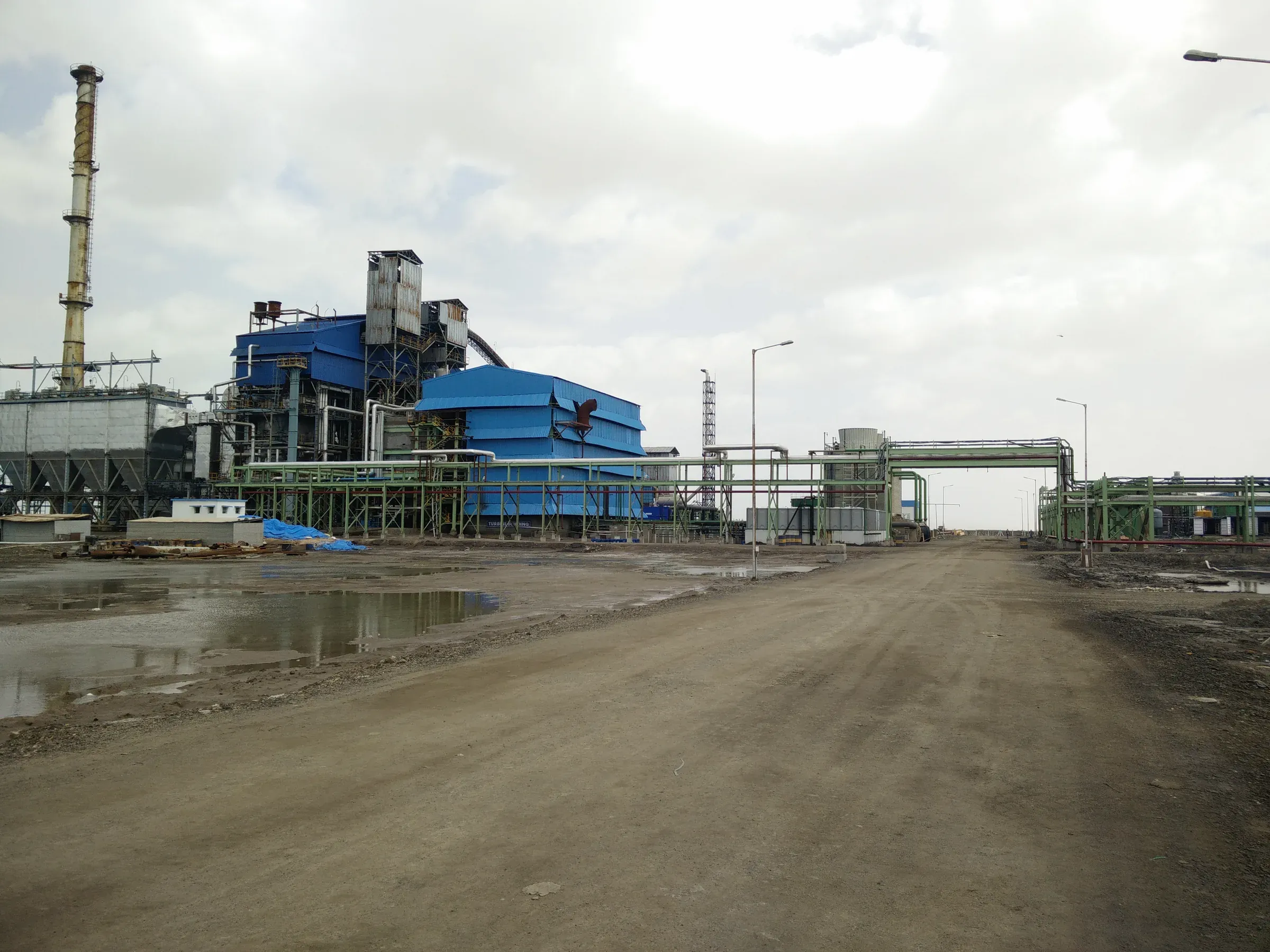
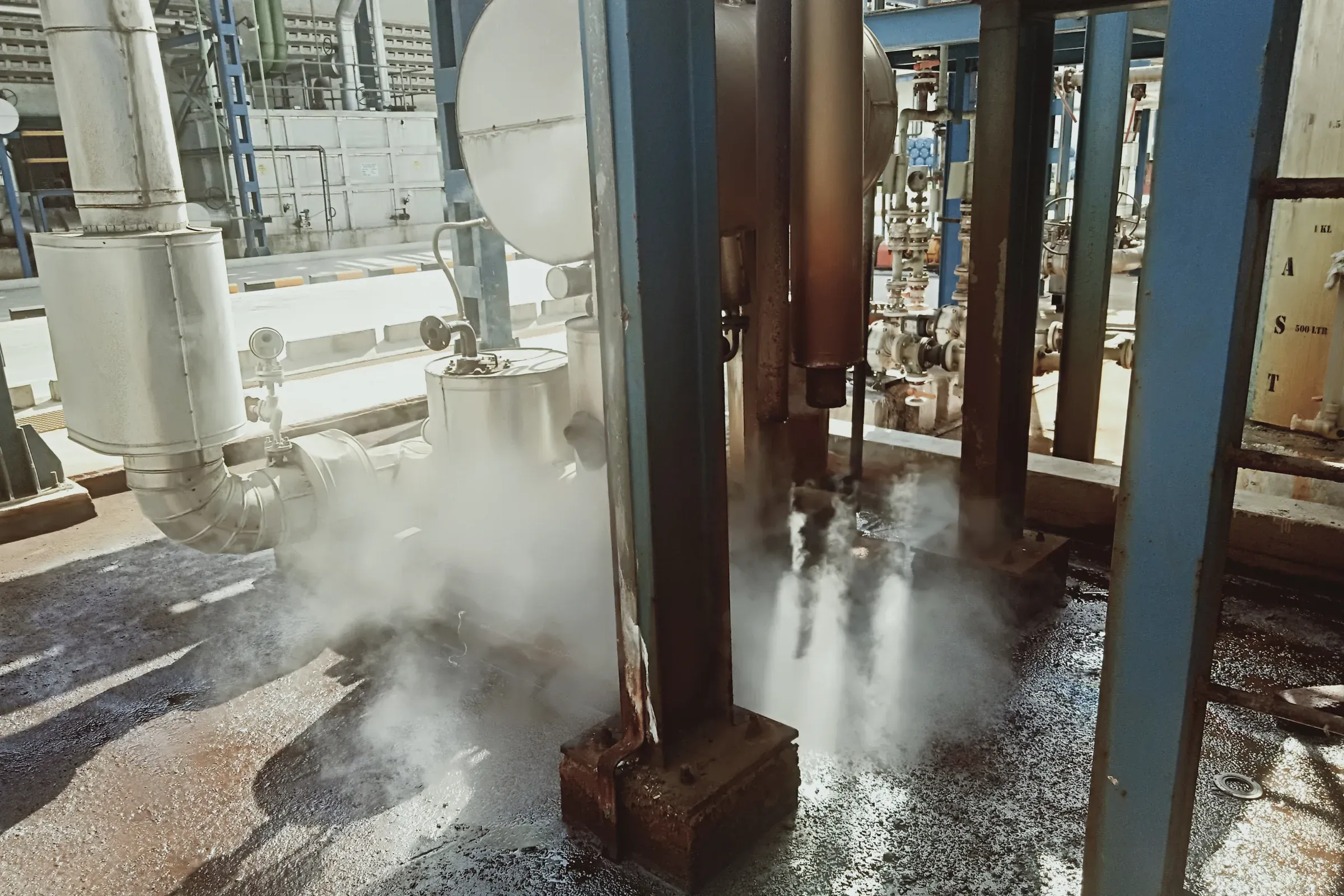
UPL’s agrochemical plant at Bharuch was venting flash steam from its condensate pumping. A variable-nozzle Jetomat now puts 422 kg/h of it back into the plant’s 3.5 bar process header.
UPL Ltd, Bharuch’s flash-steam recovery project, using a variable-nozzle Jetomat supplied and commissioned by i-Kcal, won CII’s ‘Most Innovative Project Implemented’ award (General Category) at the CII Energy Awards 2019, the 20th National Award for Excellence in Energy Management, Hyderabad. UPL’s own figures, published by CII: 422 kg/h of steam saved and Rs 45 lakh a year, on a total investment of Rs 28 lakh. That is a payback of under eight months on these figures (our arithmetic). The awards are run by the CII-Sohrabji Godrej Green Business Centre. The full case study is here.
This post is not the case study again. It is about why this one paid back so quickly, and how to tell whether your plant has the same opportunity.
What the plant had
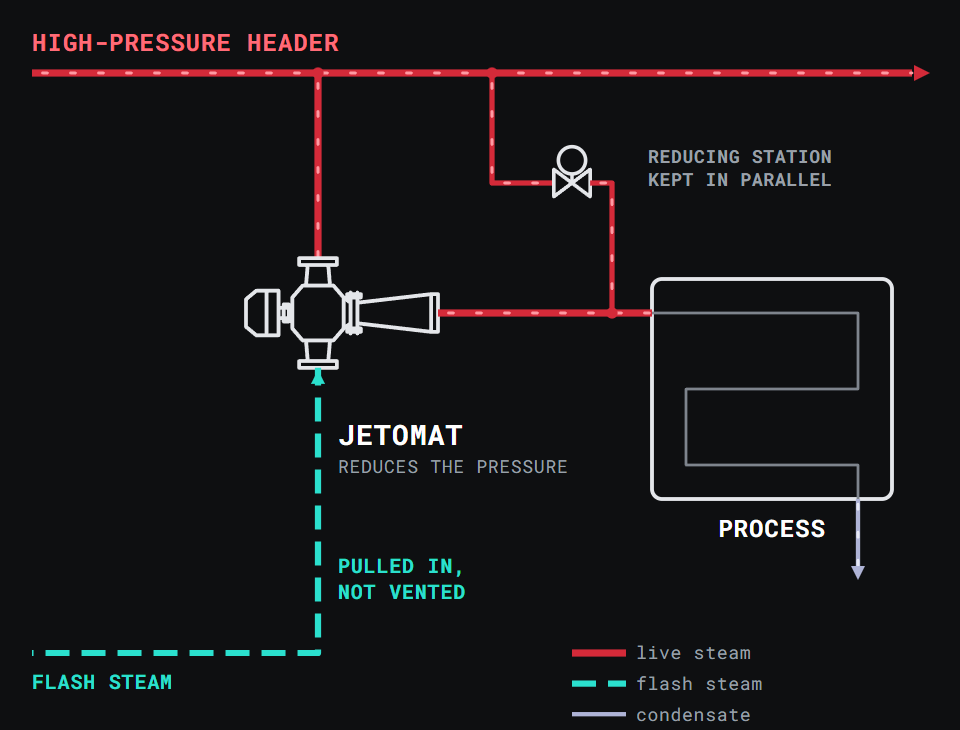
- Condensate was pumped to the power plant by a pressure-powered pump package, and the flash from it was venting to atmosphere.
- The process took 3.5 bar steam through a pressure-reducing station, fed from a 16.5 bar main.
- The steam load varied across the heating systems, so the flash volume varied with it.
What went in
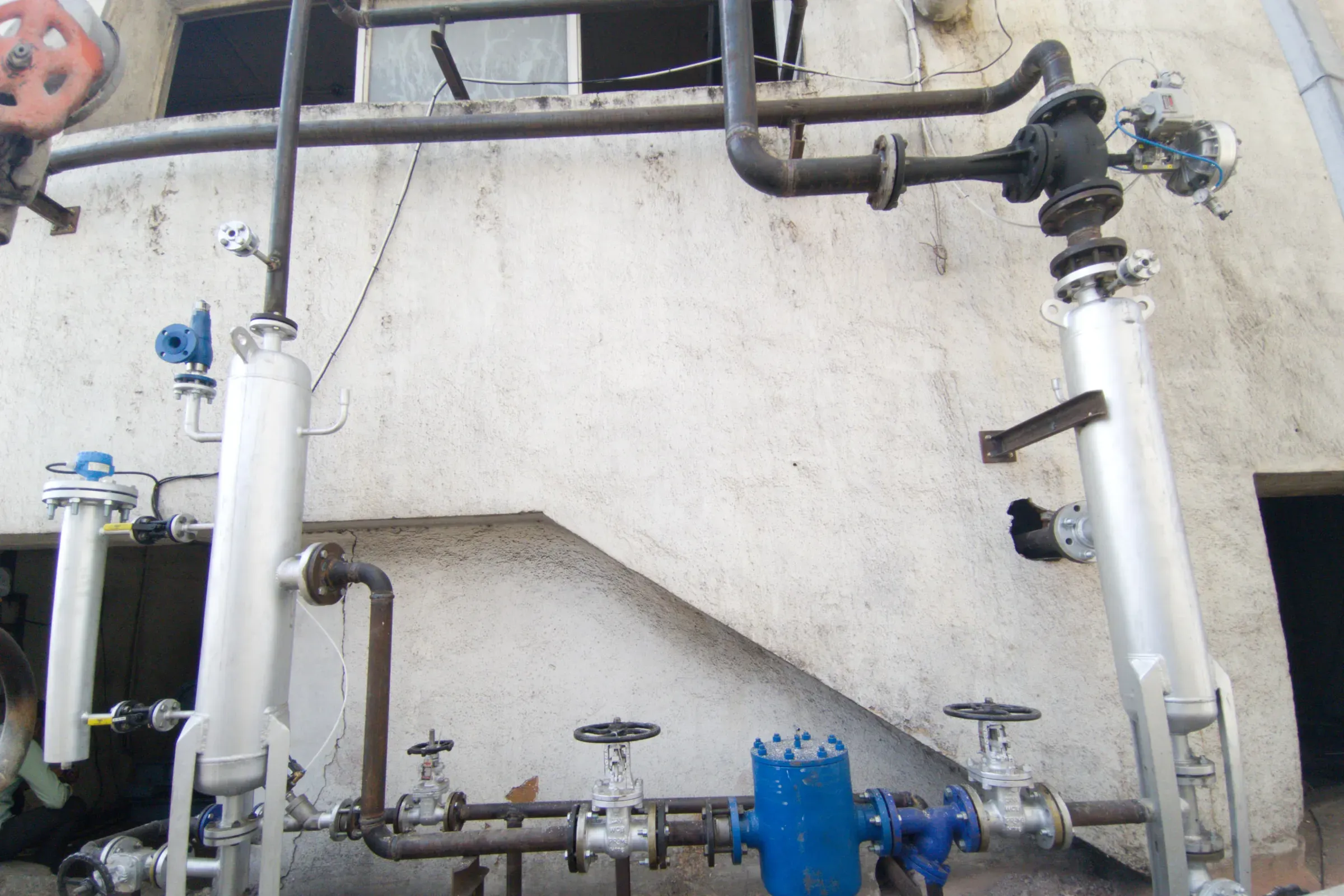
One variable-nozzle Jetomat, tied in in parallel with the 3.5 bar reducing station. Motive steam at 16.5 bar drives the nozzle, the vented flash is its suction, and the mixture is delivered at 3.5 bar into the same header the reducing station feeds. The reducing station stayed. It covers start-up and standby, and tops up whatever the Jetomat does not supply. Nothing in the production routing changed.
Five conditions that made the payback fast
Each of these is something you can check on your own plant before anyone sizes anything.
1. The loss already existed, and you could see it. The flash was going up a vent. Nobody had to change the process to create a recoverable stream, or argue about whether it was there.
2. A user took the recovered steam every hour. The 3.5 bar demand was already being met through the reducing station. Every kilogram the Jetomat delivered was a kilogram the reducing station no longer had to pass from the 16.5 bar main. Recovered steam with no steady user saves nothing.
3. The tie-in carried no production risk. In parallel with the reducing station, the worst case on any day is the situation the plant was already in. That is why a plant agrees to it, and why it gets commissioned without a long shutdown.
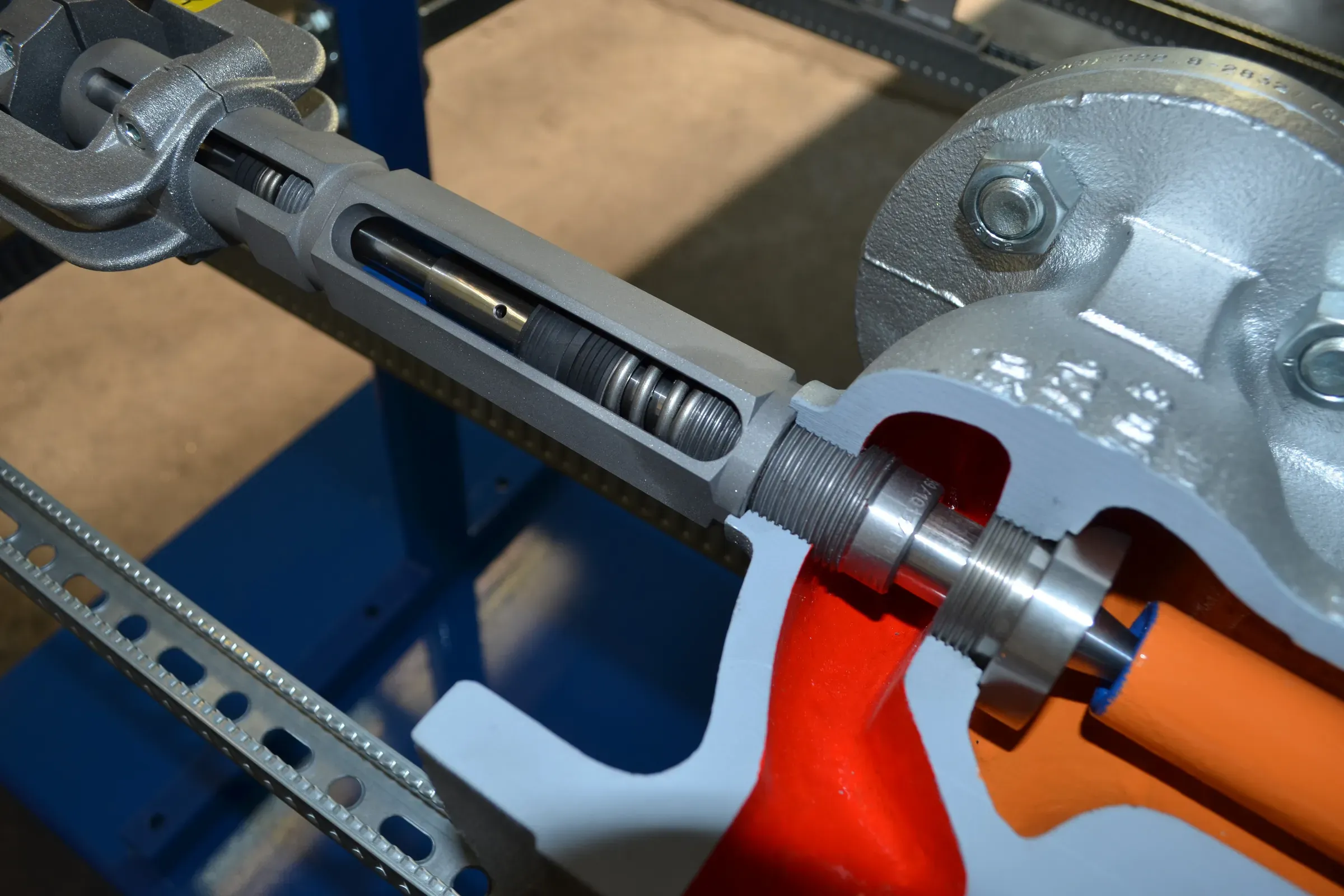
4. The nozzle followed the load. The flash volume moved with the plant’s steam load. A fixed nozzle is drilled for one duty point and drifts off it as the load moves. The variable nozzle opens and closes on the discharge pressure, so the recovery held as the load changed.
5. The motive pressure was well above the delivery. 16.5 bar motive into a 3.5 bar header gives the jet plenty of energy to lift low-pressure flash. Where the motive main and the user header are close together, the same idea entrains much less.
Working out your own number
You do not need our figures to judge your own plant. You need four of yours:
- Recovered steam, kg/h: meter the vent for a fortnight, or work it out from the condensate flow and its two pressures.
- Running hours a year.
- Your steam cost, Rs per tonne: the fuel bill divided by the steam raised.
- The investment.
Rs a year = kg/h × hours × Rs per tonne ÷ 1,000. Payback in months = investment ÷ Rs a year × 12.
If condition 2 or condition 5 fails, the number will tell you, and the honest answer may be a flash vessel feeding a nearby user, or a hot condensate return, rather than a Jetomat.
What we need from you
The motive steam pressure, the flash pressure and where it vents today, and the pressure of the user that would take the recovered steam. That is enough for a first answer.
FAQ
Was the reducing station removed?
No. The Jetomat runs in parallel with the existing 3.5 bar reducing station, which stays for start-up, standby and top-up.
Why a variable nozzle?
The steam load varied across the plant's heating systems, so the flash volume varied too. A fixed nozzle holds one design point; a variable nozzle follows the flash and keeps the delivery pressure.
How do I estimate the saving on my plant?
Recovered steam in kg/h × running hours a year × your steam cost per tonne ÷ 1,000 gives the rupees a year. Divide your investment by that and multiply by 12 for the payback in months.