One Kilogram of Steam Through a Chemical Plant: The Five Places You Pay for It Again
Follow one kilogram of steam down a chemical plant's header cascade: the reducing station, the trap, the vent, the condensate and the deaerator vent, and how to price each one.
On this page
- The kilogram we follow
- 1. The reducing station: you pay again for the pressure
- 2. The trap: you pay again for the whole kilogram
- 3. The vent: you pay again for the flash
- 4. The condensate: you pay again for the heat and the water
- 5. The deaerator vent: you pay again for heat you already recovered
- The five are in series
- What we need from you
A chemical plant pays for each kilogram of steam once, at the boiler. On the kilogram’s way through the plant there are five places where part of it is paid for again: the reducing station, the trap, the vent, the condensate and the deaerator vent. None of them has its own line on the fuel bill.
This is the second walk in the series that began with one kilogram through a tyre plant. A chemical plant is a different walk, because its steam does not live on one header. It runs down a cascade, from high pressure to medium to low, with a different user on every level.
The kilogram we follow
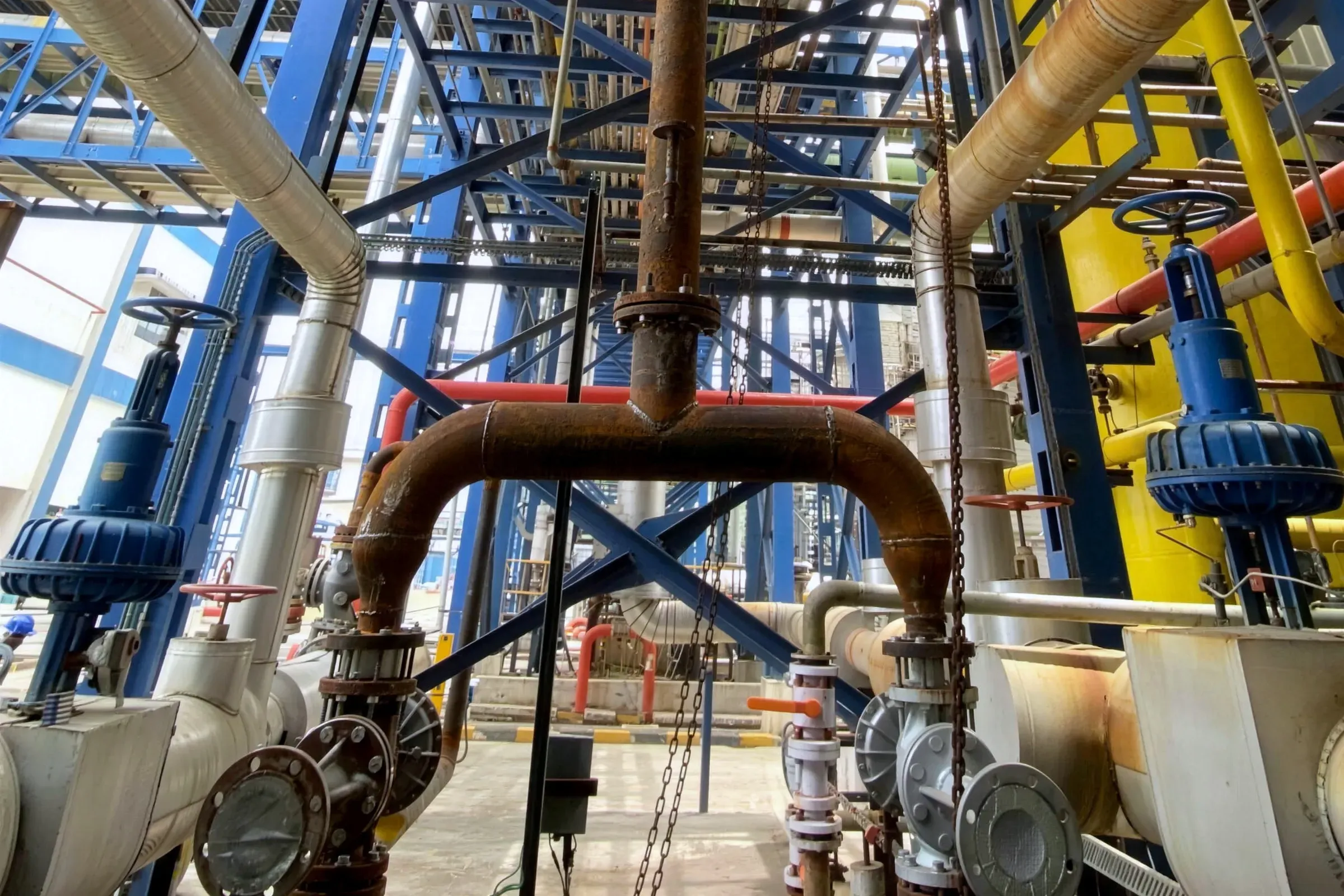
The boiler house sends the kilogram into a medium-pressure header at 13 bar a. A reactor jacket needs 4 bar a, so the kilogram passes a pressure-reducing station on the way. Those are the headers of a documented refinery case; your plant will have its own.
With make-up water at about 30 °C, the boiler puts about 635 kcal into the kilogram (steam tables). In the jacket it gives up about 520 kcal. Everything below is priced at your own marginal steam cost, the part of the cost that actually shrinks when a tonne is saved (the true cost of steam). For any of the five places: Rs a year = kg/h × hours a year × Rs per tonne ÷ 1,000.
1. The reducing station: you pay again for the pressure
The valve keeps the heat and throws away the pressure. And the pressure was nearly free: raising a kilogram to 13 bar a takes about 635 kcal, raising it to 4 bar a about 624. Under 2 % of the heat bought the ability to do work.
The plant pays again when the same site vents low-pressure steam. In the refinery case, 5,247 kg/h of medium-pressure motive steam through an ejector lifted 5,253 kg/h of vented low-pressure steam to the 4 bar a users: one kilogram for one kilogram. The full story is in the pressure-reducing station post.
Price it: the kg/h of low-pressure steam vented while the station runs.
2. The trap: you pay again for the whole kilogram
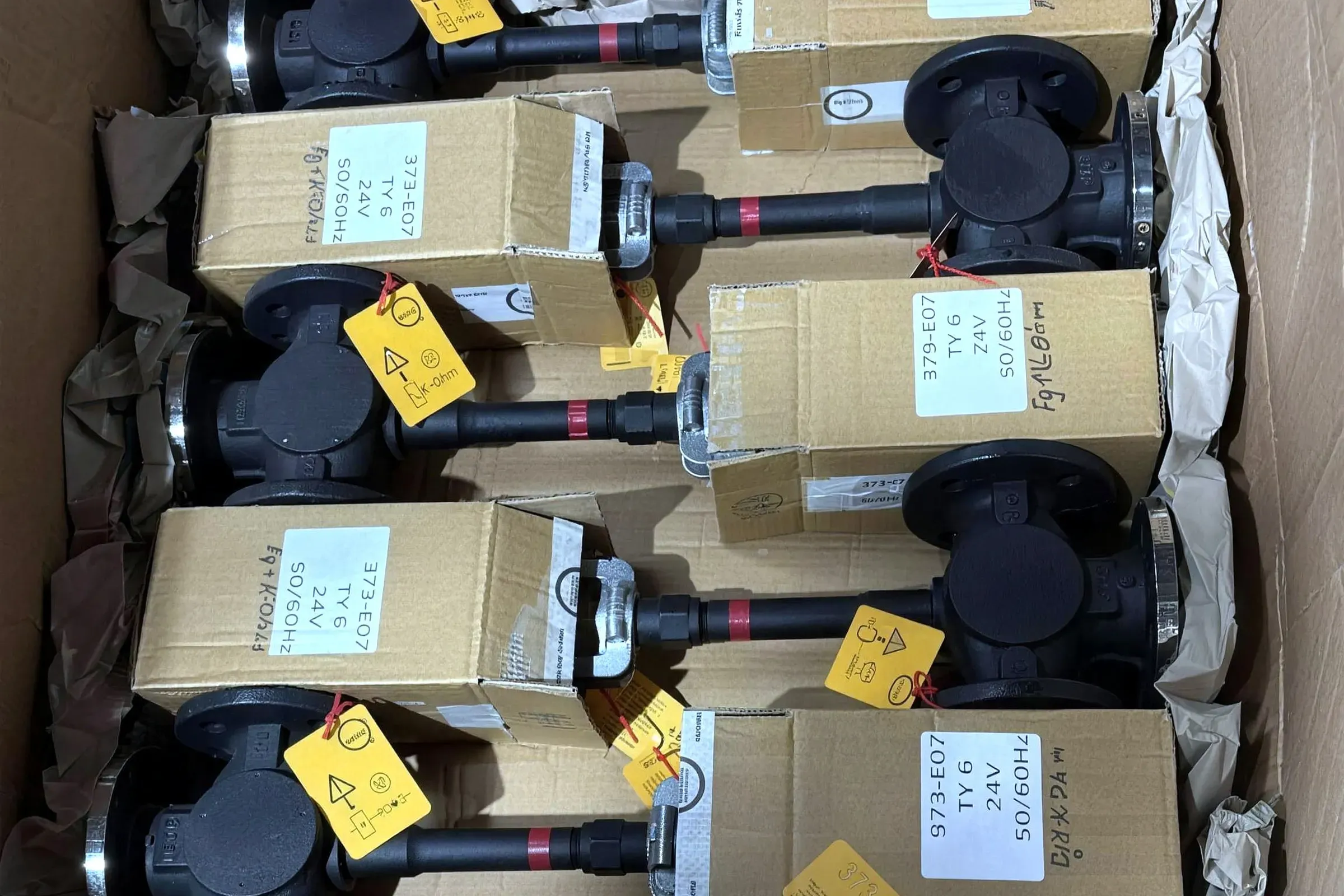
A trap that passes live steam sends the kilogram on with its 520 kcal unused. At a chemical plant where we tested 190 traps, 33 were passing live steam, worth about Rs 1.8 lakh a year for each leaking trap on our estimate. And in a chemical plant, the traps surveyed least often tend to be the ones inside classified units, where an ordinary handheld tester cannot be carried in.
Price it: the steam each passing trap blows, times the number passing.
3. The vent: you pay again for the flash
Condensate leaves the jacket at about 144 °C. At an atmospheric receiver, 8.2 % of it flashes to steam. That flash takes about 50 kcal of the boiler’s 635 out of the vent. Medium-pressure condensate at 13 bar a flashes 17.5 % to atmosphere, but only about 9.8 % into a 4 bar a header that can use it.
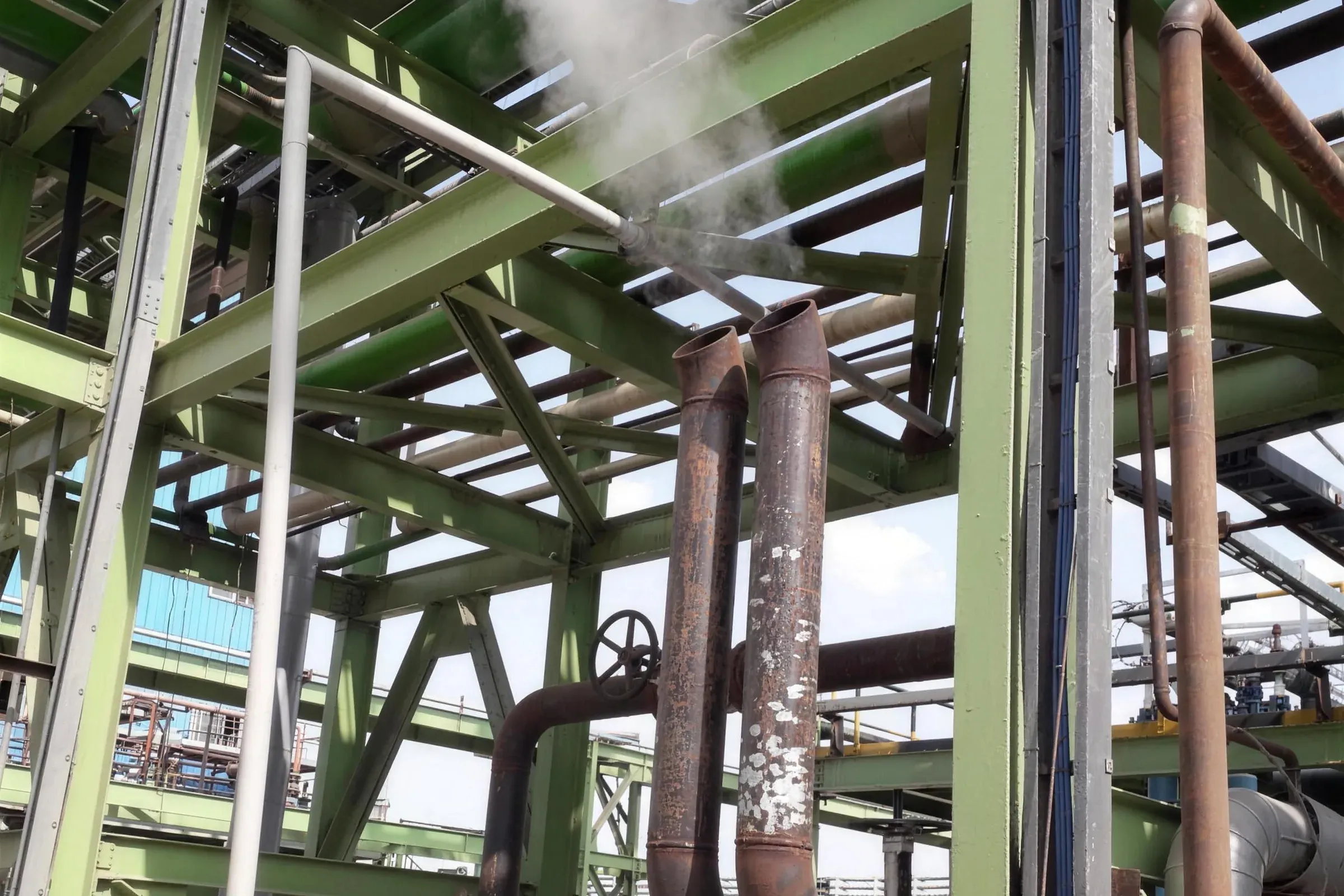
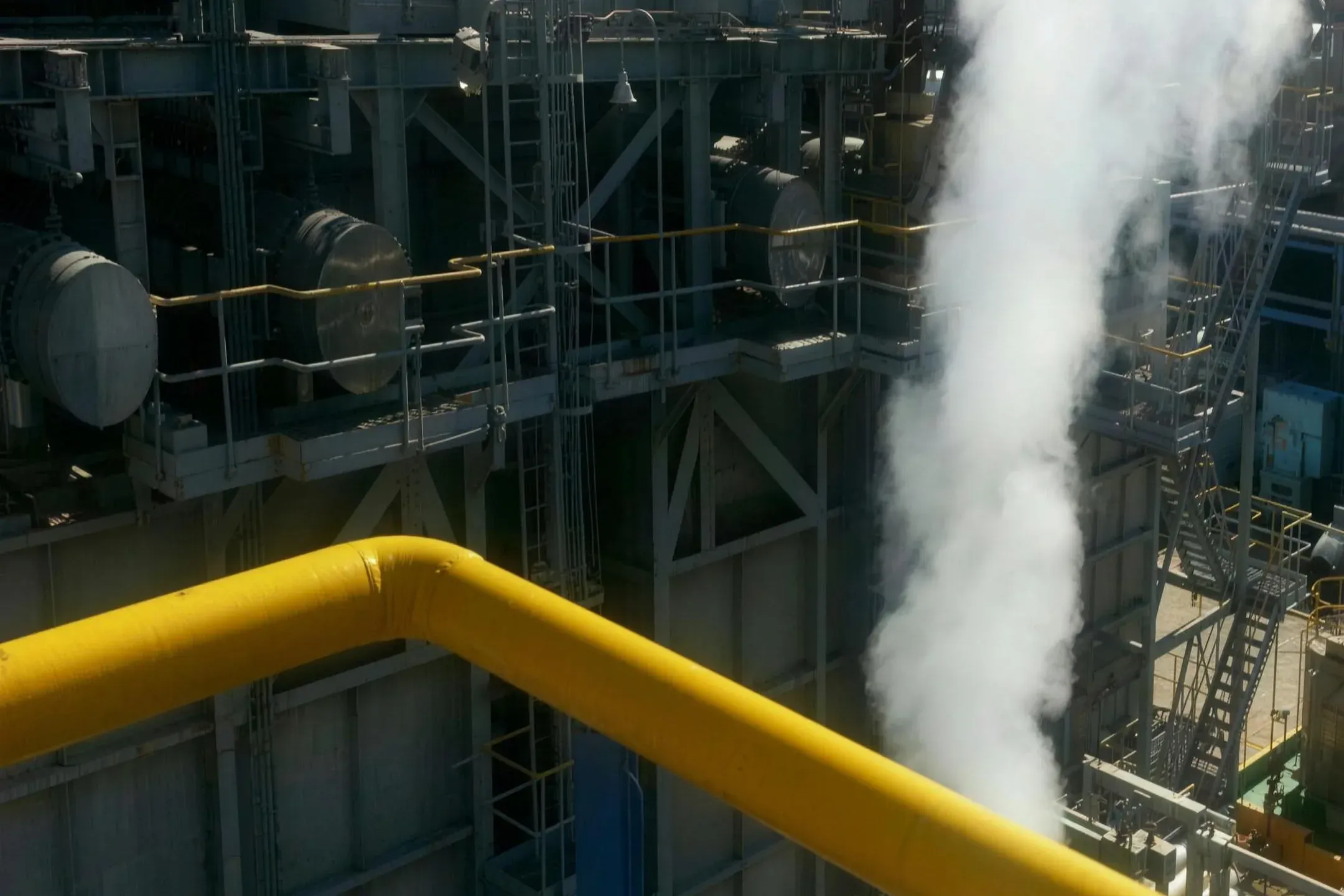
Plumes add up. A process plant in South Korea vented 1,500 kg/h of flash from one condensate drum; a variable-nozzle Jetomat now lifts 1,100 kg/h of it into the 1.56 bar g header (the case). UPL’s Bharuch plant is a case where vented flash found a user every hour.
Be careful what you measure here. A trap on bypass blows live steam through to the receiver, so part of the plume may be place 2, not flash.
Price it: the flash in kg/h, from the condensate flow and the two pressures, after the traps are fixed.
4. The condensate: you pay again for the heat and the water
After flashing, the water still carries about 64 kcal at 100 °C, a tenth of the bill. Counted from 30 °C make-up, condensate holds about 18 % of the heat in 4 bar a steam and about 26 % in 13 bar a steam; the familiar “about a quarter” is the higher-pressure case. Drain it, and the boiler pays for the heat, the water and its treatment all over again. Return it hot, and the rule of thumb is about 1 % less fuel for every 6 °C rise in the feed tank.
Where a stream is genuinely contaminated, recover the heat and not the water. A contamination detector on each return lets clean condensate in and diverts a dirty one, so the plant stops dumping clean condensate for fear of the dirty.
Price it: the feed tank rise you would get, at 1 % of fuel per 6 °C, plus the make-up water and chemicals.
5. The deaerator vent: you pay again for heat you already recovered
Recovered flash and returned condensate both end up in the deaerator. It has to vent, because that is how the oxygen leaves, but the right loss is only 0.5 to 2 kg per 1,000 kg/h of capacity. The vent valve is often a manual DN20, set at commissioning and not touched since. Open too far, it sends out again the heat that places 3 and 4 brought back. Feedwater and deaeration covers the setting.
Price it: the vent flow above that band.
The five are in series
That is why the five do not simply add up. Steam blowing through a trap reappears as a plume at the receiver. Heat saved at the condensate can leave again at an open deaerator vent. Add five separate claims and some kilograms get counted twice, which is one of the tests in how to check a steam-saving proposal.
So work in the order the kilogram meets them. Fix the traps first: it is the cheapest step, and it shrinks the plume to what is really flash. Then size the flash recovery on what is left, bring the condensate back, and set the deaerator vent last, so the recovered heat stays in. The reducing station is its own question. It pays only where the same site has low-pressure steam to spare.
What we need from you
Your header pressures (HP, MP and LP) and roughly what each carries, where the vents and flash drums are, the number of traps and when they were last surveyed, the condensate return temperature and percentage, the deaerator capacity, and your steam cost per tonne. That is enough to price each of the five on your plant.
FAQ
Can I add the five losses together to get one saving?
No. They sit in series on the same kilogram. Steam blowing through a trap shows up again as a plume at the receiver, and heat recovered from condensate can leave again at an open deaerator vent. Price each one at its own place, after the one upstream of it is fixed.
Which steam cost should I use to price them?
Your marginal steam cost: fuel, water, treatment and a little electricity, the layers that actually shrink when a tonne of steam is saved. Salaries and the boiler's loan do not fall because a trap was repaired.
Does the reducing station always waste money?
Only when the same site vents low-pressure steam, or has a large steady duty a turbine could use. Where the low-pressure header is balanced, the valve is doing an honest job.