Batch Peaks in Autoclaves, Mash Tuns, Digesters and Dye Vats: Stagger the Starts Before You Buy a Bigger Boiler
A batch plant's steam peak is set by heat-up time and by how many vessels start together. Stagger, ramp or store it before you buy a bigger boiler or pipe.
On this page
A batch plant does not have one steam demand. It has a tall, short peak each time a vessel heats up, and long low stretches while it holds. Boilers, mains and pressure-reducing stations are usually bought for the tallest peak, and the tallest peak is often just the moment two vessels happened to start together.
Autoclaves, mash tuns, digesters, retorts and dye vats all show the same pattern. The academy lesson on steam accumulators calls it steam weather. The examples below come from past design studies, with the names taken off. They show where the peak comes from, and what can be done with it before anyone buys a bigger boiler or a bigger pipe.
1. The heat-up time sets the peak, not the batch
The heat a batch needs is fixed by its mass and its temperatures. The steam rate is that heat divided by the time you allow. Halve the heat-up time and you double the peak.
One design study for a digester worked out a batch heat-up over 15 minutes: about 25 t/h on its own sheet, and more once the condensate was counted properly. The branch feeding the digester was rated for 5 to 7 t/h, three and a half to five times less. At the branch’s 7 t/h, the same batch heats in about an hour to an hour and a quarter. The pipe was not the problem. The 15 minutes was. The study’s own lesson: fix the ramp time, or provide a buffer, before sizing the branch.
2. Peaks that coincide add up; offset ones do not
A brewery study heated its mash at a steady 1 °C a minute. While the steam valve was open, a mash took about 5,300 kg/h, but only for 32 minutes of a four-hour mash, about 2,800 kg in all. Two mash tuns and the wort preheat at the same moment came to 17,100 kg/h, and the pressure-reducing station and condensate system had been designed for 19 t/h on that sum. Offset the two mash tuns and the brew house tops out near 11,800 kg/h. The same brews and the same steam per brew, with about a third less peak.
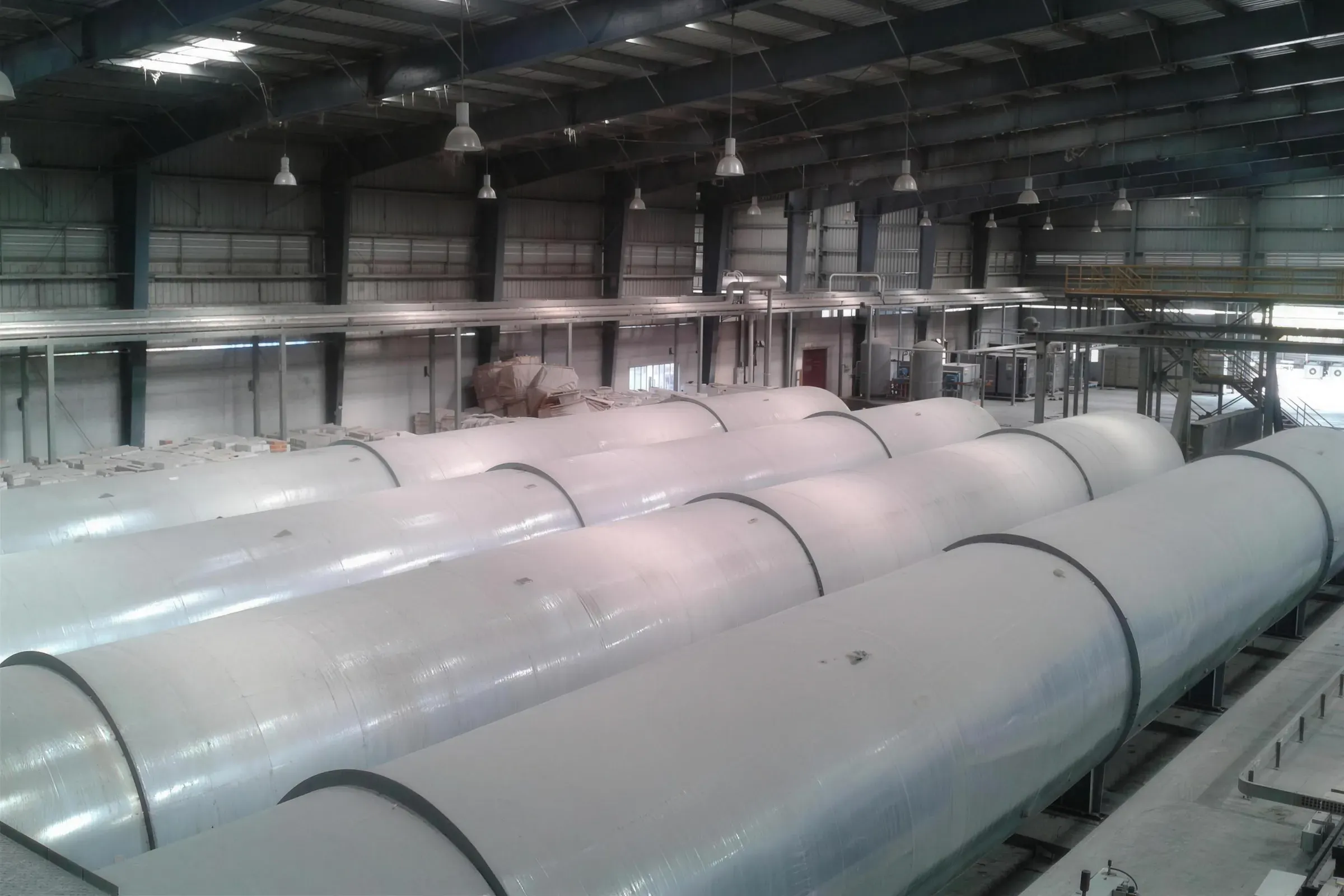
Autoclaves follow the same rule. In one study for an autoclave battery, each autoclave took about 2.8 t/h for its two-hour heat-up, and only about 0.11 to 0.15 t/h to hold. With heat-ups two hours apart on a 12-hour cycle, only one autoclave heats at a time. The boiler is then sized on one heat-up plus the others holding, not on all of them heating together.
3. Size each part on the right number
The brewery study put it plainly: size the mains, the pressure-reducing station and the condensate system on the instantaneous rate, and the fuel balance on the batch total.
The autoclave study adds a caution. Its 2.8 t/h was an average over two hours. The real rate is highest in the first minutes, when cold steel and cold product first see steam. Either hold the ramp with a pressure-ramp control valve on each vessel, or keep the margin.
4. What to do with the peak that is left
In order of cost:
- Stagger the starts. A schedule, or a simple interlock that holds the next heat-up until the last one has finished. It costs almost nothing.
- Ramp the heat-up. A pressure-ramp control valve caps the rate each vessel can draw.
- Store steam for the peak. An accumulator holds hot water at boiler pressure and flashes it to steam as the pressure falls. The lesson’s example: a 10 m³ vessel, 90 % full, swinging from about 10.3 to 3.4 bar g, releases about 620 kg of steam, enough to carry a 2,500 kg/h spike for a quarter of an hour. It pays when peaks are short, tall and frequent, and the peak is more than about twice the average.
- A bigger boiler, last. It pays its part-load losses every hour to cover a peak that lasts minutes a day.
Sizing an accumulator starts with one line: (peak − what the boiler can spare) × how long the peak lasts. One food retort needed 7,000 kg/h for a 10-minute come-up, with 3,000 kg/h to spare from the boiler: 4,000 × 10 ÷ 60, about 670 kg of stored steam. The trap in that design was the bottom of the swing. The valve feeding the retort needed about 5.4 bar g at its inlet to hold 4.9 bar g at the retort, so the vessel could not usefully discharge below 5.4 bar g. That shallower swing left the vessel about a tenth too small.
Check the batch arithmetic before you trust the peak
The same studies carry three slips worth checking on any batch sheet. More checks of this kind are in how to check a steam-saving proposal.
- Steam gives up less heat than the sheet assumes. Divide the batch heat by the steam’s heat minus the condensate’s heat at the final batch temperature, not at the cold start. The digester sheet understated its steam by about 30 % this way.
- A specific heat above 1 kcal/kg °C for a solid is a unit slip. The digester sheet used 2.3 for bagasse, an SI figure under a kcal label. At about 0.55, its batch heat falls by about half.
- The batch cannot get hotter than the steam. The final temperature must sit below the saturation temperature of the steam at the vessel.
When the heat-up really does limit output
Sometimes a shorter heat-up is worth having, because batch time caps production. Then look at the heating surface before the boiler. A disc dryer at a rendering plant in Spain drained its condensate intermittently and heated unevenly. A variable-nozzle Jetomat on recirculation now keeps the steam moving and the condensate layer thin. The dryer gained 18 % output and one extra batch a day, on 195 kg/h less steam.
What we need from you
For each batch vessel: the batch mass with its start and end temperatures, the heat-up time you allow, and the cycle schedule of every vessel on the same header. Add the boiler’s capacity and pressure, a steam flow or pressure chart for a full shift, and the lowest pressure the process can genuinely run at. That is enough to say whether staggering, a ramp or an accumulator keeps you off the bigger boiler.
FAQ
Does staggering the heat-ups cost production?
Usually very little. In the brewery study the mash heated for only 32 minutes of a four-hour mash, so offsetting the two mash tuns moved the steam, not the brews. Where heat-up time really does limit output, look at the heating surface first.
When does a steam accumulator make sense?
When the peaks are short, tall and frequent, the peak is more than about twice the average, and the process can run at the lower pressure at the bottom of the swing.
Should the boiler be sized on the peak or the average?
Pipes, valves and condensate lines on the instantaneous rate; the fuel balance on the batch total; the boiler on whatever peak is left after staggering, ramping or storage.