No Baseline, No Saving: Agree the Measurement Before Installation
What to write into the order before a steam-saving project goes in: the meters, the boundary, the baseline period, the production unit and the review dates, with the traps past contracts fell into.
On this page
- 1. Name the meters, and meter every term you pay on
- 2. Draw the boundary
- 3. Fix the baseline period in writing, before the first change
- 4. Agree how to take out production and weather
- 5. Fix the conversion, and what happens when a meter fails
- 6. Agree when it is checked, and guarantee below the calculation
- One page, signed before the order
- What we need from you
A saving is the gap between what a plant burns and what it would have burned without the project. No meter reads the second number. If the way to work it out is not agreed before installation, the argument afterwards never ends, and an honest result looks no better than a guess.
The lesson on proving the savings sets out the method: baseline, boundary, normalisation. Our post on corrugator savings of 32 or 15 % shows why two true numbers can differ. This post is the step before both: what to write into the order, before the equipment arrives, so the number at the end means something. The traps come from past performance contracts and audit validations, with the names taken off.
1. Name the meters, and meter every term you pay on
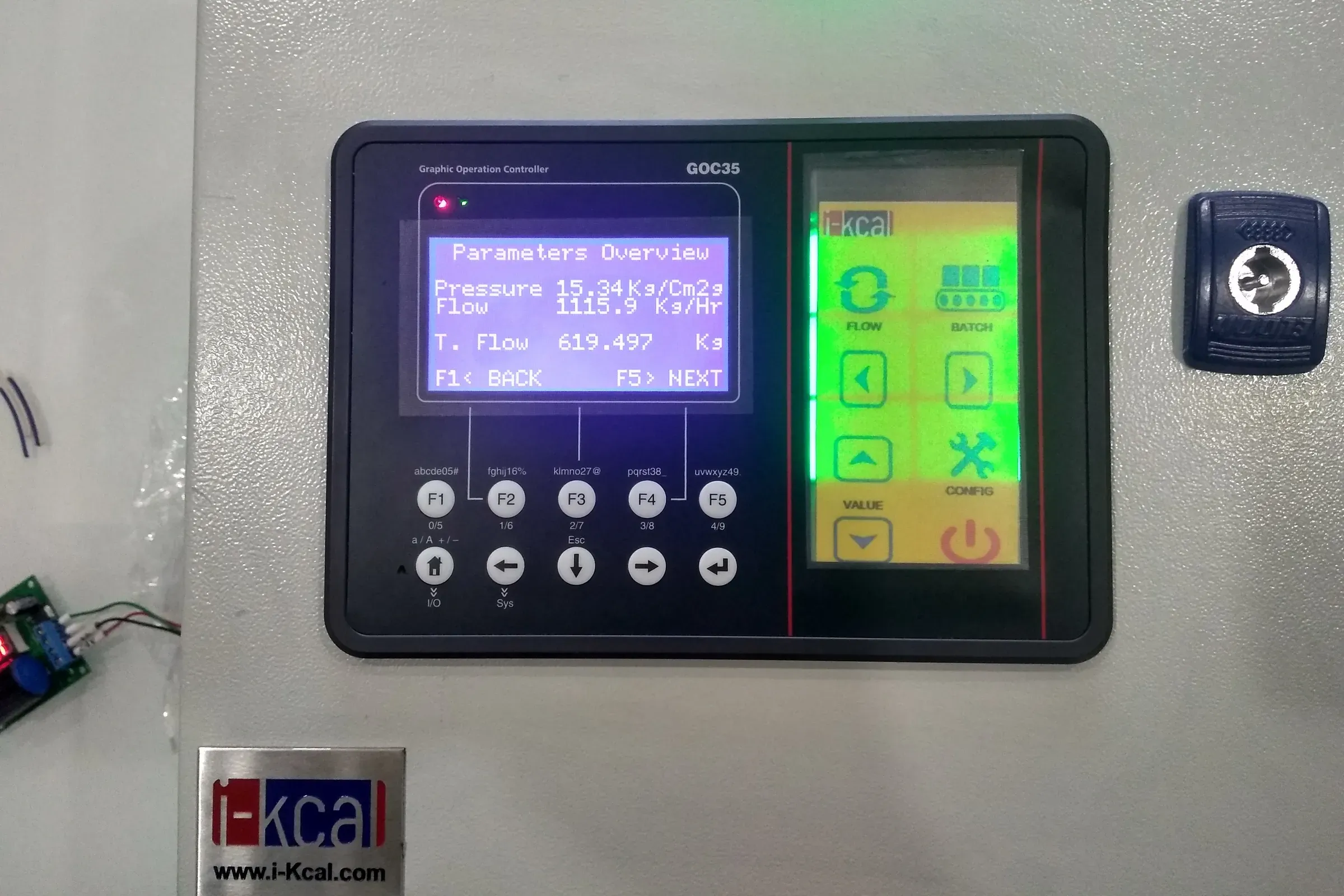
Write down which instruments judge the result: the fuel meter or weighbridge, the steam meter, the water meter, the temperature points. The same instruments read the “before” and the “after”.
Then hold the savings formula against that list. One condensate-recovery contract credited flash steam in its formula but specified no flash meter. Another named the feed tank temperature in its formula and logged the condensate tank temperature instead. Every term in the formula needs a named instrument, and the instrument logged must be the one the formula uses.
Check the meter before it becomes the judge. One audit tested a plant’s steam meter against a timed drop in feed tank level and found it reading about 9 to 21 % high. Every specific-consumption figure built on that meter was suspect.
2. Draw the boundary
Say which part of the plant the project is judged on. A saving measured at the dryer section reads larger than the same saving measured at the boiler, because the boiler also feeds loads the project never touched.
The boundary also stops two claims landing on the same fuel. In one validation, the savings credited to leak repairs and to better boiler efficiency added up to more than the 15.8 % fall the plant measured in total. Each claimed stream needs one owner and one meter.
3. Fix the baseline period in writing, before the first change
The baseline is several months of readings from the judging meters, taken before anything changes and kept raw. At the Rajkot corrugator it was eight months, November to June, at 136 kg of fuel per tonne, set before the retrofit. Three ways it goes wrong:
- A window that straddles commissioning. In one validation, start-up dates fell inside both the “before” and the “after” windows, which also spanned seasons. The saving it reported was more than the physics could explain.
- One month moves it. In the same validation, a single odd month shifted the baseline by about 170 L of oil a day. Worked from the monthly data, the saving was about 488 L a day, not the 584 claimed.
- “After” figures that are not measurements. One table built its “after” fuel as the baseline minus the claimed saving. It looked like a result; it was the claim written twice. Ask for the raw meter readings for each period.
4. Agree how to take out production and weather
Fuel follows production before it follows any project. Write the comparison unit into the order: fuel per tonne of product, compared at similar production. Better still, plot the baseline months as fuel against production and judge each later month against that line, as the lesson shows.
Say which load a guarantee refers to. One validation measured 246 L of oil a day saved at 33 t of steam a day; at the 28 t a day the plant normally ran, the same saving is about 208 L a day. Both are true. Quote the saving per tonne as well, and the argument goes away.
Weather moves baselines too. A baseline from a single switch-off test drifts with make-up water temperature: one contract needed the test repeated by season, or corrected for make-up temperature and for any live steam heating the feed tank.
5. Fix the conversion, and what happens when a meter fails
Write in the boiler efficiency and fuel heat value used to turn recovered heat into fuel. One contract fixed boiler efficiency at 85 % on purpose, so the monthly figure could not be disputed over boiler tests.
Then the fallbacks. One contract had three independent ways to work out feed water flow, and a seven-day average for any other failed reading. That is sound once the corrections between the routes, blowdown and flash entering the tank, are written in too. Where payment depends on the saving, as in a shared-savings arrangement, every one of these lines carries money.
6. Agree when it is checked, and guarantee below the calculation
Savings fade as traps fail again and set points drift. Check at three months, twelve months, then yearly. Rajkot’s best month was 20.6 %; the figure that held across seven metered months was about 15 %, and that is the one to plan on.
Leave a margin. In one validation, one area beat its projection while another came in at about 80 % of it. The gap between the calculated and the guaranteed saving was needed.
One page, signed before the order
Put it all on one annex: the meters and where they sit, the boundary, the baseline dates, the comparison unit, the efficiency and heat value, the fallbacks and the review dates. Have it signed by whoever will question the saving later. The five checks for a proposal test the claim; this page tests the result.
What we need from you
- Monthly fuel and production for the last twelve months.
- The meters you have: fuel, steam and water, where they sit, and when each was last checked.
- The planned installation date, so the baseline window ends before it.
- The production unit your plant reports on.
- The boiler efficiency and fuel heat value you use today.
FAQ
Why not just compare the fuel bills before and after?
Because fuel follows production and weather first. Compare fuel per tonne at comparable production, or judge each month against a line fitted to the baseline months.
How long should the baseline be?
Several months at least, on the meters that will judge the result, ending before anything changes. Rajkot used eight months; a full year is better where production swings with the season.
Who should sign the measurement annex?
Whoever will question the saving later, alongside the supplier. Signing it before installation is what makes the result hard to argue with afterwards.