Seven Things We Look at Before We Open a Drawing
Before any P&ID, an engineer reads a steam plant from seven things: the make-up meter, the feed tank, every pressure-reducing station, the peaks, the condensate, the traps and the second steam user. What each one decides.
On this page
- 1. The make-up meter and the fuel ledger
- 2. The feed tank: its temperature, and what heats it
- 3. Every pressure-reducing station: in, out, and how much
- 4. The peaks, not the averages
- 5. Where the condensate goes, and at what temperature
- 6. The traps: tagged, tested, and their bypasses
- 7. The motive steam, the delivery pressure, and the second user
- Only then, the drawing
- What to send us
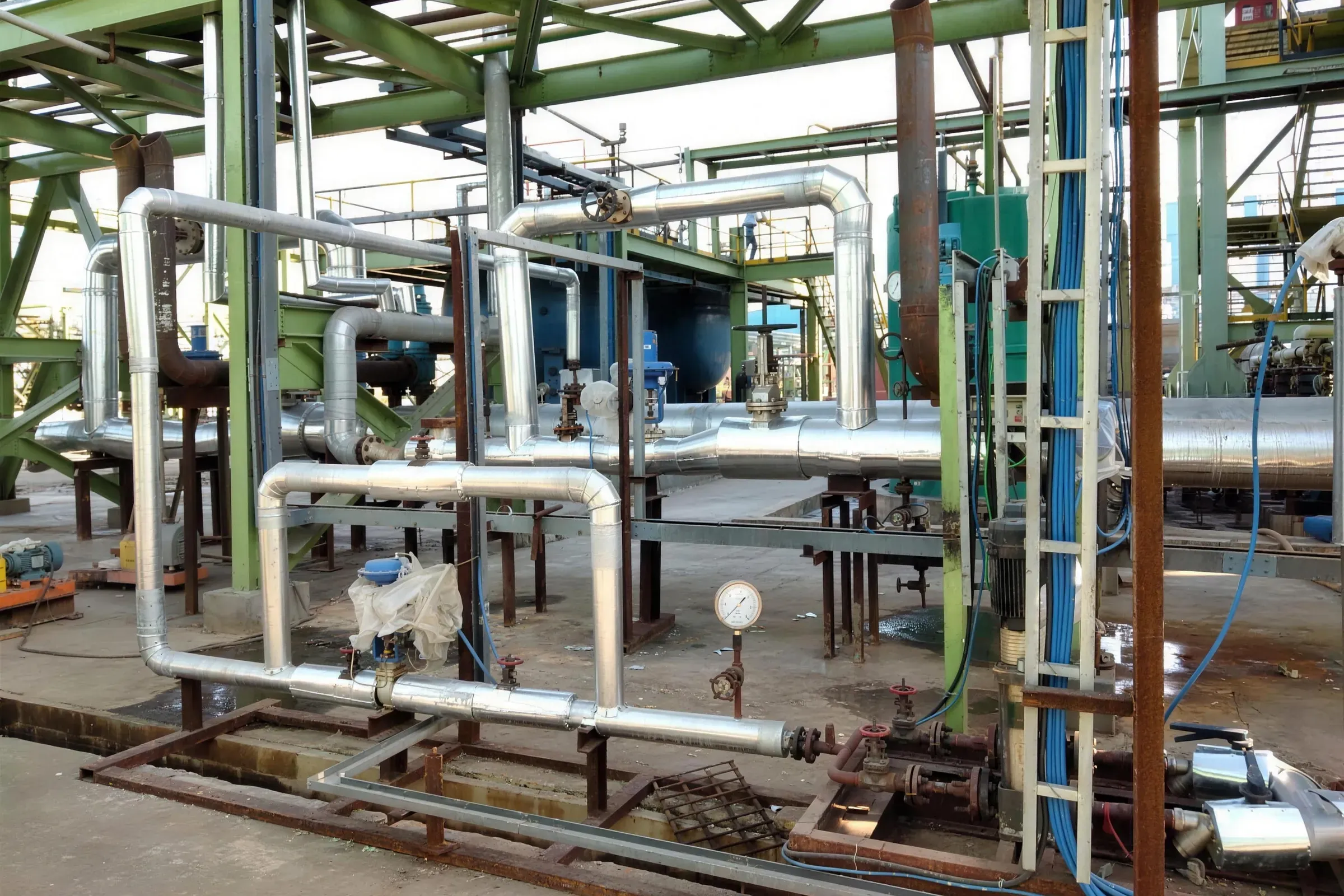
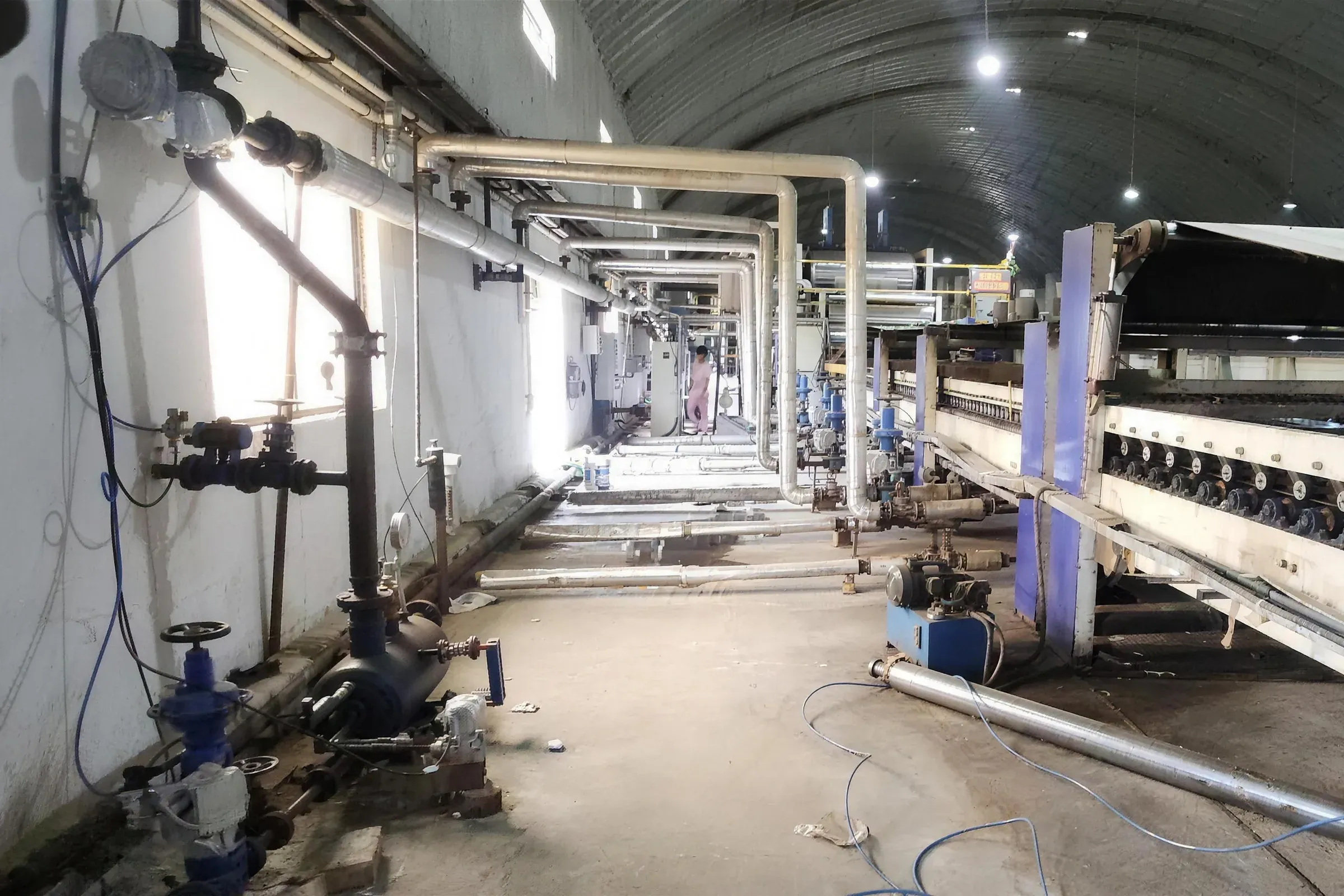
A P&ID shows how a plant was designed. It does not show the bypass left open, the feed tank running cold, or the batch that pulls far more steam than the average. Before we open a drawing, we read seven things on the plant itself, because each of them changes what the drawing should become.
This is not a list of losses. It is the order in which an engineer reads a steam system before deciding what to design, and what each reading decides.
1. The make-up meter and the fuel ledger
What we read: the boiler make-up water against the steam raised, and the fuel against the steam.
What it decides: make-up is roughly the condensate that does not come back, plus blowdown, plus leaks. One reading tells us how big the condensate and flash opportunity can be, and whether a recovery scheme is worth drawing at all. The fuel ledger tells us whether the plant’s own steam figures can be trusted as a baseline.
2. The feed tank: its temperature, and what heats it
What we read: the feed tank temperature, whether it is open or pressurised, and what keeps it warm: returned condensate, flash, or live steam.
What it decides: whether recovered heat has anywhere to go. A feed tank already near 100 °C cannot take much more, and the feed pump’s temperature limit sets its own ceiling. If the tank is warmed by live steam, raising its temperature saves nothing; it only moves boiler heat around. See feedwater and deaeration.
3. Every pressure-reducing station: in, out, and how much
What we read: the inlet and outlet pressure at each station, the pipe sizes, the flow through it at minimum and maximum load, and whether the bypass is open.
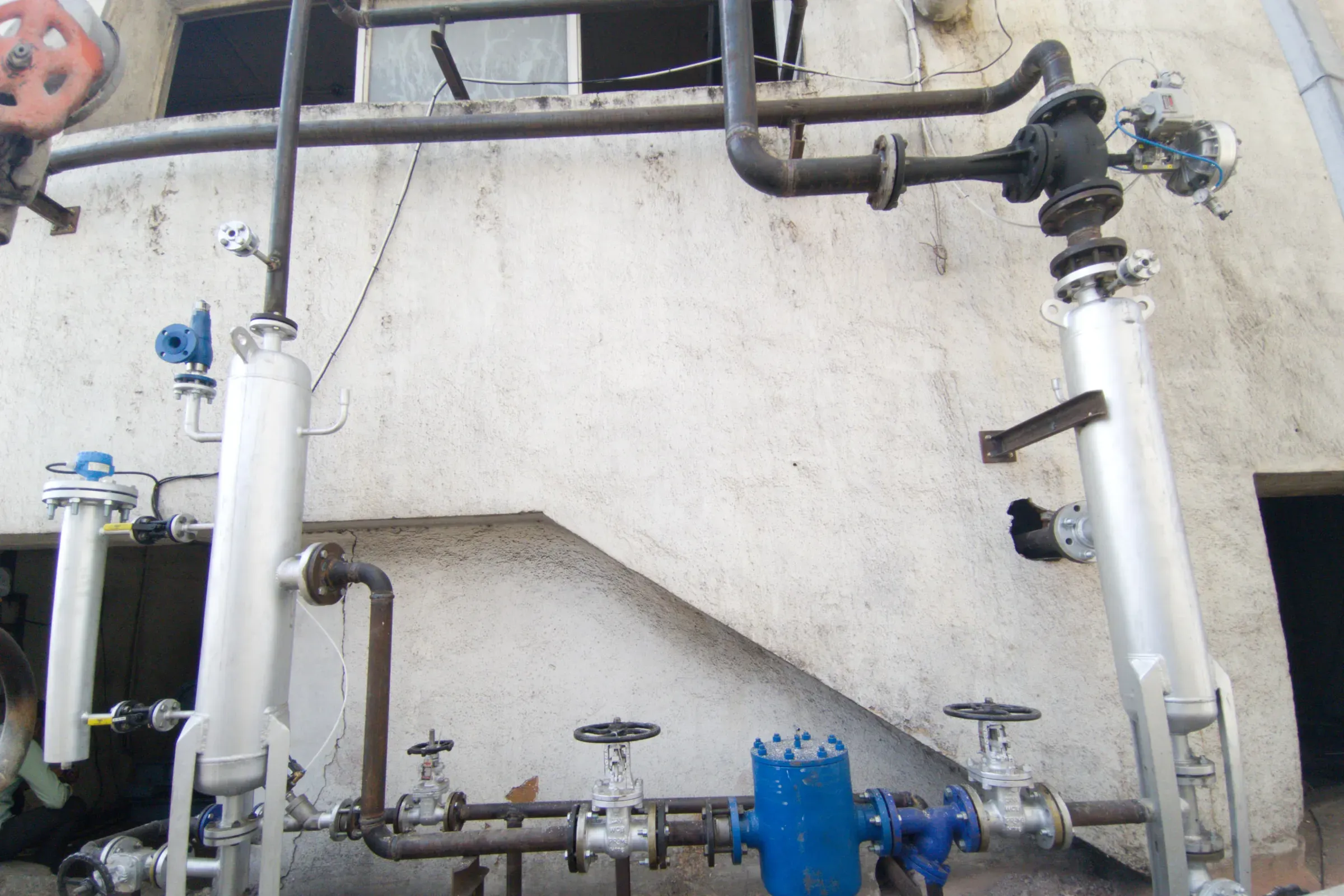
What it decides: a pressure-reducing station is where high-pressure steam gives up energy for nothing, and where a thermocompressor can use that energy instead. The pressures fix what a Jetomat can lift; the flows size it and its outlet pipe. Flow is the reading most often missing. A form that asks only for pressures and sizes leaves the most important number out. More on pressure-reducing stations.
4. The peaks, not the averages
What we read: how the load moves over a shift, and the biggest batch or start-up the system has to carry.
What it decides: equipment is sized on the peak, not the daily average. At one plant, the boiler burner’s nozzle was one size too small for the autoclaves’ peak, so the boiler ran out of capacity every time a cycle started, however well its controls responded. A variable nozzle follows the load between peaks; the peak still sets the size.
5. Where the condensate goes, and at what temperature
What we read: which users return condensate and which drain it, and the temperature it comes back at.
What it decides: what is really left to recover. If condensate is already returned through traps, the gain from a new scheme is the extra feed tank temperature it adds, not the whole heat of the condensate. Low-pressure condensate that comes back at 90 to 105 °C carries almost no flash. Flash is worked out from the pressure measured at the trap, never from boiler pressure. See condensate recovery.
6. The traps: tagged, tested, and their bypasses
What we read: how many traps, how they are tested, and how many have their bypass open.
What it decides: whether a user is draining properly today. The test method matters: a quick temperature check can call a trap tight that a leak test shows passing. Where plates, cylinders or platens flood behind their traps, the design question becomes drainage, not just recovery.
7. The motive steam, the delivery pressure, and the second user
What we read: the pressure of the steam available to drive a jet, the pressure the process needs, and who else on site could use low-pressure steam: a dryer, a header, a deaerator, a hot-water duty.
What it decides: this is the basis of every thermocompressor design. The gap between motive and delivery pressure sets how much low-pressure steam a Jetomat can lift; a user for that steam every hour decides whether it saves anything. The thermocompressors deep-dive explains motive, suction and discharge pressure.
Only then, the drawing
With these seven read, a drawing starts from the plant as it runs, not as it was designed. That is also why a result can be measured afterwards: the Rajkot corrugator was judged against a fuel-per-tonne baseline taken before anything changed.
What to send us
Most of this is already in your logs. Put it in the message box of our enquiry form:
- Boiler: type, capacity, pressure, fuel and its heat value.
- Feed tank: temperature, share of condensate returned, share of make-up.
- Steam users: each load in kg/h, its pressure, direct or indirect heating, condensate returned or drained.
- Pressure-reducing stations: inlet and outlet pressure, size, minimum and maximum flow, bypass open or shut.
- Twelve months of fuel and production figures, and a steam P&ID if you have one.
FAQ
Why not start from the drawings?
Because drawings show what was designed, not what runs. A bypass left open, a tank running cold or a load that peaks at twice the average never appears on a P&ID, and each one changes the design.
Can we send this information without a site visit?
Yes. Most of it is in your logs and on your gauges. The list at the end of this post is what to put in the message box of our enquiry form.
What if we do not meter steam?
Fuel bills, the make-up water meter and the boiler's own figures get a first answer. Metering helps to prove the result afterwards.