One Kilogram Through a Corrugator: Boiler to Hot Plate and Back
Follow one kilogram of steam from a corrugator's boiler to a hot plate and back, and sort each step: the ones that set line speed, and the ones that only burn fuel.
On this page
- The kilogram we follow
- Step 1: the reducing station. Fuel only, unless it starves the machine
- Step 2: the roll and the plate. The only step that sets line speed
- Step 3: the trap. Speed or fuel, depending on how it fails
- Step 4: the condensate tank. Fuel only
- Step 5: back to the boiler. Fuel only
- The ledger
- Spend a fuel-only loss on the speed problem
- Which list is your problem on?
- What we need from you
On a corrugator, line speed and the steam bill are decided in different places. Follow one kilogram of steam from the boiler to a hot plate and back, and every step falls into one of two lists: the steps that set how fast the line runs, and the steps that only set how much fuel it burns.
The two lists need different fixes. This walk continues the series that began with one kilogram through a tyre plant.
The kilogram we follow
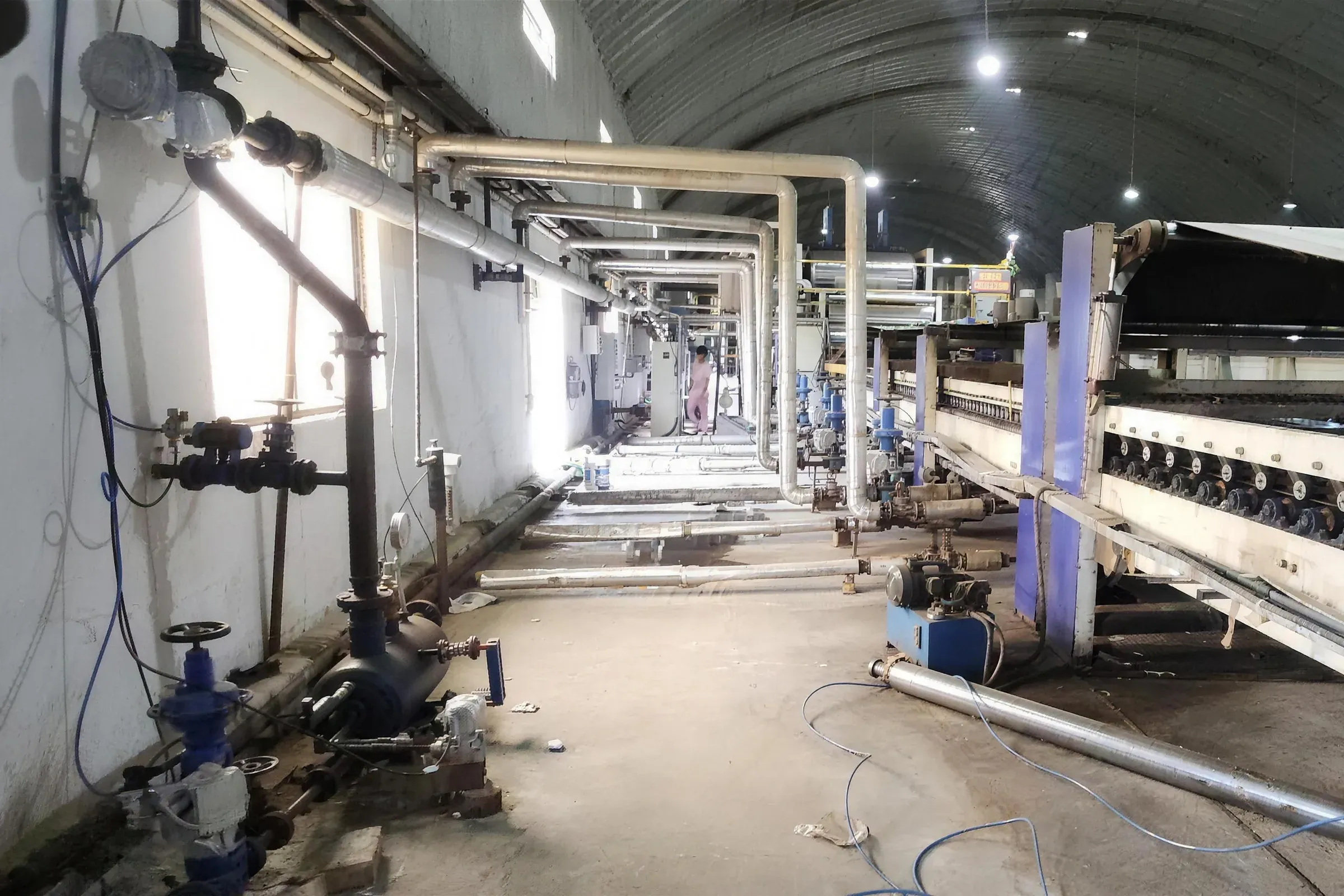
A typical Indian corrugator runs on a small solid-fuel boiler, 2 to 4 t/h at 11 to 14 bar g. Our kilogram leaves on a 13 bar g main, passes a pressure-reducing station down to 8 bar g, as on one Gujarat line, and heats a plate on the double backer. With make-up water at about 30 °C, the boiler puts about 636 kcal into it (steam tables).
Step 1: the reducing station. Fuel only, unless it starves the machine
The valve keeps the heat and throws away the pressure. The kilogram leaves it at about 181 °C with all its heat. That costs no speed and no heat; what is lost is pressure that could have done work.
The exception is a station that cannot keep up. “We need 10 to 11 bar g at the machine and get 6 to 8” is a real complaint from an audited plant. Then the station is on the speed list.
Step 2: the roll and the plate. The only step that sets line speed
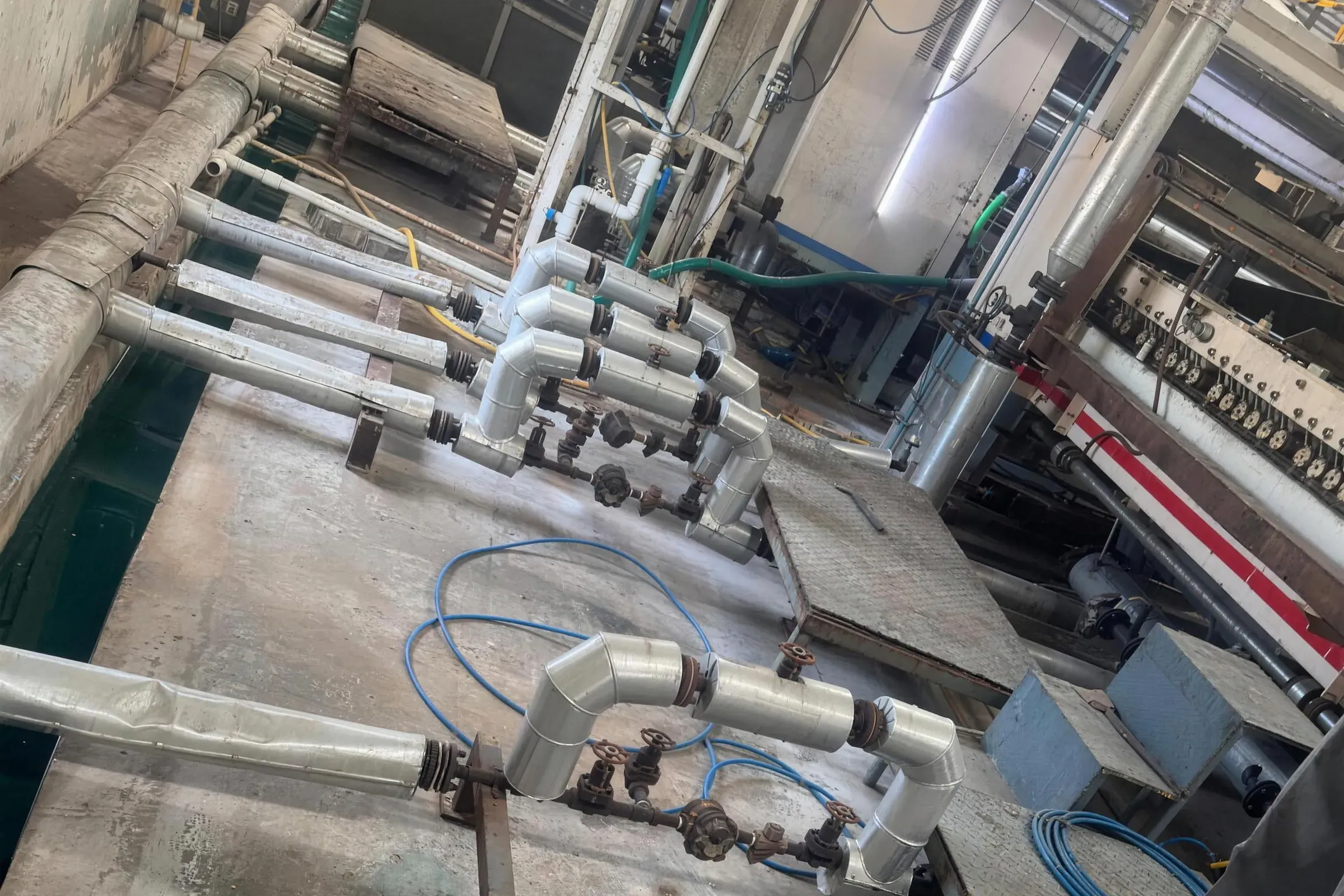
Here the kilogram condenses and gives up its latent heat: about 485 kcal at 8 bar g, three-quarters of what the boiler put in. It is the only part of the kilogram that ever reaches the board.
The board’s demands are tight. Liners want 75 to 80 °C, fluting medium 75 to 85 °C, and the glue line has to reach its gel point, about 57 to 65 °C, within seconds. Modern single facer rolls run at up to 190 °C on 14 to 16 bar g steam held within about ±0.3 bar, which at that pressure is about 1 °C. A double backer deck of 15 to 18 plates holds its zone setpoints inside an 8 °C band.
The line runs as fast as that heat can cross into the board. That rate is set by how clear the surface is, not by how much steam is sent to it. More steam into a flooded plate buys nothing. (The trap that sets the drying rate explains why the surfaces flood.)
Step 3: the trap. Speed or fuel, depending on how it fails
A trap that is slow or stuck shut holds water in the plate. The zone goes cold, the middle zones first, and the line slows or the board warps. That failure is on the speed list.
A trap that fails open sends live steam into the condensate line. A failed DN15 trap passes about 20 kg/h, about 14 tonnes of steam a month. That failure is on the fuel list, and in an unmanaged trap population 15 to 25 % of the traps have failed.
The bypass joins the two lists. A plate floods, the operator cracks the bypass, the speed comes back, and the problem moves to the fuel list for the rest of the shift.
Step 4: the condensate tank. Fuel only
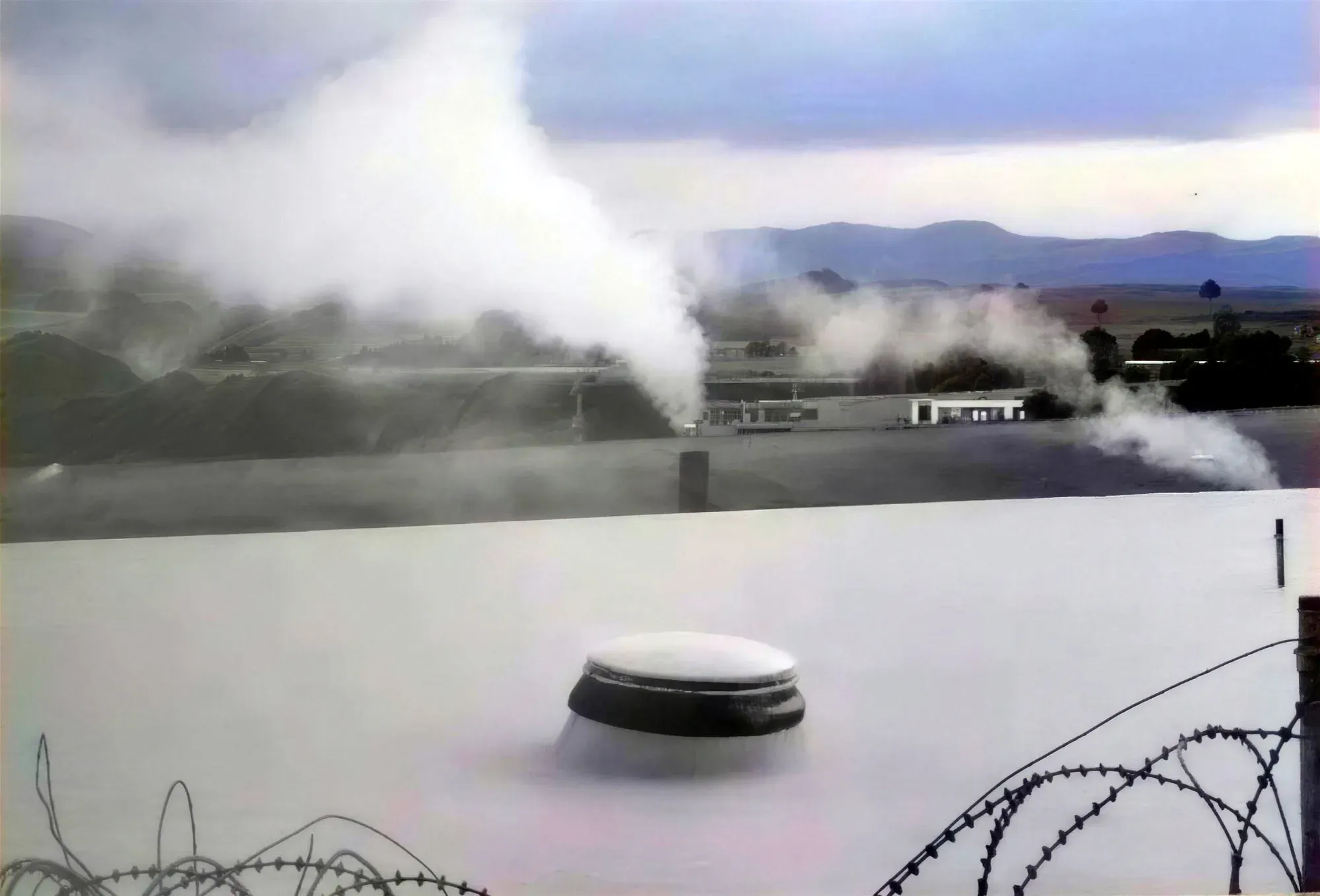
The condensate leaves the plate carrying about 147 kcal, nearly a quarter of the bill. At an open tank, 14.4 % of it flashes to steam, from the steam tables for 8 bar g to atmosphere. That flash carries about 87 kcal of the boiler’s 636 up the vent: about 14 % of the kilogram’s cost, in a plume over the tank. None of it affects line speed.
Step 5: back to the boiler. Fuel only
The water left in the tank reaches the feed tank at 100 °C with about 60 kcal. Every 6 °C of feed tank rise is about 1 % of fuel, so a cold feed tank is a fuel problem, never a speed problem.
The ledger
| Step | What happens to the kilogram | Sets line speed? | Costs fuel? |
|---|---|---|---|
| Reducing station | Pressure dropped from 13 to 8 bar g, heat kept | Only if it starves the machine | Yes: pressure that could have done work |
| Roll and plate | About 485 kcal given up to the board | Yes | No |
| Trap, slow or shut | Water held in the plate | Yes | Not until the bypass opens |
| Trap, passing | Live steam to the condensate line | No | Yes |
| Open tank | About 14 % flashes, about 87 kcal | No | Yes |
| Feed tank | About 60 kcal at 100 °C | No | Yes |
Spend a fuel-only loss on the speed problem
In the conventional scheme the only link between the two lists is the bypass, and it always trades fuel for speed.
A closed loop goes the other way. A variable-nozzle Jetomat takes the reducing station’s pressure drop, which was only ever on the fuel list, and uses it to pull steam and condensate through every roll and plate. The surfaces stay clear, which is the speed list. The flash that went up the tank vent becomes the jet’s suction, and the condensate returns to the boiler house hot, by its own pressure, with no pump.
At the Gujarat line, two loops serve the machine. The flute loop moves 1,476 kg/h of recovered vapour on 1,400 kg/h of motive steam; the hot-plate loop moves 945 kg/h on 1,200 kg/h. That circulation keeps the surfaces clear. The fuel saving is what the meter showed: 136 kg of wood per tonne of board before, 108 in the best month, and about 15 % less held over seven measured months (which number to plan on).
Which list is your problem on?
- The line slows at job changes and cold starts, but the pressure at the machine holds: the surfaces are holding condensate. Speed list.
- The pressure at the machine sags below what the rolls need: supply. Speed list.
- A plume over the condensate tank, bypasses open, high make-up water, but the line runs at speed: fuel list.
Either way, survey the traps and bypasses first. It costs a fraction of a loop and gives the baseline a loop is sized on.
What we need from you
Send us the steam pressure at the boiler and at the machine, the reducing station setting, the number of plates, zones and traps, where the condensate goes today, six months of fuel and board tonnages, and when the line slows down: at job changes, cold starts or all the time.
FAQ
Will more steam pressure make my line run faster?
Only if the rolls and plates are short of pressure. If the header holds but the line still slows at job changes and cold starts, the surfaces are holding condensate, and more steam into a flooded plate buys nothing.
Does the zone control on the double backer have to go?
No. At the Gujarat line the zone temperature control valves stayed. The closed loop took over from the pressure-reducing station and the plate traps.
Do we need a condensate pump to bring the condensate back?
Not with a closed loop. At the Gujarat line the condensate returns to the boiler house hot, by its own pressure, with no pump in the scheme.