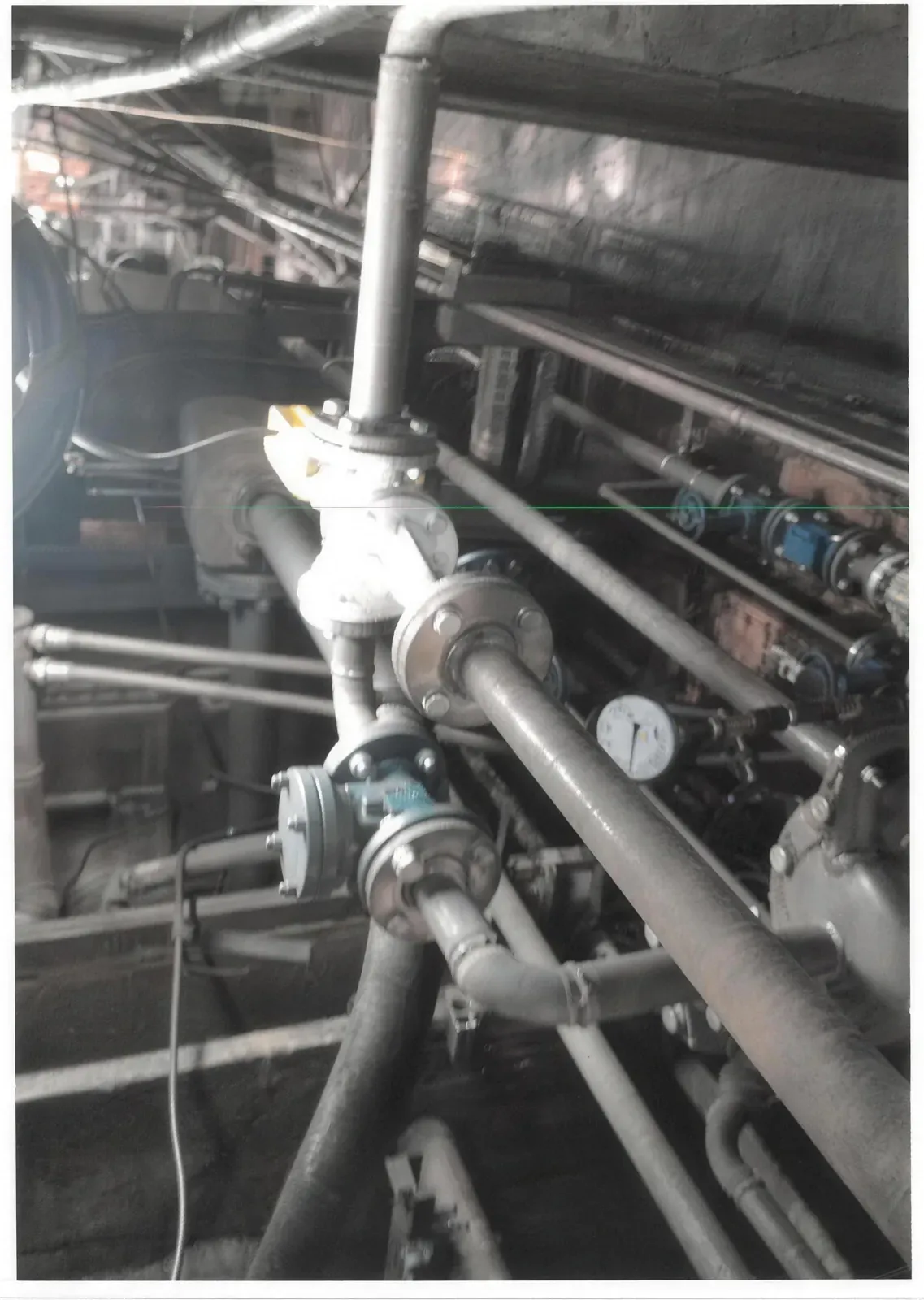
Original situation
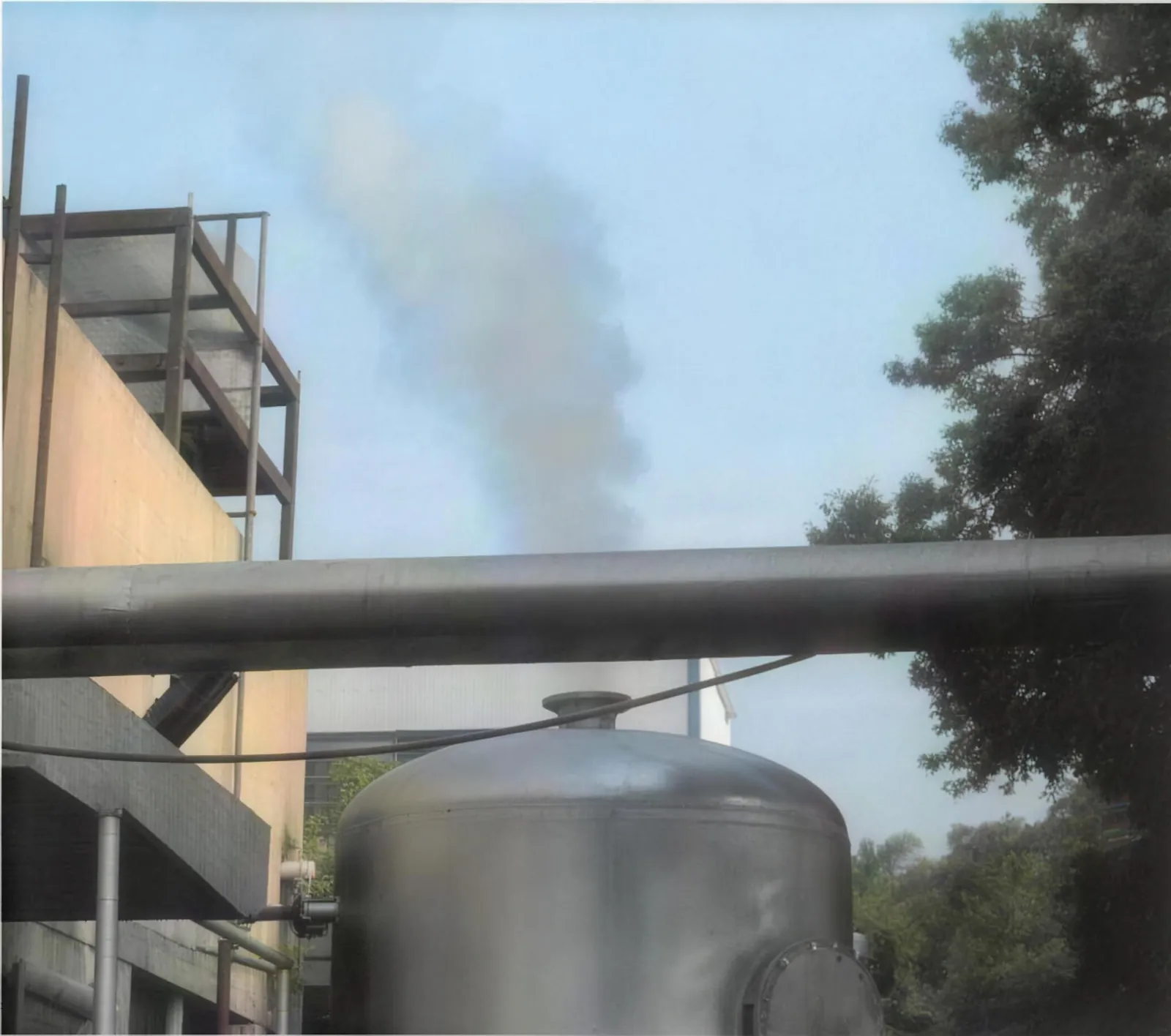
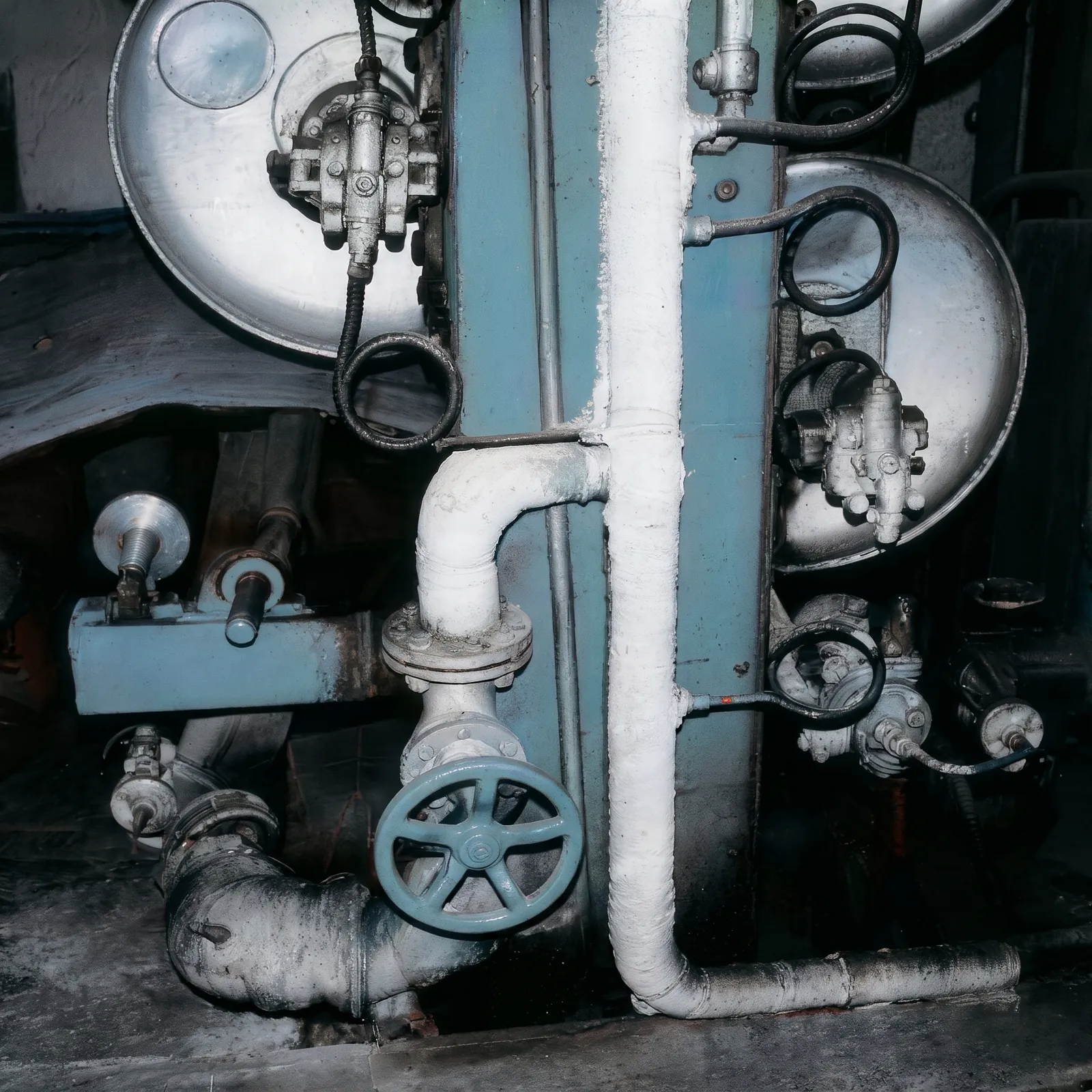
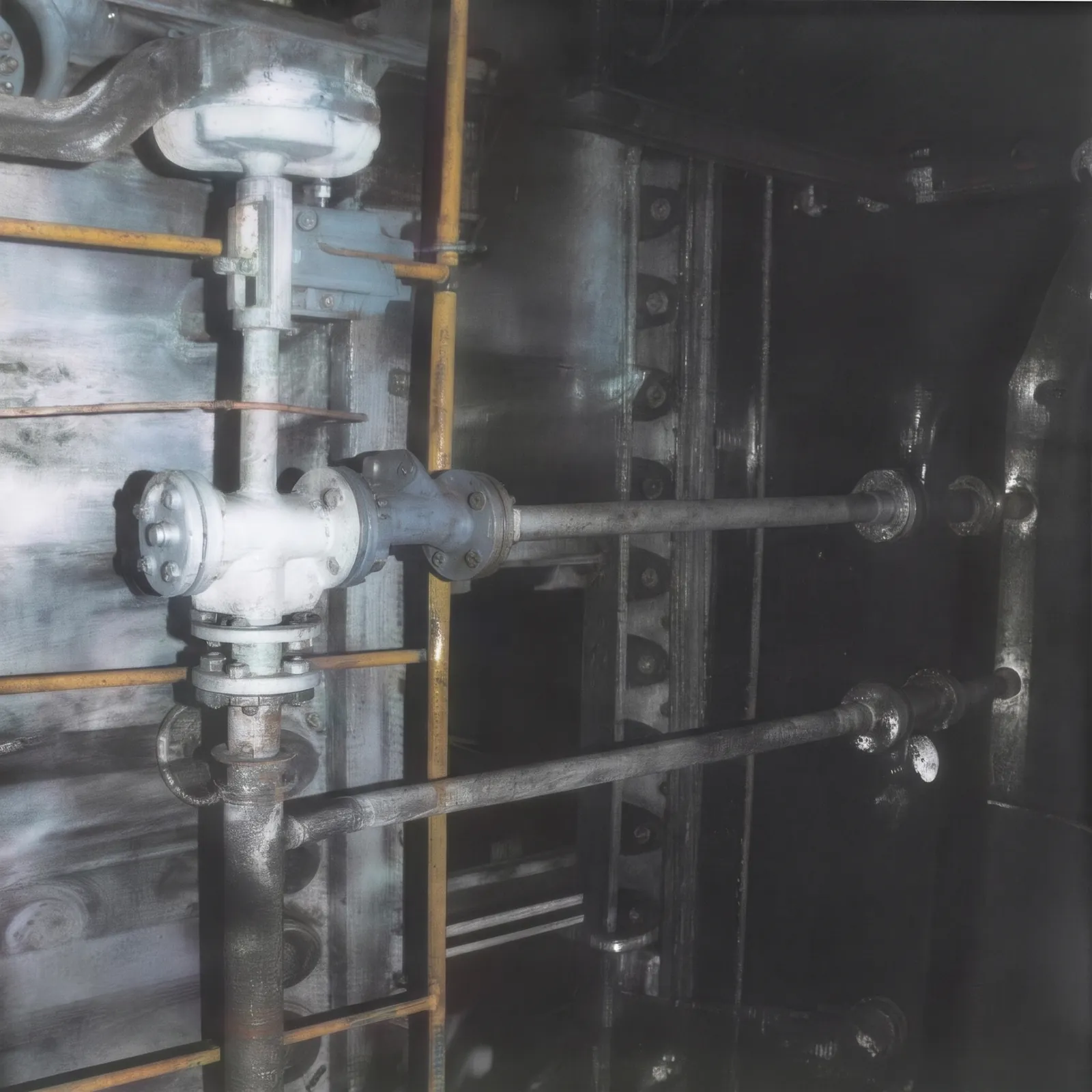
The plant’s steam users were 8 bladder curing presses, 4 heating chambers (ovens at 150–160 °C) and a drum dryer. Each machine had its own control valve and steam trap. The condensate went to an open tank, and its flash steam left as a visible plume.
Technical enhancement
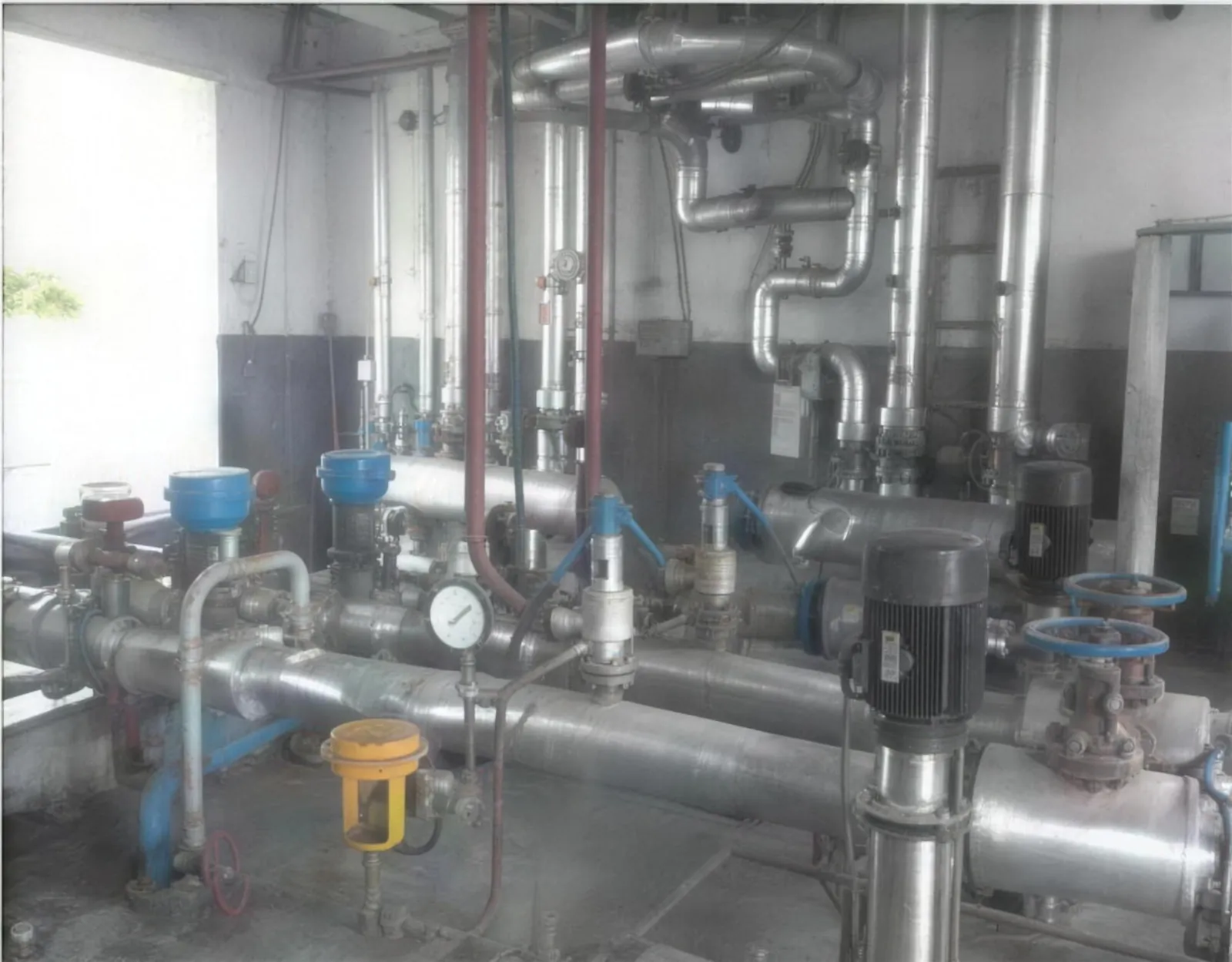
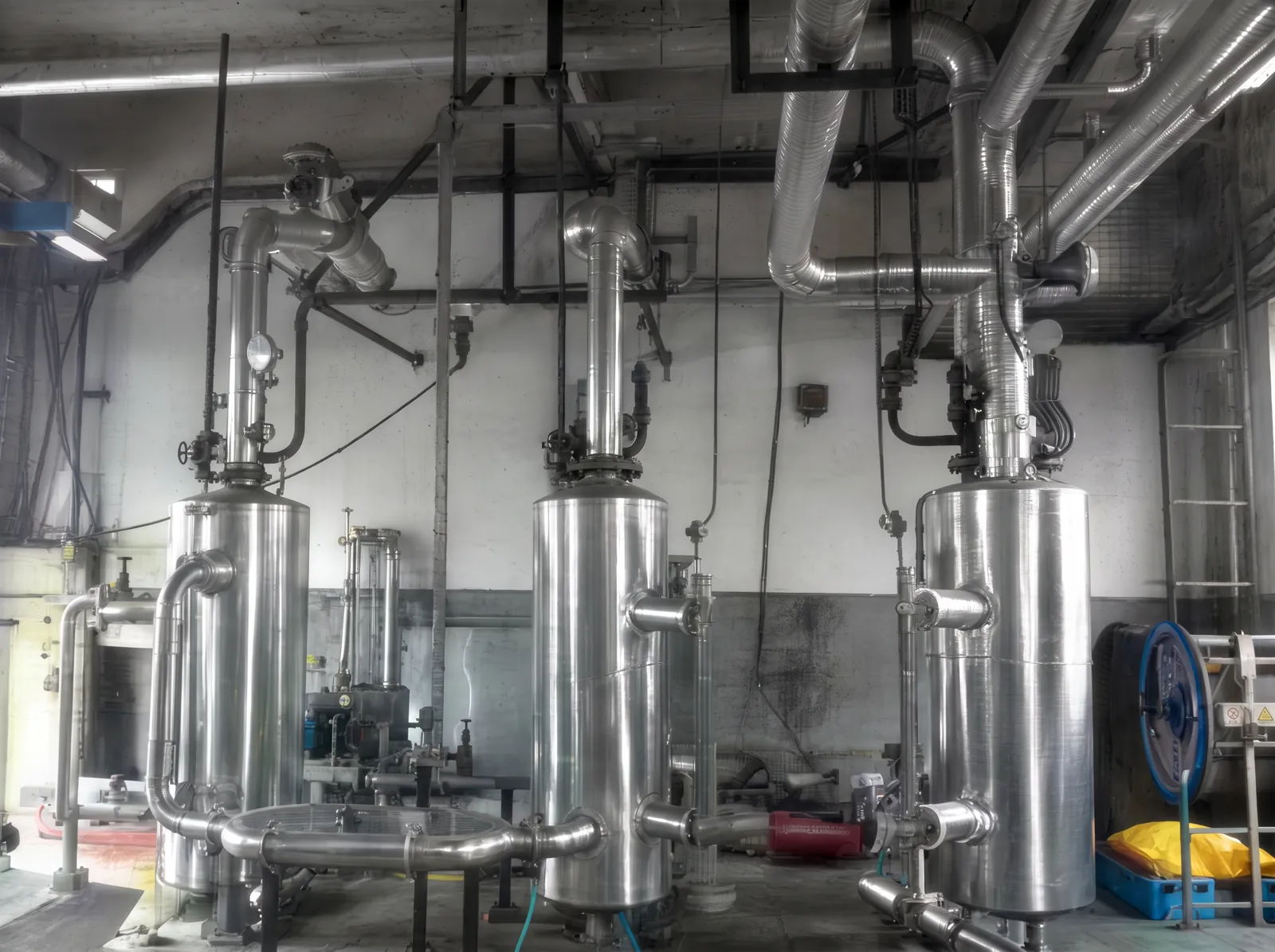
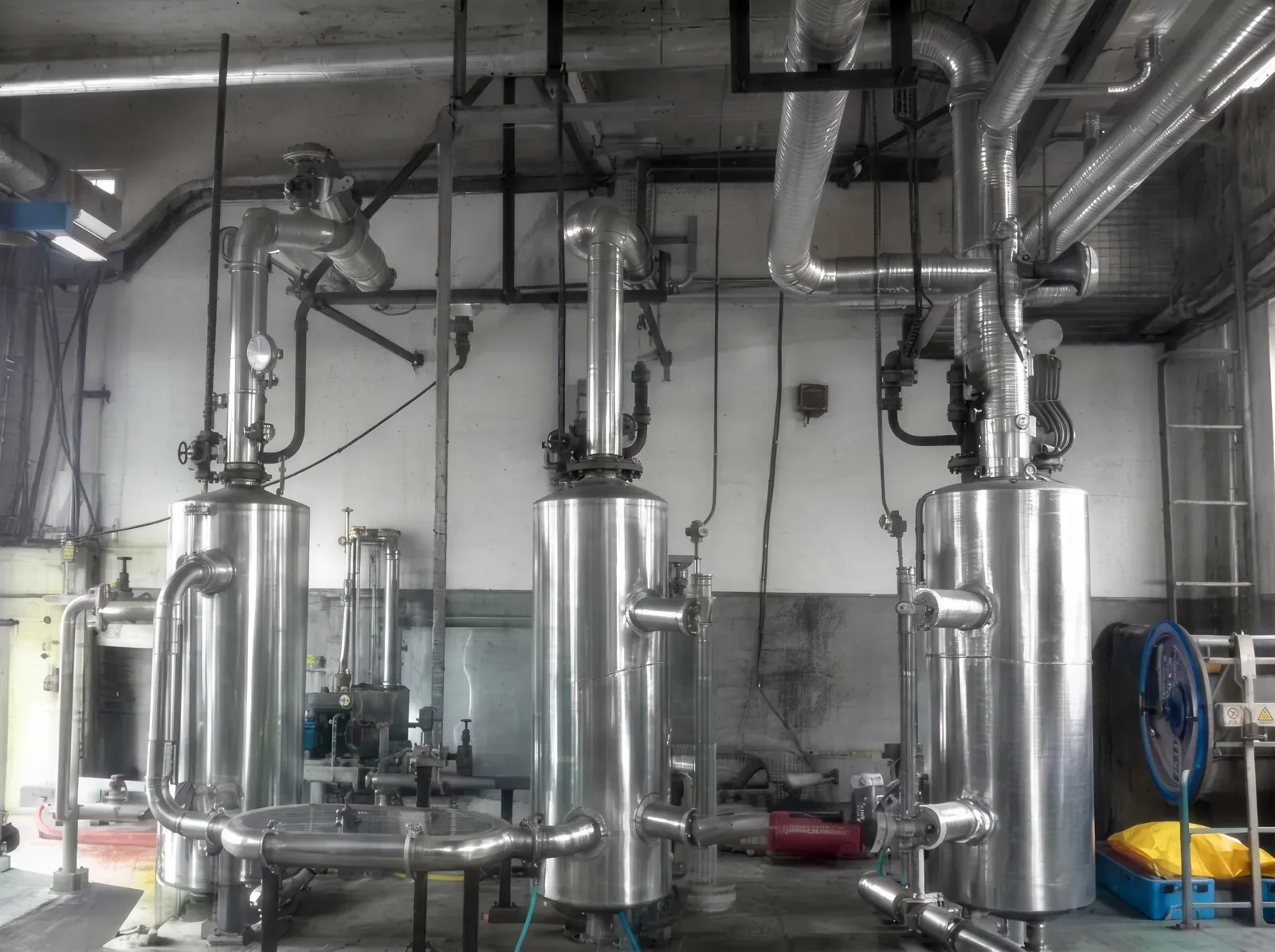
- A Jetomat® (Baelz 590) on the 23 bar g steam main now supplies the machines and recirculates their steam: it draws the return at 16 bar g and delivers the mix at 17 bar g.
- The steam traps at the machines are gone. The machines drain freely into the recirculation loop.
- Condensate and flash are recovered in a cascade: a second vessel gives 3–6 bar g low-pressure steam for preheating, and a third vessel, at about 1 bar g, supplies the showers and the canteen.
The result
| Before | After | |
|---|---|---|
| Steam consumption | 13 t/h | 10 t/h (−23%) |
| Supply pressure | 18 bar g | 16 bar g (−11%) |
| Supply temperature | 207 °C | 198 °C |
- About Rs 35 lakh a year saved, from the recycled flash steam and condensate and the higher production
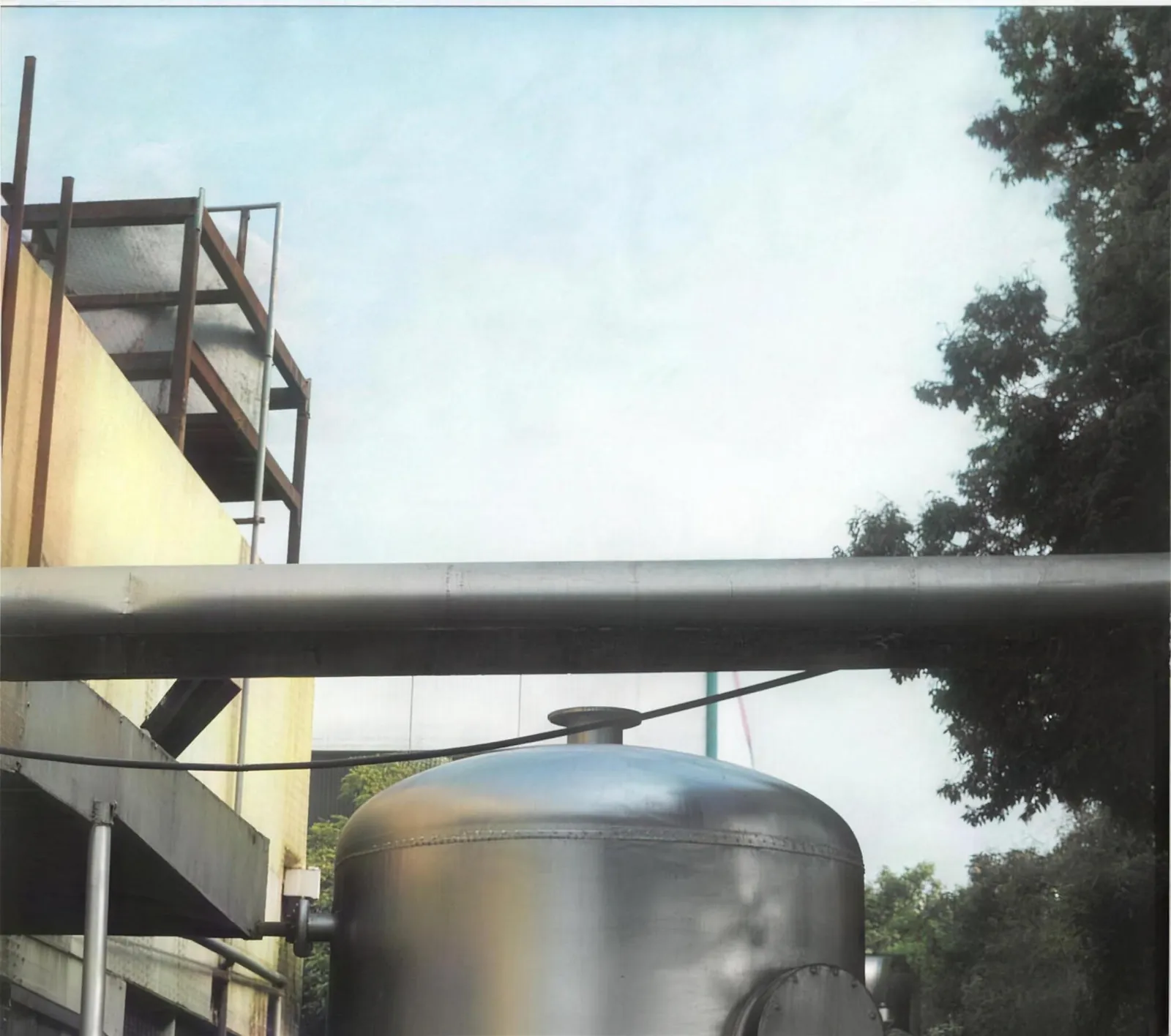
- No plume at the condensate tank
- Fewer traps to buy, check and replace
- A higher surface temperature on the drum dryer at the lower supply pressure
Why it works
The variable-nozzle Jetomat uses the pressure of the main to pull the steam back out of the presses, chambers and dryer, so each machine drains at speed and heats evenly at a lower supply pressure. What is left flashes down a cascade of vessels, each feeding a lower-pressure user, so very little heat leaves the plant.
Takeaway
A tyre plant has many steam users at different pressures. One Jetomat on the main and a condensate cascade turn that into one closed system: less steam, lower pressure, no plume.