Original situation
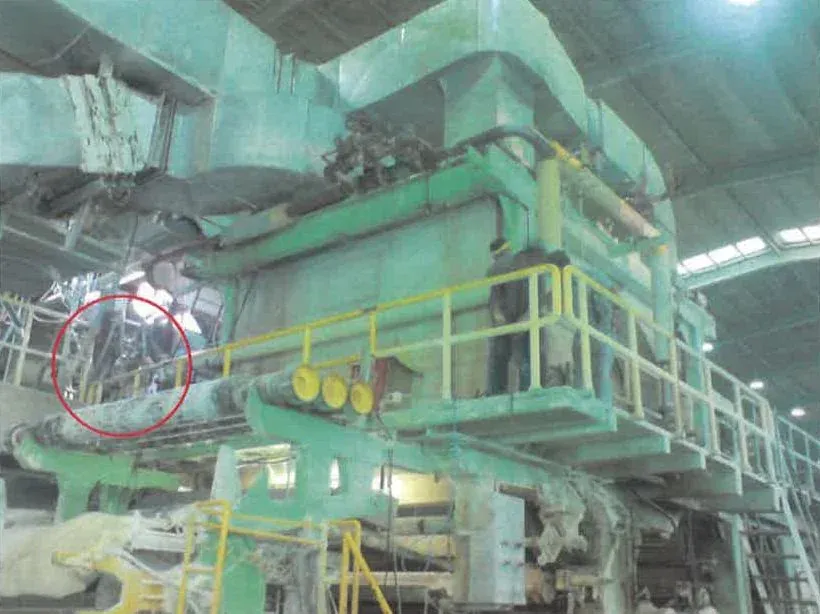
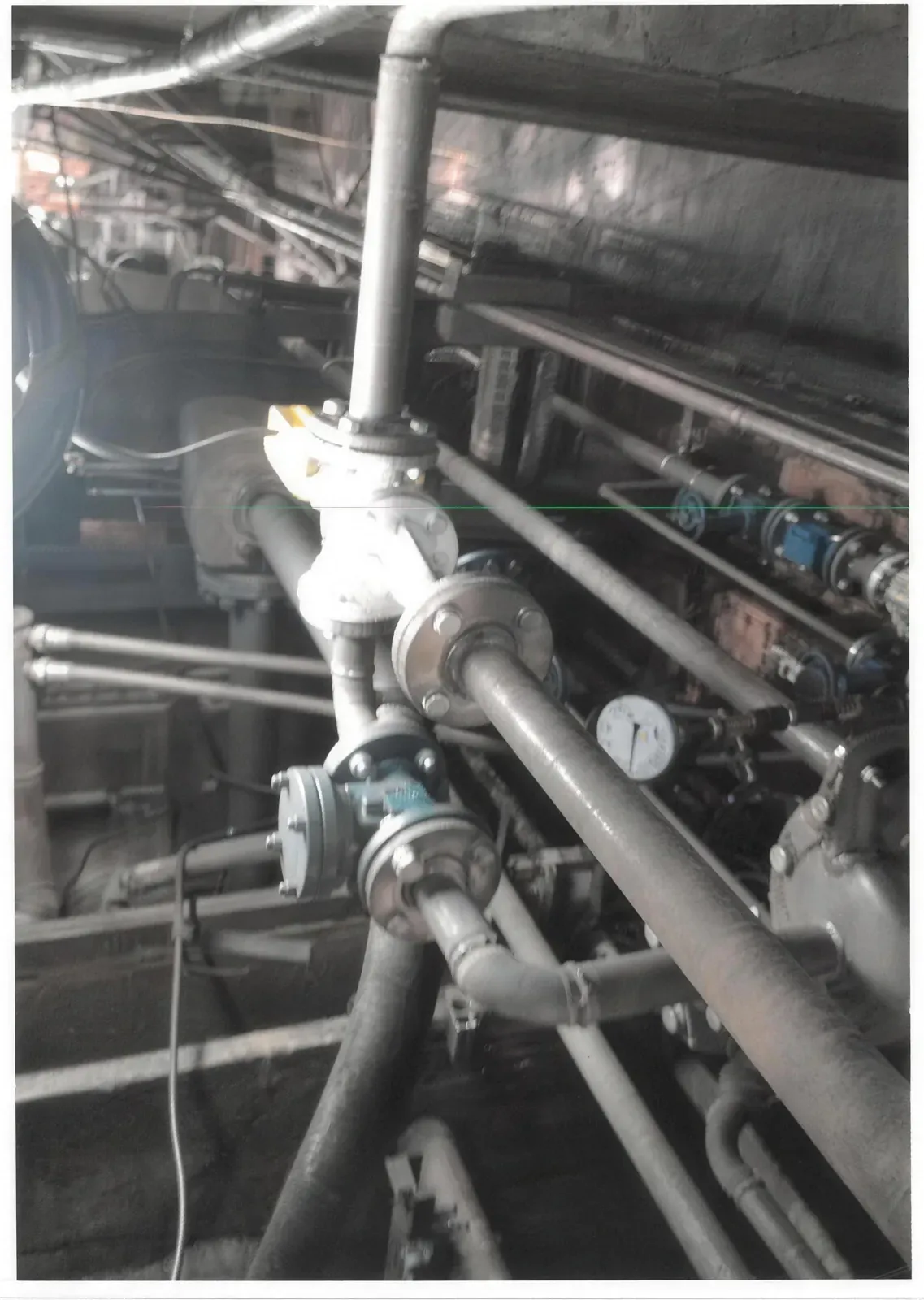
The press is 10 m long with two heated platens, supplied with steam at 11 bar g through a pressure-reducing valve and a motorised control valve. Each platen drained through its own steam trap, so condensate lingered along the length of the platens.
Technical enhancement
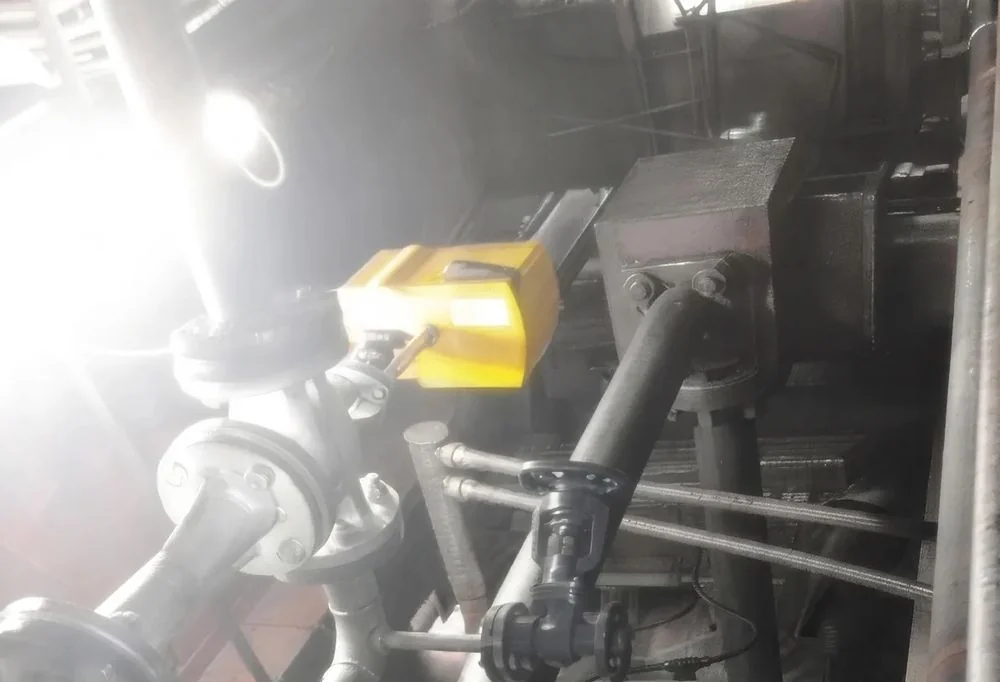
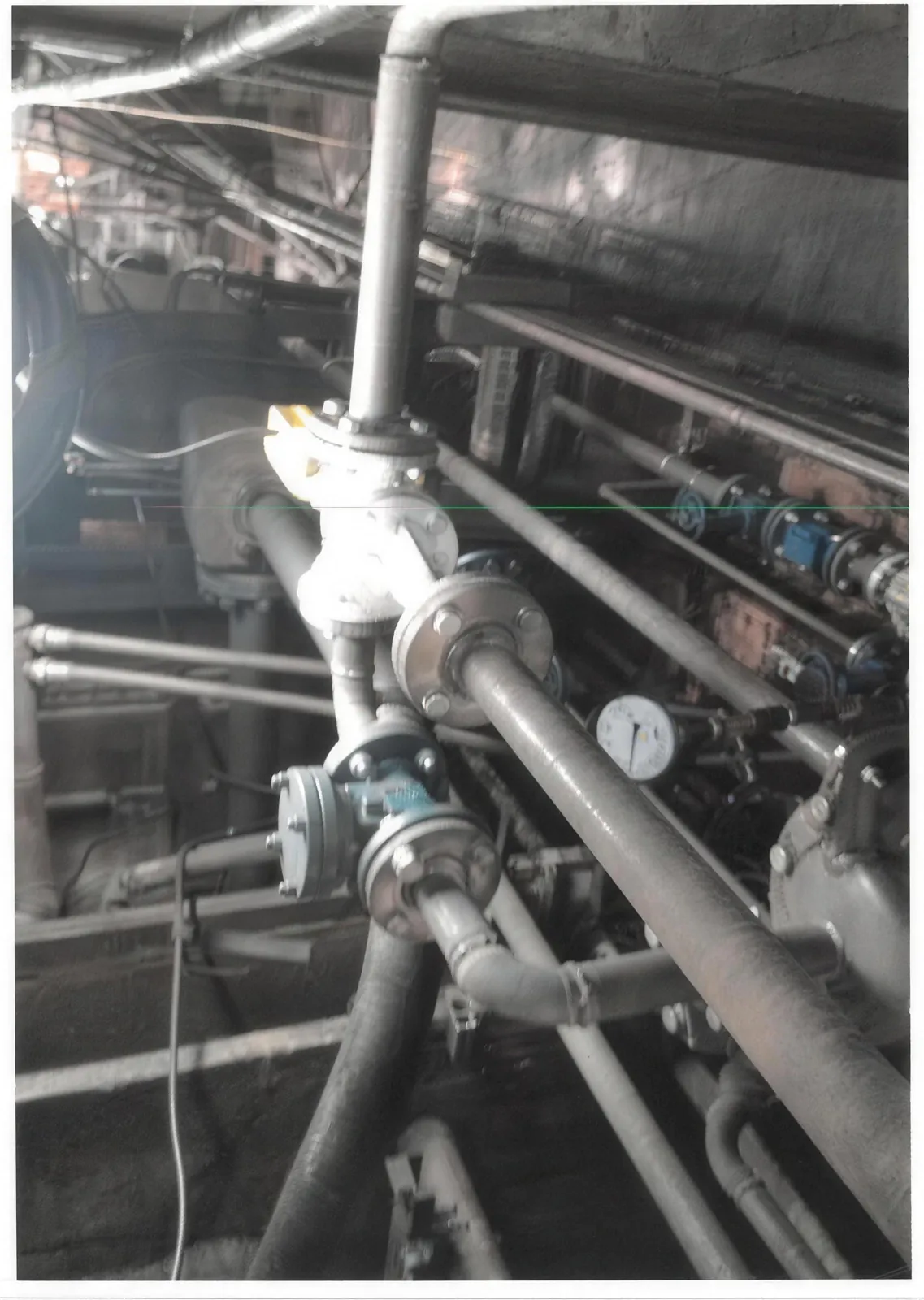
- One motorised Jetomat® (Baelz 590, DN 50) replaced the pressure-reducing valve and the control valve, and holds the platen pressure.
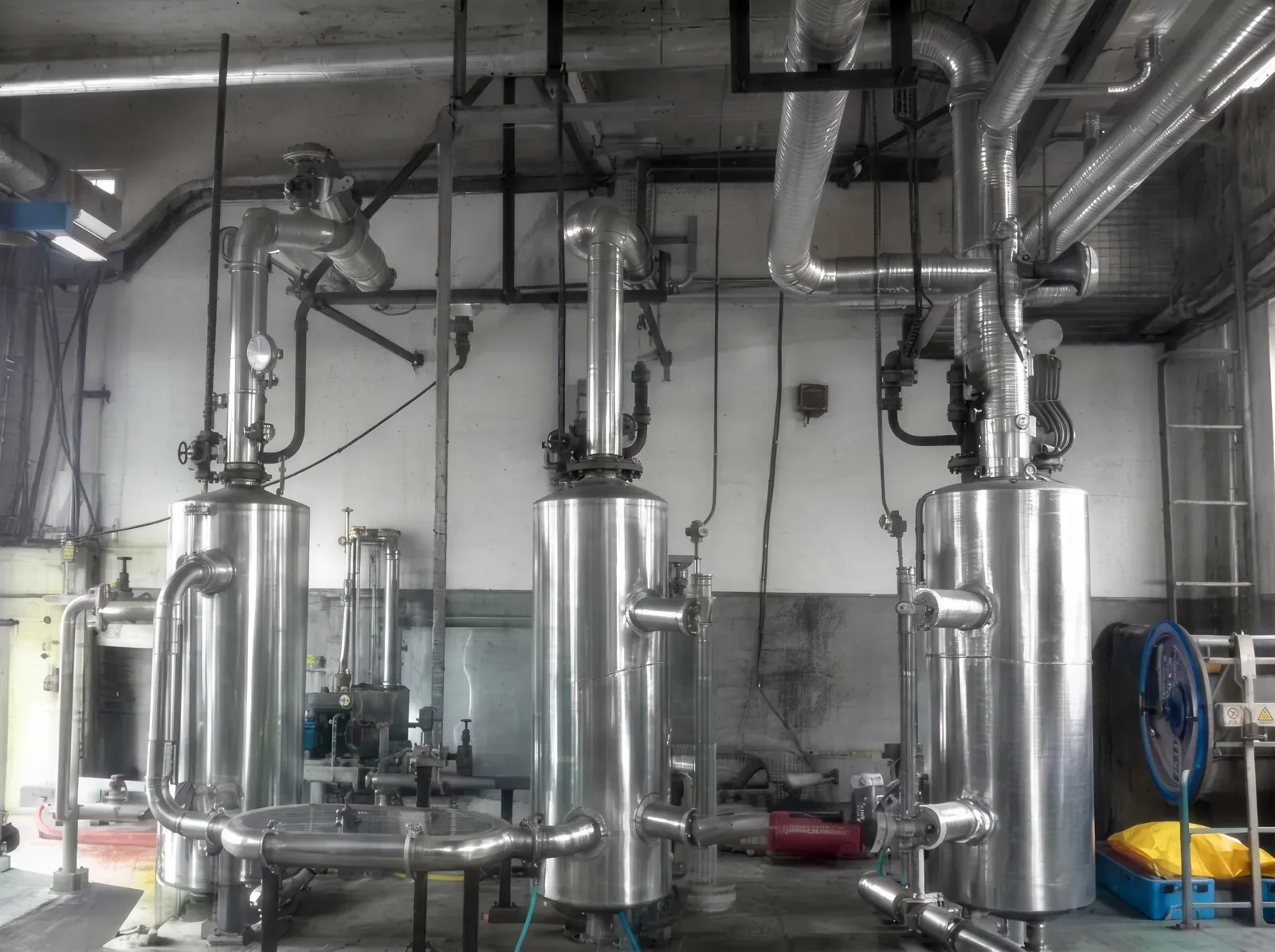
- The platens now drain untrapped into a separator. The separator’s vapour is the Jetomat’s suction, so the platens’ own steam is recirculated.
- One trap remains, on the separator’s condensate outlet.
The result
- 40–50% less steam, depending on the rubber grade, as reported by the customer from steam and condensate flowmeters
- Better rubber quality, confirmed by the customer’s product analysis a week later
- One trap instead of a trap on every platen
Why it works
On a long platen, condensate that a trap holds back cools the far end and slows the heat into the rubber. The Jetomat keeps steam moving through the full length of both platens and clears the condensate as it forms, so the platens heat evenly at the set pressure and less fresh steam is needed.
Takeaway
Long platens and multi-daylight presses gain most from recirculation: one Jetomat and one separator replace the reducing station, the control valve and a trap per platen.