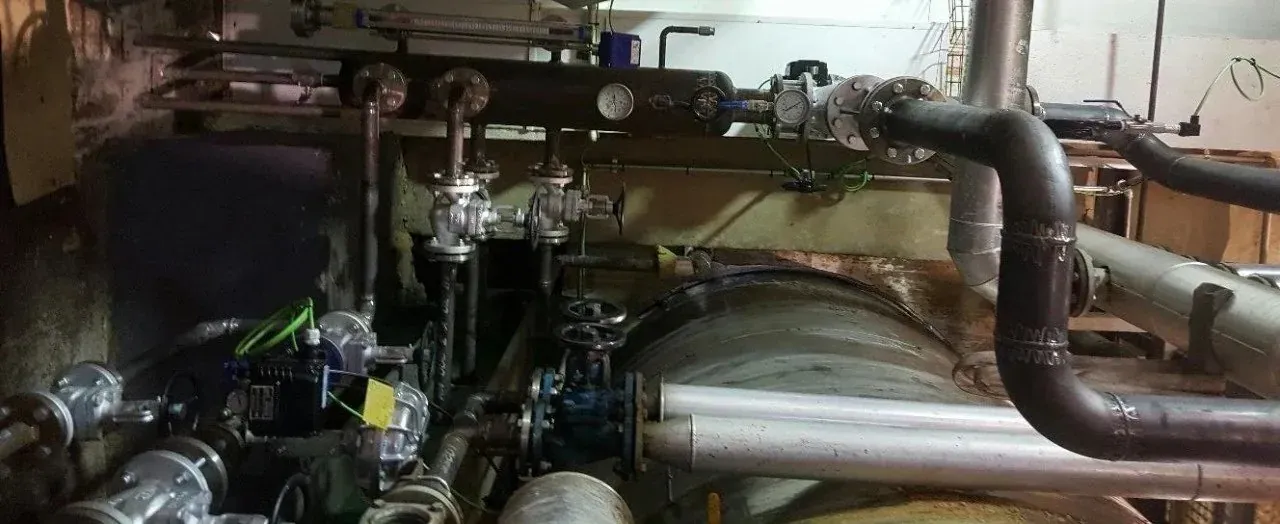
Original situation
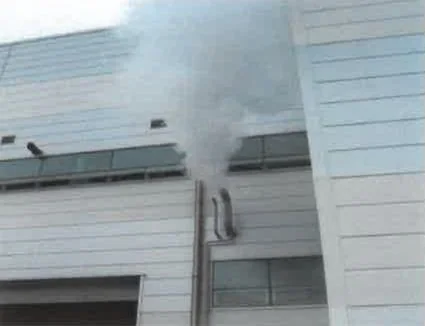
Main steam fed a steam-heated sludge dryer (body and rotor shaft) through a valve. Its two condensate outlets drained through steam traps, one with its bypass valve open, into a condensate tank, and the flash steam left the tank vent as a visible plume. The plant dries 73 t of sludge a day on steam raised with LNG.
Technical enhancement
- A Jetomat® (Baelz 590) on the main steam supply now feeds the dryer.
- The steam traps came out: both outlets drain straight to the condensate tank.
- The tank’s flash steam is the Jetomat’s suction, so it goes back into the dryer instead of up the vent.
The result
| Before (≈3-month average) | After (test week) | |
|---|---|---|
| LNG per tonne of sludge | 106.5 m³ | 76.4 m³ (−28.3%) |
- Test week, 1 to 7 October: 510 t of sludge dried on 38,949 m³ of LNG
- About Rs 2.2 crore a year, as calculated by the plant on 73 t a day and 192 operating days
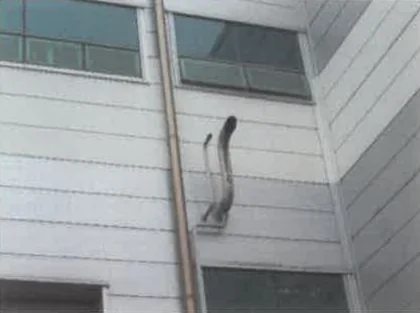
- The plume at the condensate tank is gone
Why it works
With a trap on each outlet, and one trap’s bypass open, the dryer either held condensate back or passed live steam straight to the tank. The Jetomat keeps steam moving through the dryer at a steady rate and sweeps the condensate out; the flash steam that forms in the tank is drawn back and returned to the dryer. More of each kilogram of steam does its work inside the dryer.
Takeaway
An open bypass on a trap is a common quick fix that wastes live steam. A Jetomat removes the need for it: the dryer drains freely and the tank’s steam comes back.